Single Origin vs Blend Coffee: Which Should You Buy?
On this page
- What “Single Origin” Actually Means
- What “Blend” Actually Means
- Single Origin vs Blend: The Side-by-Side
- Flavor Clarity vs Balance: What You’re Really Choosing
- Espresso Is Where Blends Earn Their Keep
- Traceability: How Much Do You Actually Get to Know?
- Price: What You’re Paying For
- So Which Should You Buy? A Quick Decision Guide
- Common Mistakes to Avoid
- Frequently Asked Questions
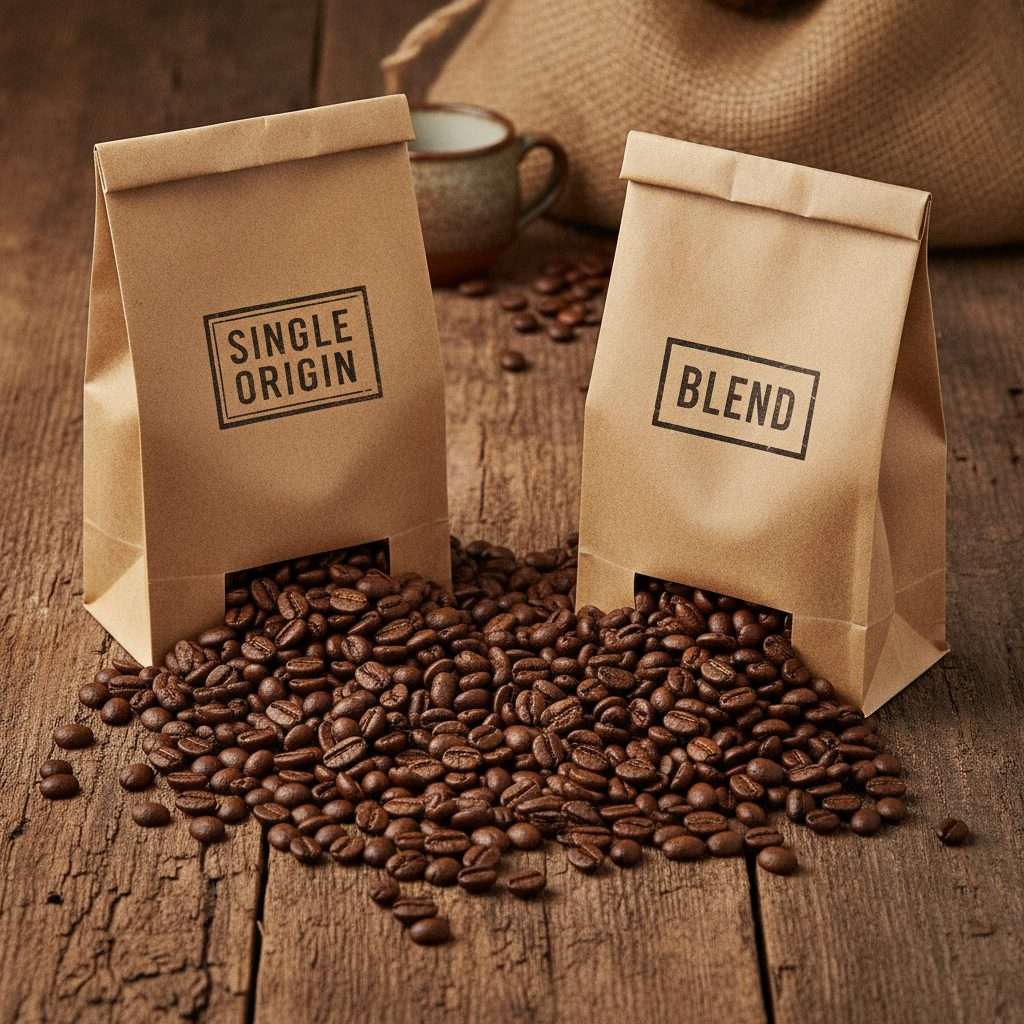
You’re standing in front of two bags. One says “Ethiopia Yirgacheffe, Washed, 1,950 masl” like it’s reading you its passport. The other just says “House Blend, smooth & balanced” with a little drawing of a mountain. One isn’t fancier than the other. They’re built for different jobs, and the bag that disappoints you is almost always the one that didn’t match how you actually drink coffee.
So let’s settle this. By the end you’ll know exactly what each term means, when clarity beats consistency (and when it doesn’t), why your espresso machine has opinions about this, what you’re really paying for, and which bag belongs in your cart this week. No coffee-snob gatekeeping. Just the honest version.
What “Single Origin” Actually Means
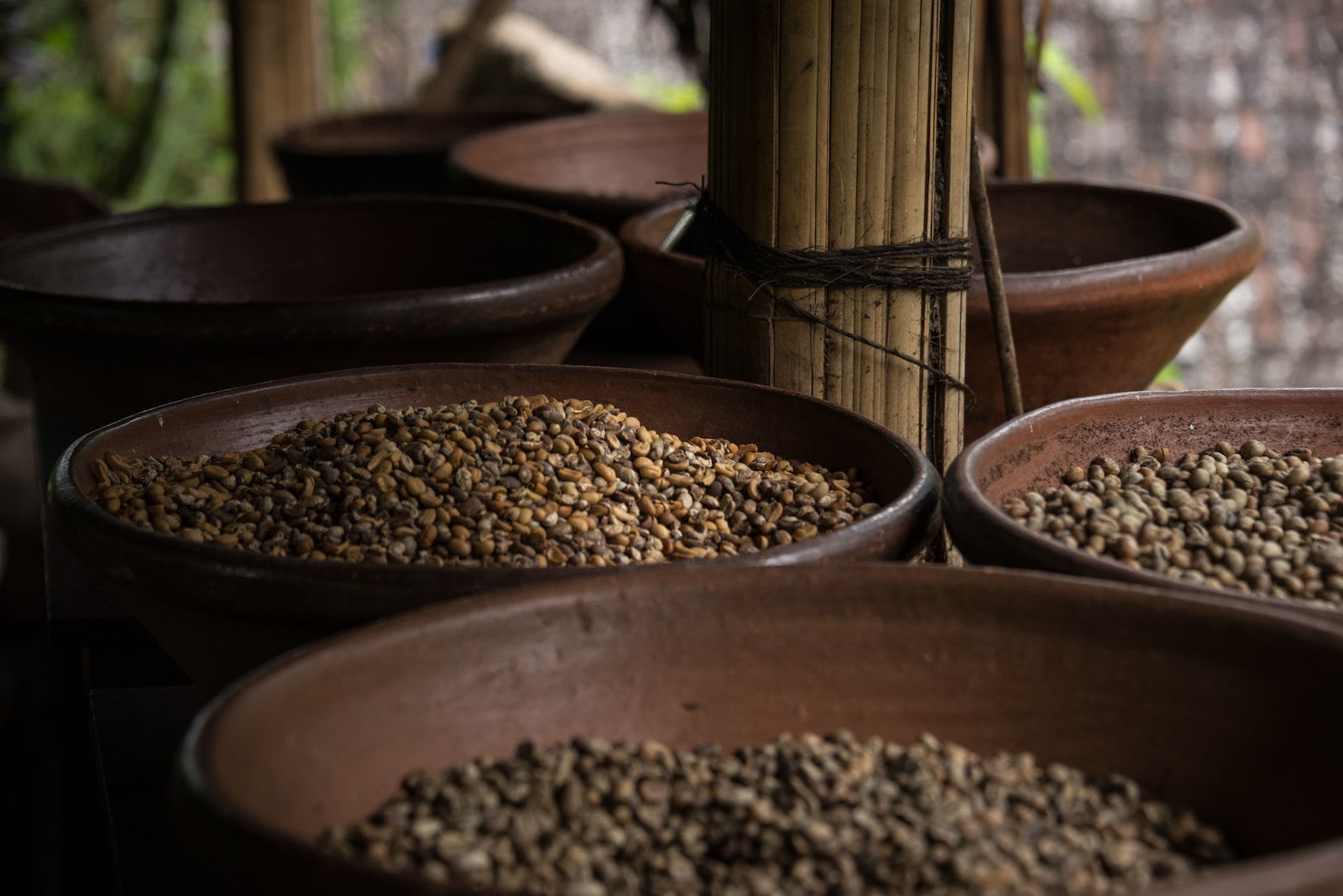
Single origin means the coffee comes from one defined source. How defined? It’s a sliding scale. At its loosest, “single origin” means one country (think “Colombia”). Tighter, it means one region, one cooperative, or one farm. At its most precise, it’s a single lot of one varietal, grown at one altitude, processed one way, picked in one harvest. That last version is the one that reads like a passport.
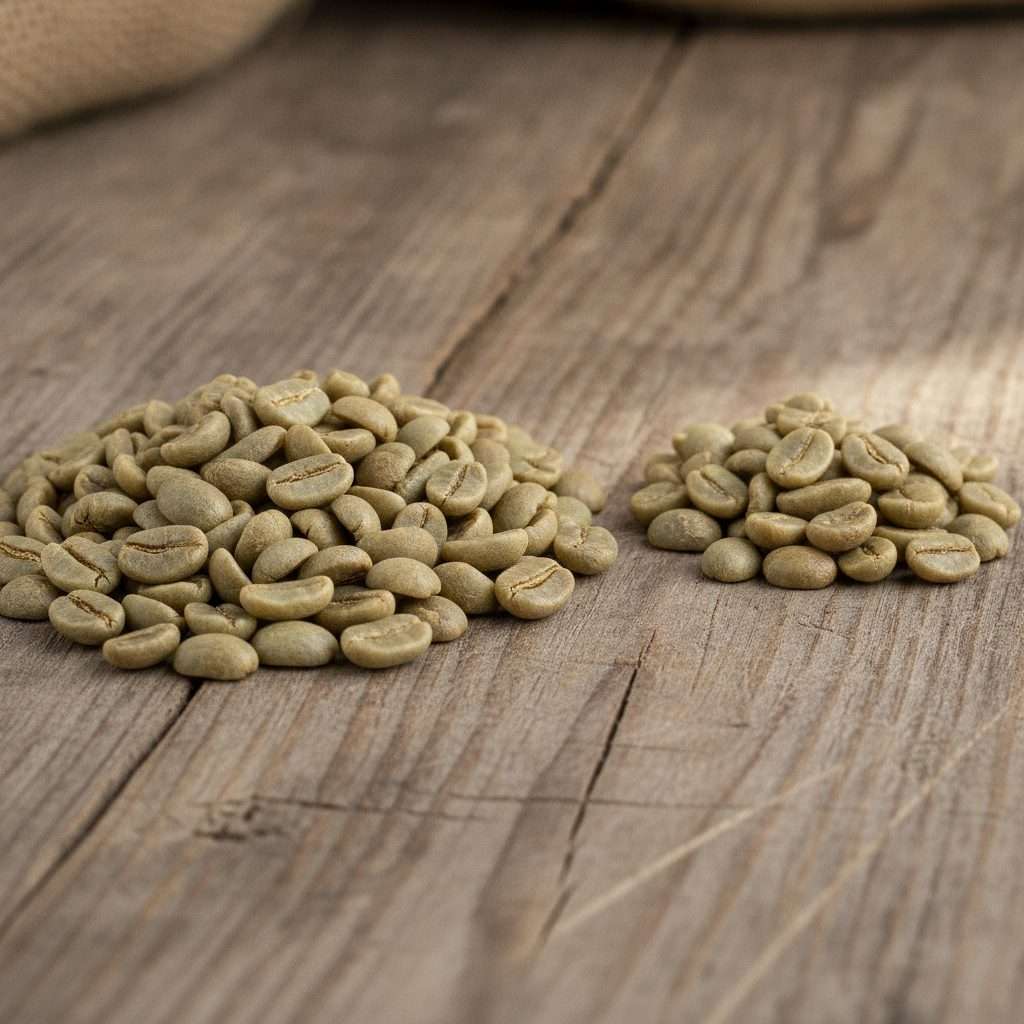
The whole point is transparency and character. Because nothing’s been blended in to smooth out the edges, you taste the place. A washed Ethiopian tastes like jasmine and lemon. A natural-process Brazilian tastes like peanut butter and dark chocolate. Same plant, wildly different cup, and single origin lets each one stand there unbothered. If you want to understand why those flavors show up, our breakdown of the factors that shape coffee bean flavor connects altitude and processing to what’s in your mug.
The catch nobody puts on the bag: single origin is seasonal and agricultural. Coffee is a crop. This year’s Yirgacheffe will not taste identical to last year’s, because the weather refused to file paperwork. That’s part of the fun, but it means your favorite bag is a moving target.
What “Blend” Actually Means
A blend combines beans from multiple origins (sometimes different countries, sometimes different continents) into one deliberate flavor profile. A roaster is essentially a chef here: a little Brazilian for body and chocolate, some Colombian or Central American for balance and a touch of brightness, maybe a whisper of an African coffee for aroma and complexity. The goal is a cup that’s bigger than the sum of its beans.
Blends exist to do two things single origins struggle with: balance and consistency. Because the roaster can swap components as harvests rotate, a good house blend tastes basically the same in January and July. That reliability is genuinely valuable, especially if coffee is your daily 6 a.m. ritual and not a tasting flight.
One myth to bury: “blend” does not mean “low quality.” Plenty of leftover-bean junk gets blended, sure. But the best espresso on earth is mostly blends, intentionally composed. Cheap is cheap; blended is a strategy. Don’t confuse the two.
Single Origin vs Blend: The Side-by-Side
Here’s the whole argument on one screen.
| Factor | Single Origin | Blend |
|---|---|---|
| Flavor goal | Clarity & distinct character | Balance & complexity |
| Typical notes | Bright, floral, fruity, tea-like | Chocolate, caramel, nutty, smooth |
| Consistency | Changes by harvest/season | Steady year-round |
| Traceability | High (farm, altitude, process often listed) | Lower (general origins at best) |
| Best for | Pour over, filter, black coffee, exploring | Espresso, milk drinks, everyday autopilot |
| Forgiveness | Less (flaws show) | More (built to be balanced) |
| Price tendency | Often higher, especially micro-lots | Wide range; often better value |
Flavor Clarity vs Balance: What You’re Really Choosing
This is the heart of it. Single origin chases clarity: one clear voice singing one clear note. Blends chase harmony: several voices arranged so no single one sticks out and the whole thing just sounds good.
Neither is better. They’re answering different questions. “What does this specific Kenyan farm taste like?” is a single-origin question. “What can I drink every single morning without thinking about it?” is a blend question. The trick is knowing which question you’re asking before you spend the money.
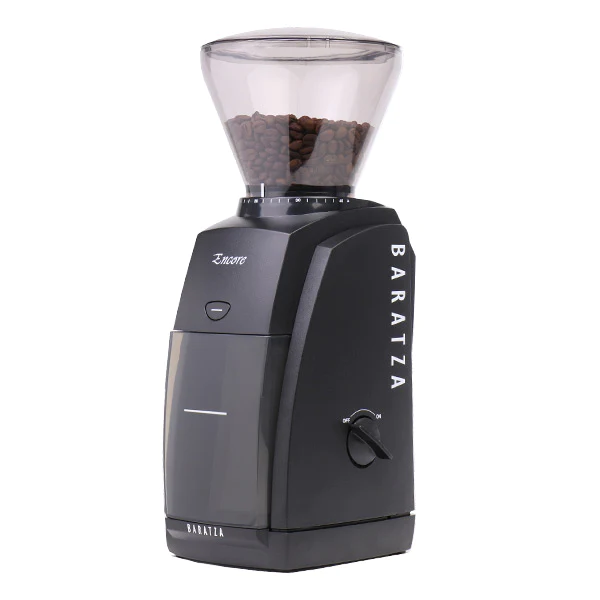
Quick reality check: clarity rewards good brewing and punishes sloppiness. A delicate single origin run through bad water or a dull grinder turns flat and sad fast. If you’re chasing those bright, distinct flavors, your gear matters as much as your beans. A burr grinder (see why in burr vs blade grinders) and decent water quality do more for single origin than any amount of swirling and sniffing.
Espresso Is Where Blends Earn Their Keep
If you pull shots at home, this section is for you. Espresso is brutal: nine bars of pressure, a tiny dose, a few seconds. It amplifies everything, including flaws. That’s exactly why traditional espresso leans on blends.
A well-built espresso blend gives you body, sweetness, and stable crema that hold up under milk. Many classic Italian-style blends include a small percentage of Robusta (often around 10 to 15 percent) on purpose. Robusta beans trap more CO2 during roasting and carry different oils, which produces a thicker, longer-lasting crema and adds a heavier body and a little extra “bite.” It’s not just a cost move; it’s texture engineering. If you want the deep dive on the two species, here’s Arabica vs Robusta.
Can you pull single origin espresso? Absolutely, and a bright Ethiopian shot can be a revelation. But it’s less forgiving: thinner body, faster-fading crema, and it can turn sour if your grind is even slightly off. That means more time spent dialing in. If you’re new to the machine, start with a blend, nail your technique with our guide to making espresso at home, then go play with single origin once you can dial in your grind in your sleep.
Traceability: How Much Do You Actually Get to Know?
This is the cleanest difference between the two. With single origin, the bag often tells you the farm or co-op, the altitude, the processing method, the varietal, and the harvest year. You can trace it back to actual people on actual hillsides. For a lot of drinkers, that connection (and the ethical sourcing it tends to come with) is half the point.
Blends trade some of that away. A reputable roaster will tell you the general origins (“Brazil, Colombia, Ethiopia”), but rarely the specific farms or percentages, because the recipe shifts with the harvests to keep the flavor steady. That’s not shady; it’s how consistency gets made. Just know that “blend” usually means less paper trail. If traceability is a values thing for you, single origin (or a transparent roaster’s named blend) is the way.
Price: What You’re Paying For
Single origins, especially small micro-lots, tend to cost more. You’re paying for scarcity, traceability, careful sourcing, and sometimes genuinely exceptional coffee. Blends span the entire range: a bulk supermarket blend can be cheap and forgettable, while a thoughtfully composed specialty blend can cost as much as a single origin and be worth every cent.
- Best value for daily drinking: a quality specialty blend. Consistent, balanced, and you won’t agonize over wasting a special bag on a travel mug.
- Best value for discovery: single origin from a roaster you trust, bought fresh and small. Treat it like a tasting, not a stockpile.
- Worst value: a pricey, delicate single origin you brew carelessly. You paid for clarity and then poured it down the drain.
Whichever you buy, freshness beats fanciness. A mediocre fresh bag outperforms a heavenly stale one every time, so check the roast date and store your beans properly.
So Which Should You Buy? A Quick Decision Guide
Match the bag to your habits, not your ego.
- You drink it black, by pour over or filter: Single origin. This is its home turf. Pair it with our pour over guide to show off the clarity.
- You pull espresso, especially with milk: Blend. Better body, better crema, more forgiving.
- You want one dependable house bag for every morning: Blend. Consistency is the whole job.
- You’re curious and want to taste the world: Single origin, rotated often. Each bag is a little field trip.
- You take cream and sugar or flavorings: Blend. Those chocolate-and-caramel profiles play nicer with add-ins, and you’d bury a delicate single origin’s florals anyway.
Common Mistakes to Avoid
- Assuming single origin is “better.” It’s more distinct, not more correct. The wrong distinct can be worse than the right balanced.
- Brewing a bright single origin like a dark roast. Lighter, fruitier coffees usually want a slightly finer grind and hotter water (around 200°F / 93°C) to fully open up. Get your numbers right with our coffee-to-water ratio guide.
- Buying a precious single origin to drown in oat milk and vanilla syrup. You won’t taste a thing. Save it for black coffee.
- Judging a whole category from one stale bag. Old beans taste flat no matter the origin. Roast date first, always.
- Skipping the grinder upgrade. Both styles taste better ground fresh and even. It’s the cheapest big jump in your cup.
Frequently Asked Questions
Is single origin coffee stronger than a blend?
Not inherently. “Strength” in your cup comes from your brew ratio, grind, and roast level, not from whether the beans came from one place or several. A single origin often tastes brighter and more acidic, while a blend often tastes rounder and chocolatier, but you control actual intensity at the brewer. Adjust it with our guide to dialing in coffee strength.
Why do most espresso blends include Robusta?
Because it does things Arabica can’t do as easily. Robusta produces a thicker, more stable crema and adds heavier body and a stronger kick, which helps an espresso shot stand up to steamed milk. A typical traditional blend uses roughly 10 to 15 percent Robusta for that texture and bite. Many specialty espresso blends are 100 percent Arabica too; both approaches are legitimate.
Can I use a single origin for espresso?
Yes, and the results can be stunning, especially with fruit-forward coffees. Just expect a lighter body, faster-fading crema, and a narrower margin for error, so plan to spend more time dialing in. Build solid technique on a blend first, then experiment once you’re comfortable.
Does single origin always taste the same when I rebuy it?
No, and that’s expected. Coffee is a seasonal crop, so a single origin’s flavor shifts harvest to harvest with the weather. Blends are specifically designed to stay consistent year-round by swapping components. If “tastes the same every time” matters to you, a blend is the safer buy.
Which is better for a beginner?
A medium-roast blend is the gentlest place to start. It’s balanced, forgiving of brewing mistakes, and consistent, so you can learn your brewer without a wobbly bean fighting you. Once your process is steady, branch into single origins to start tasting the differences.
Here’s the honest landing: there’s no winner, only a right answer for your kitchen. Buy the blend for the mornings you don’t want to think, buy the single origin for the mornings you do. Keep one of each on the shelf and you’ve basically won coffee. Now go grind something fresh, you’ve got good taste either way.