On this page
Standing in the coffee aisle, paralyzed by forty bags that all promise to change your life? Been there. The label says “smooth and balanced” on a bean that tastes like a campfire, the roast date is hiding (if it exists at all), and you have no idea whether you want Ethiopian or Colombian because nobody ever told you what the difference actually tastes like. Let’s fix that. By the time you’re done here, you’ll know exactly what to look for, what to skip, and how to read a bag like you’ve been doing this for years.
Here are the six factors that actually matter when you’re choosing coffee beans: roast level, origin, the species (yes, that’s a thing), processing method, the roast date, and how you plan to brew. Get these right and the rest is just preference. Let’s take them one at a time.
The 6 Factors That Actually Matter When Buying Coffee Beans
Choosing the right coffee beans is the single biggest lever on how your cup tastes — bigger than your machine, bigger than your technique. You can baby a mediocre bean all you want; it’s still going to be mediocre. So before you obsess over water temperature and grind size, get the bean right. These six factors are how you do that.
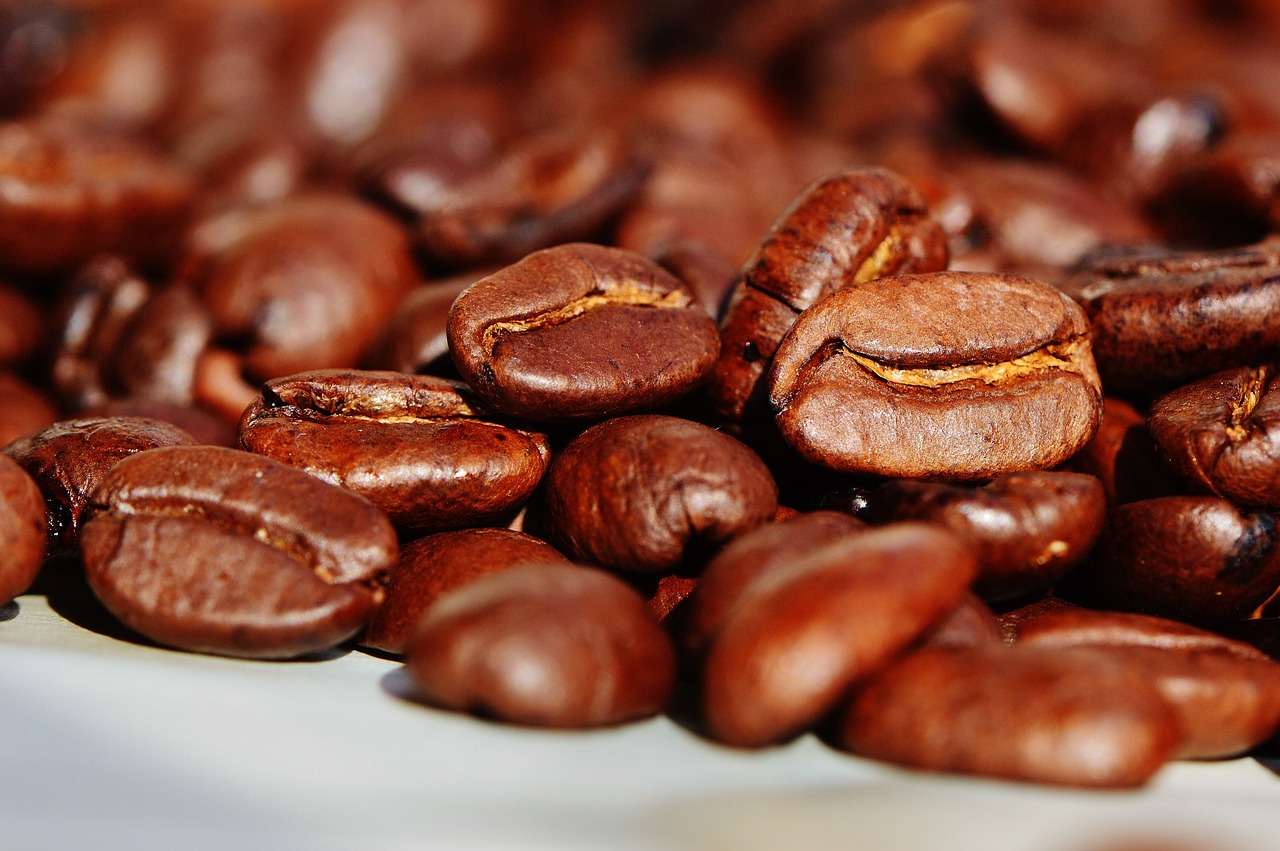
Quick truth bomb: coffee "beans" aren't beans at all. They're the seeds of a cherry-like fruit. Each cherry holds two seeds, which get pulled, processed, and roasted into the stuff in your mug. So technically you drink fruit seeds every morning. You're welcome.
1. Roast Level: Light, Medium, or Dark
The roast level is the first thing you’ll notice and the easiest to get wrong. Here’s the part nobody tells you: a darker roast is not “stronger” coffee. It’s more roasted. Big difference. Roasting burns off acidity and origin character and trades it for body and bittersweet, smoky notes. Push it far enough and every bean on earth starts to taste the same — like roast, not like the coffee.
- Light roast: Dropped from the roaster right around first crack (roughly 196–205°C / 385–401°F bean temp). Brightest acidity, most origin flavor, often fruity or floral. This is where single-origin beans shine. Tastes “thin” to people raised on dark roast — give it a few cups.
- Medium roast: Taken a bit past first crack (around 210–220°C / 410–428°F). The crowd-pleaser. Balanced acidity, more sweetness and body, still some origin character. If you’re not sure where to start, start here.
- Dark roast: Pushed into or past second crack (225°C+ / 437°F+). Bold, smoky, low-acid, oily on the surface. Great for milk drinks and people who want that classic “diner coffee” punch. You lose the subtle stuff, but that’s the trade you signed up for.
Not sure which camp you’re in? Our breakdown of light vs. medium vs. dark roast walks through how each one actually tastes in the cup. And if you want the deep nerdy version, here’s how roasting temperature and time shape flavor.
2. Origin: Where the Beans Grew
Where coffee is grown changes everything — the soil, the altitude, the climate, the local variety. This is why two bags of beans can taste completely different even at the same roast level. A few rules of thumb to read the map by:
- Ethiopia & East Africa: Bright, floral, fruity — think blueberry, jasmine, citrus. Ethiopian coffee is where most people fall in love with light roast.
- Colombia & Central America: Balanced and approachable — caramel, nutty, gentle acidity, clean finish. The “safe yes” of origins.
- Brazil: Low-acid, chocolatey, nutty, full-bodied. Brazilian coffee is the backbone of a lot of espresso blends for exactly this reason.
- Indonesia (Sumatra, Java): Earthy, herbal, spicy, heavy body, very low acidity. Bold and divisive — you’ll know fast if it’s your thing.
“Single-origin” means the beans come from one place, so you taste that place. A “blend” mixes origins for balance and consistency. Neither is better — single-origin is for exploring, blends are for a reliable everyday cup.
3. Species: Arabica vs. Robusta
Here’s a factor most aisle-shoppers skip entirely. Nearly all specialty coffee is Arabica — sweeter, more complex, more acidity, grown at higher altitude. Robusta has roughly double the caffeine, a harsher, rubbery-bitter edge, and shows up in cheap supermarket blends and some traditional espresso for crema and kick. Quality Robusta exists, but if a bag doesn’t say what it is and the price is suspiciously low, assume there’s Robusta in there. For most people chasing flavor, 100% Arabica is the move.
4. Processing Method: Washed vs. Natural
How the fruit gets removed from the seed leaves a real fingerprint on the flavor, and good roasters print it on the bag. Two main ones to know:
- Washed (a.k.a. wet): Fruit stripped off before drying. Cleaner, brighter, more acidity, lets the origin character read clearly. Crisp and tidy.
- Natural (a.k.a. dry): Cherry dried whole with the seed inside. Fruitier, heavier, sometimes boozy or jammy. More wild and intense.
You’ll also spot “honey” processing, which splits the difference — sweeter and rounder. None of these is “correct.” If you love a fruit-bomb cup, chase naturals. If you want clean and elegant, go washed.
5. Quality & Freshness: Read the Roast Date
This is the one I’ll get bossy about. Coffee is a fresh product. It does not age like wine; it goes stale like bread. The single most useful thing on any bag is a roast date — an actual date, not a “best by” two years out. If there’s no roast date, the roaster doesn’t want you to know, and that tells you plenty.
- Buy beans roasted within the last 2–4 weeks. That’s the flavor sweet spot for most coffee.
- Let very fresh beans rest 3–7 days after roasting before brewing — they release CO2 (called degassing) and brew unevenly if you rush them.
- Buy whole bean, not pre-ground. Ground coffee goes stale in days because you’ve exposed way more surface area to air. Whole beans hold for weeks.
- Look for “specialty” or single-origin and a transparent label — region, farm, variety, process. Detail signals care.
Curious why freshness matters so much chemically? It comes down to volatile aromatic compounds escaping and oils oxidizing — and on the green side, even moisture content in unroasted beans affects how well they hold up. Stale beans are also a top reason coffee turns flat or bitter.
6. Brewing Method: Match the Bean to Your Setup
The “best” bean depends on how you brew. Buying for the wrong method is how you end up disappointed by a genuinely good bag.
- Espresso: Medium to dark roasts work beautifully — more forgiving, sweeter under pressure, classic crema. Many roasters label an “espresso” blend for a reason.
- Pour-over / drip: Light to medium single-origins let those bright, delicate flavors sing. This is the method for showing off a fancy Ethiopian.
- French press: Medium to dark, slightly coarser-friendly beans; the full immersion brings out body and richness.
- Cold brew: Medium to dark, low-acid beans (hello, Brazil) make the smoothest, most chocolatey cold brew.
Step-by-Step: How to Pick Your Next Bag of Coffee
Theory’s nice, but you’ve got a wallet out and a bag to buy. Here’s the actual move, in order.
Step 1: Pin Down What You Like
Before anything, get honest about your taste. Do you love a bright, juicy, fruity cup — or a deep, chocolatey, bold one? Think about acidity (bright vs. mellow), body (light vs. heavy), and the flavors you reach for. No idea yet? Totally fine. Order a few different single-cups at a good cafe and pay attention to which one makes you go “oh.”
Shortcut: if you take your coffee black and want it smooth, start with a medium-roast Brazilian or Colombian. If you drink it black and want excitement, grab a light-roast Ethiopian. You'll learn your palate fast.
Step 2: Pick Your Roast Level
Match the roast to what you learned in Step 1. Bright and fruity? Go light. Want a dependable, sweet, balanced everyday cup? Medium. Bold, smoky, low-acid, great with milk? Dark. Remember: dark isn’t stronger, it’s just more roasted.
Step 3: Choose an Origin to Explore
Now narrow by region using the flavor map above. Want to taste the difference origin makes? Buy two single-origins from different continents at the same roast level and brew them side by side. It’s the fastest education in coffee you’ll ever get.
- Africa: fruity, floral, bright.
- South & Central America: balanced, sweet, clean.
- Asia/Indonesia: earthy, spicy, heavy-bodied.
Step 4: Read the Bag (and the Reviews)
Flip the bag over. Look for: roast date, origin/region, variety, process (washed/natural), and tasting notes. A roaster who tells you “Ethiopia, Yirgacheffe, washed, notes of lemon and jasmine” is a roaster who cares. Vague bags with just “premium dark roast blend” and no date? Keep walking. Online, lean on reviews from people who brew the same way you do — espresso feedback won’t help you much if you’re a pour-over person.
Step 5: Check Freshness and Buy Whole Bean
Confirm that roast date is within the last few weeks, the packaging is opaque with a one-way valve (that little plastic nub that lets CO2 out without letting air in), and you’re grabbing whole beans. Pre-ground is a convenience tax you pay in flavor. Grind right before you brew and you’ll taste the upgrade immediately.
No grinder yet? That's your next purchase, not your last. A burr grinder does more for your cup than a fancier machine ever will.
Step 6: Brew, Taste, Adjust, Repeat
Brew your beans and actually taste critically. Too sour or thin? Grind finer or go a touch hotter. Too bitter or harsh? Grind coarser, cool the water slightly, or shorten the brew. A solid starting point for most methods is a 1:16 coffee-to-water ratio (about 60g of coffee per liter of water) with water at 90–96°C (195–205°F). If your cup ever comes out weak and watery, you’re usually under-dosing or grinding too coarse. Tweak one variable at a time so you actually learn what changed.
Common Coffee Bean Mistakes (and How to Dodge Them)
- Buying pre-ground. Convenient, sure. But it’s stale within days. Whole bean, every time.
- Ignoring the roast date. Or worse, buying a bag that doesn’t have one. Freshness is the whole game.
- Stockpiling. That two-pound bulk bag feels economical until the second half tastes like cardboard. Buy what you’ll drink in 3–4 weeks.
- Storing beans in the fridge or freezer for daily use. Moisture and food odors get in, and the temperature swings every time you open the door wreck them. Keep your working supply in an airtight container in a cool, dark cabinet. (Long-term freezing in fully sealed, single-use portions is the one exception — but not your everyday jar.)
- Assuming dark = strong. Strength is about brew ratio and caffeine, not roast color. Light roasts can pack a serious punch.
- Buying for someone else’s setup. A gorgeous light-roast pour-over bean will frustrate you in a cheap auto-drip. Match the bean to how you actually brew.
Frequently Asked Questions
Are dark roast beans stronger than light roast?
Not in the way most people mean. Dark roasts taste bolder and more bitter, but they actually have slightly less caffeine by bean (roasting burns a tiny bit off) and lose origin character. “Strength” in your cup comes from your coffee-to-water ratio, not the roast color. A well-dosed light roast can absolutely out-punch a weak dark one.
How long do coffee beans stay fresh after roasting?
Whole beans are at their best from about 3 to 30 days after the roast date — rest them a few days to degas, then enjoy them through the first few weeks. After a month they’re still drinkable but flavor fades fast. Pre-ground coffee, by contrast, starts losing its best flavor within hours to days. Always buy whole bean and grind just before brewing.
What’s the best way to store coffee beans?
An airtight, opaque container in a cool, dark, dry cabinet — away from heat, light, moisture, and air, the four things that kill coffee. Skip the fridge for your daily supply (it traps moisture and food smells). For long-term storage you can freeze beans, but only in fully sealed, single-portion bags you don’t reopen until use.
Should I buy single-origin or a blend?
Depends on your goal. Single-origin beans showcase the distinct character of one place — perfect for exploring and for pour-over. Blends are engineered for balance and consistency, which makes them great for everyday drinking and espresso. Try both; there’s no wrong answer, just different jobs.
Is it really worth buying whole beans and grinding myself?
Yes, and it’s the highest-impact upgrade most home brewers can make. Ground coffee exposes far more surface area to oxygen, so it goes stale dramatically faster. Grinding fresh right before you brew preserves the aromatic compounds that make coffee taste alive. A modest burr grinder pays for itself in flavor.
The Bottom Line
Choosing great coffee beans isn’t luck and it isn’t a secret club — it’s six honest factors: roast level, origin, species, process, freshness, and matching the bean to your brew. Nail those and you’ve already beaten most of the coffee aisle. Read the roast date like it owes you money, buy whole bean, and don’t be afraid to grab something a little outside your comfort zone.
That’s the whole point.