The History of Coffee: From Ethiopian Legend to Your Cup
On this page
- Kaldi and the Dancing Goats: The Legend That Started It All
- Yemen, Sufis, and the First Real Cup of Coffee
- Coffeehouses: The Original Social Network
- Global Trade: How Coffee Conquered the World
- The Three Waves: From Folgers to Flavor Notes
- Bringing the History Home: Brew Like It Matters
- Frequently Asked Questions
Picture a bored goat herder somewhere in the Ethiopian highlands, watching his flock turn into a goat rave after nibbling some red berries off a scrubby little bush. That, supposedly, is where your morning ritual begins. It’s a great story, and like most great stories, it’s part legend and part truth. Stick with me and you’ll walk away knowing the real timeline of coffee, the confirmed dates worth quoting at brunch, and exactly how a wild Ethiopian shrub became the most argued-over beverage on Earth.
Kaldi and the Dancing Goats: The Legend That Started It All
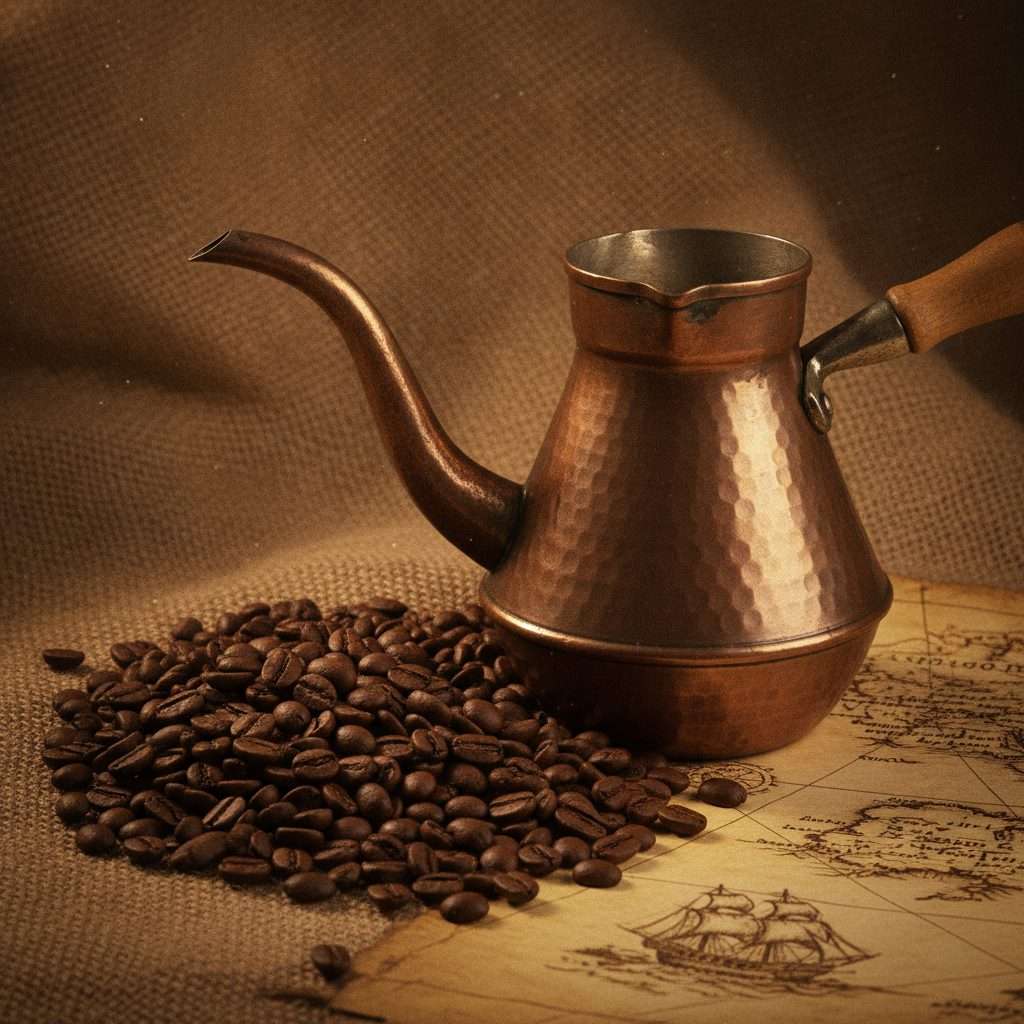
The origin story everyone repeats goes like this. Sometime around the 9th century, an Ethiopian goat herder named Kaldi noticed his goats getting suspiciously frisky after eating berries from an unfamiliar tree. He tried them himself, felt a jolt of energy, and brought them to a local monastery. The monks, being monks, declared the berries the devil’s work and chucked them in the fire, only to be seduced by the smell of the roasting beans. They raked the beans from the embers, ground them, mixed them with hot water, and accidentally invented your favorite thing.
Here’s the part nobody mentions at brunch. The Kaldi tale wasn’t actually written down until 1671, roughly 800 years after it supposedly happened. So treat it as folklore with good PR, not history. What historians do broadly agree on is that wild coffee plants genuinely grew in Ethiopia, and that’s the plant’s true homeland. Kaldi just gets the marketing credit.
Yemen, Sufis, and the First Real Cup of Coffee
Ethiopia gets the plant. Yemen gets the beverage. The earliest credible evidence of coffee actually being roasted and brewed as a drink points to 15th-century Sufi monasteries in Yemen. The Sufis weren’t in it for the flavor notes. They drank coffee to stay awake and focused during long nights of prayer and devotional ritual, which honestly makes them the patron saints of every student pulling an all-nighter.
Yemeni traders brought the berries across the Red Sea from Ethiopia and began cultivating the plant themselves. From there, a manuscript by the Arab writer Al-Jaziri traces coffee’s spread from Yemen outward to Mecca and Medina, then on to Damascus, Baghdad, Cairo, and Constantinople. The famous port of Mocha in Yemen is why your espresso-and-chocolate drink is named what it is, though that’s a story for another recipe.
Coffeehouses: The Original Social Network
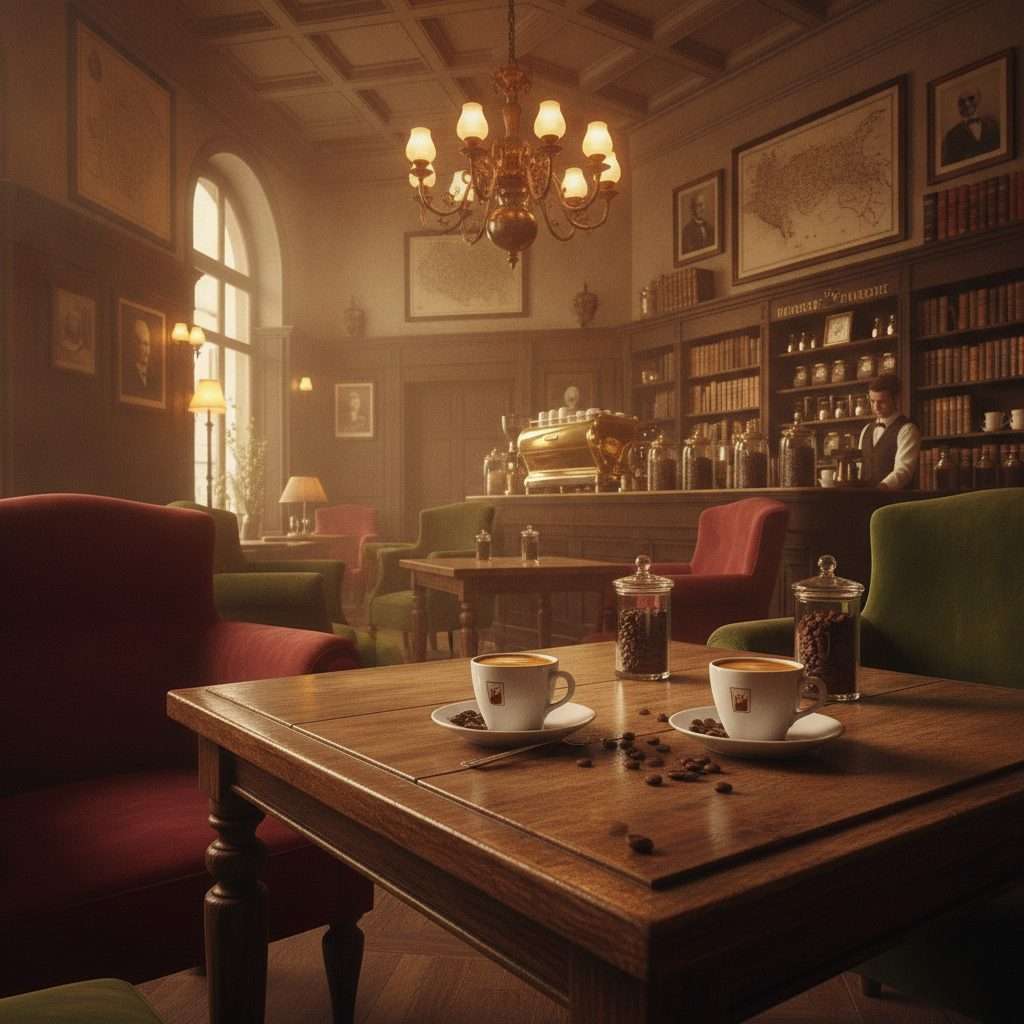
Once coffee hit the cities, people needed somewhere to drink it and gossip. Enter the coffeehouse. The world’s first ones appeared in Mecca around 1511, and they were such hotbeds of lively conversation that the authorities got nervous. Coffee and its houses were actually banned in Mecca from 1512 to 1524 over fears about what people were plotting over their cups. Spoiler: the ban didn’t stick. Coffee never loses.
From there, the spread reads like a passport stamped across a century:
- 1554, Constantinople: Two Syrian merchants opened the city’s first coffeehouse, and the format exploded across the Ottoman Empire within decades.
- 1570, Venice: Coffee arrived in Europe through the great trading port and quickly became fashionable.
- 1650, Oxford: England’s first coffeehouse opened, reportedly run by an entrepreneur named Jacob.
- 1652, London: Pasqua Rosée, a servant from Smyrna, set up London’s first coffee stall in St. Michael’s Alley off Cornhill.
Penny Universities and a Side of Insurance
London’s coffeehouses earned the nickname “penny universities.” For the price of a single cup, roughly a penny, anyone could walk in, read the newspapers, and trade ideas with scholars, merchants, and politicians. It was the cheapest education in the city. And these rooms weren’t just for chatter. Edward Lloyd’s coffeehouse, opened in the 1680s, became the place where ship owners and underwriters did business, and that gathering grew into Lloyd’s of London, the insurance market that still runs today. Not bad for a room that smelled like roasted beans.
Global Trade: How Coffee Conquered the World
For a long stretch, Yemen had a near-monopoly on coffee, guarding its plants jealously. But seeds and seedlings have a way of escaping. European colonial powers carried coffee to their tropical holdings, and the plant found a second home across the equatorial belt. Today the bulk of the world’s coffee grows in what’s called the Bean Belt, the band of countries roughly between the Tropics of Cancer and Capricorn, spanning Latin America, Africa, and Asia.
That global spread is also why the bean in front of you carries so much personality. Where coffee grows, how it’s processed, and how it’s roasted all shape the cup. If you’ve ever wondered why one bag tastes like blueberry jam and another like dark chocolate, the answer starts with origin. It’s worth understanding what’s on the label when you’re selecting the perfect coffee beans, and learning how light, medium, and dark roasts change the same bean entirely.
The Three Waves: From Folgers to Flavor Notes
Fast-forward to modern coffee culture, which historians and roasters often split into three “waves.” The framework comes from American roaster Trish Rothgeb, who coined the term Third Wave in a 2002 article for The Flamekeeper, the newsletter of the Roasters Guild.
- First wave: Coffee as a mass commodity. Think canned and instant coffee that made the drink an everyday staple through the mid-20th century. Convenient, consistent, and not exactly thrilling.
- Second wave: The rise of cafe culture and espresso drinks, driven by chains like Starbucks from the 1970s and 1980s onward. Suddenly people cared about lattes and lingo.
- Third wave: Coffee treated as an artisanal craft, like fine wine or craft beer. The focus is on quality sourcing, traceability, sustainability, and the unique flavors of a specific origin, farm, and roast.
The third wave is why your local roaster can tell you the farm, the altitude, and the processing method behind your bag. It’s also why home brewing got an upgrade. Once people started caring about origin, they started caring about extraction, which is the whole reason a coffee scale now lives on so many kitchen counters.
Bringing the History Home: Brew Like It Matters
Knowing the backstory is fun, but it tastes better when you actually use it. Centuries of farmers, traders, and obsessive roasters got that bean to your kitchen. The least you can do is not scorch it. Here’s a simple third-wave-approved way to honor all that history in a single cup:
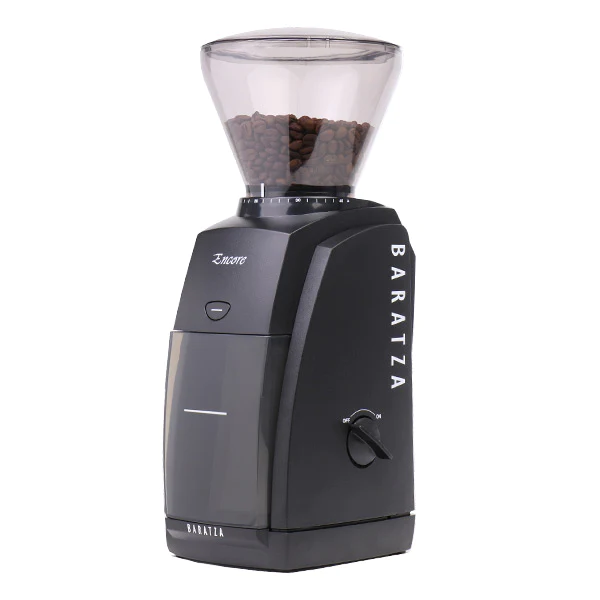
- Start with whole beans and a good grinder. Pre-ground coffee goes stale fast. Grinding fresh right before you brew is the single biggest upgrade most people skip.
- Weigh, don’t guess. A starting ratio of 1:16, about 1 gram of coffee to 16 grams of water, gives a balanced cup. That’s roughly 30 grams of coffee to 480 grams of water for two mugs.
- Mind your water temperature. Aim for 195 to 205 degrees Fahrenheit (90 to 96 Celsius). Boiling water poured straight off the kettle scorches the grounds and turns everything bitter, so let it rest about 30 seconds after the boil.
- Brew, taste, and adjust. Too weak or sour, use more coffee or a finer grind. Too bitter, dial it back. Dialing in your strength is a craft worth practicing.
From there, pick your method and run with it. A pour over gives you a clean, bright cup that shows off a delicate Ethiopian bean beautifully, a fitting tribute to where this all started. Want something fuller-bodied? A French press has your back. Either way, you’re drinking 1,200 years of history. Sip accordingly.
Frequently Asked Questions
Where did coffee originally come from?
The coffee plant is native to Ethiopia, where it grew wild. The famous Kaldi legend places its discovery there around the 9th century, but coffee as a roasted, brewed drink was first developed in 15th-century Yemen.
Is the Kaldi and dancing goats story actually true?
It’s legend, not documented history. The tale wasn’t written down until 1671, centuries after the events it describes. That said, it points to a real truth: Ethiopia genuinely is the birthplace of the coffee plant.
Where was the first coffeehouse?
The world’s first coffeehouses appeared in Mecca around 1511. Coffee culture then spread to Constantinople in 1554, Venice in 1570, and England by 1650, with London’s first opening in 1652.
What is third wave coffee?
Third wave coffee is a movement that treats coffee as an artisanal craft, emphasizing quality sourcing, traceability, sustainability, and origin-specific flavors. The term was coined by roaster Trish Rothgeb in 2002.
Why were London coffeehouses called penny universities?
For the price of a single penny cup, patrons could read newspapers and join intellectual discussions with scholars and merchants. The coffeehouses became hubs of news and ideas, and one of them even gave rise to Lloyd’s of London insurance market.