How to Colombian Coffee: World-Renowned Experience!
On this page
- Why Colombian Coffee Tastes the Way It Does
- What You Need to Brew Colombian Coffee
- The Golden Ratio, Grind, and Temperature
- How to Make Colombian Coffee in a French Press (Step by Step)
- How to Make Colombian Coffee with a Pour-Over (Step by Step)
- Common Mistakes That Ruin Colombian Coffee
- Brewing Colombian for Espresso, Lattes, and More
- A Quick Word on the Hands Behind the Cup
- Frequently Asked Questions
- Summary
Colombian coffee has been on more mugs, in more grocery aisles, and behind more “100% Colombian” labels than just about any single-origin on earth. So here is the thing nobody tells you: buying great Colombian beans is the easy part. Brewing them so they actually taste like Colombia (that round, balanced, caramel-and-red-fruit cup people rave about) takes a little know-how. That is exactly what you are getting here: the right grind, the right ratio, the right water temperature, two foolproof methods step by step, and the mistakes that quietly wreck your cup. Let’s make the good stuff taste as good as it should.
Why Colombian Coffee Tastes the Way It Does
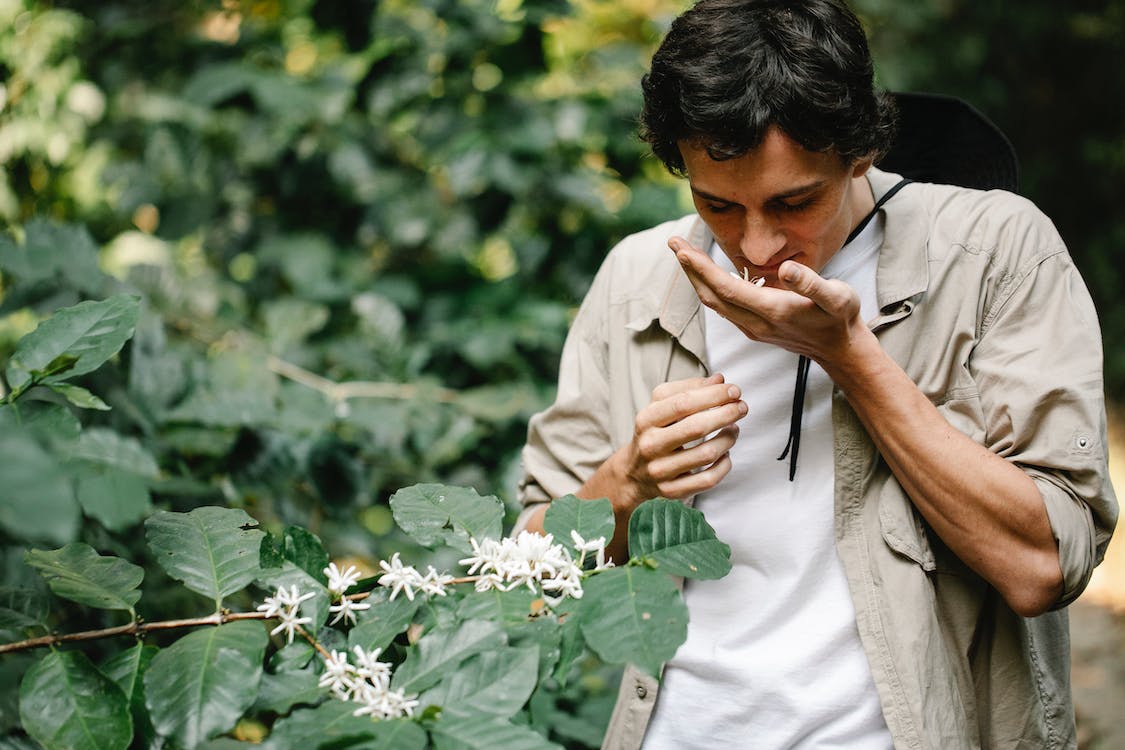
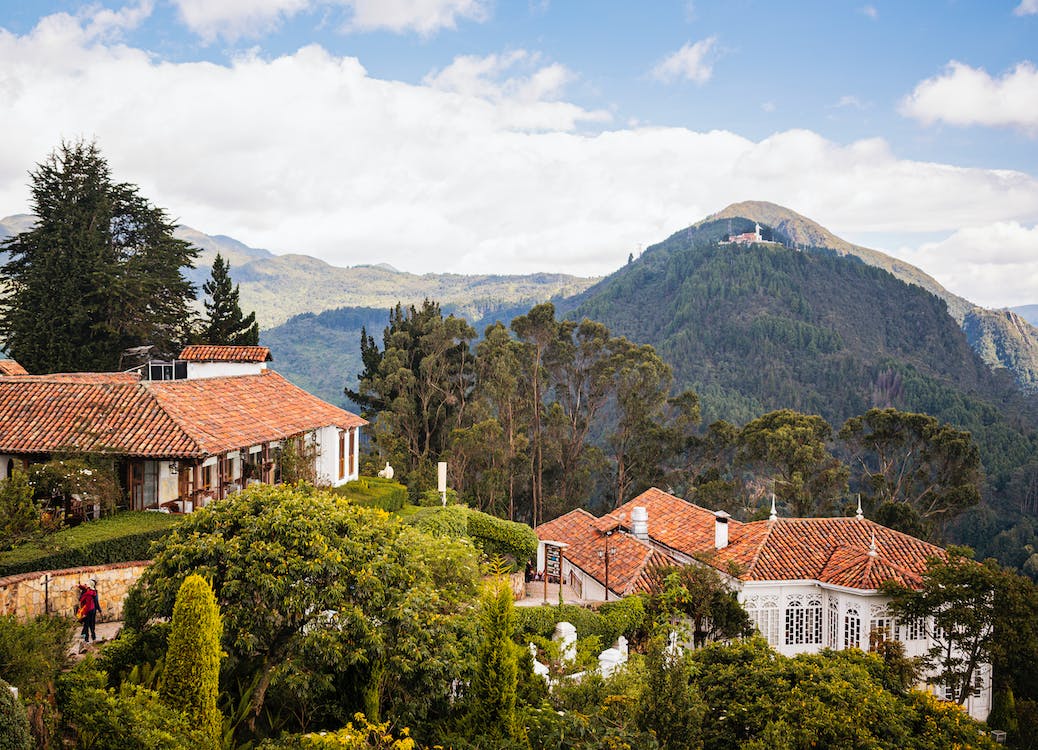
Before you brew it, it helps to know what you are working with. Colombian coffee is almost entirely Arabica, grown high up in the Andes between roughly 1,200 and 2,000 meters. That altitude matters: cooler temperatures slow the cherry’s ripening, which packs in more sugar and acidity and gives you that signature bright-but-balanced profile.
Coffee arrived in Colombia in the early 1800s, and the country leaned into it hard. Today, most Colombian coffee is washed (wet-processed), which strips the fruit off the bean before drying. Washed processing is why your cup tastes clean and crisp rather than wild and boozy. Translation for your kitchen: Colombian beans reward gentle, even extraction. Bully them and the brightness turns sour; coddle them and you get a flat, syrupy mess. The sweet spot is wide and friendly, which is great news for you.
The Flavor Profile You Are Aiming For
A well-brewed Colombian cup typically lands on:
- Medium body — not thin, not heavy. Think comfortable, not chewy.
- Mid-range acidity — a pleasant brightness, like a green apple or a squeeze of citrus, never a pucker.
- Sweet, rounded notes — caramel, milk chocolate, toasted nuts, and red fruit depending on the region and roast.
If your cup is flat and dull, you under-extracted or your beans are stale. If it’s sour and thin, the water was too cool or the grind too coarse. If it’s harsh and bitter, you over-extracted (too fine, too hot, too long). Keep those three signposts in mind and you can troubleshoot any brew. Want a deeper dive on dialing in sweetness? Our guide to the secret to sweeter coffee pairs nicely with this one.
What You Need to Brew Colombian Coffee
You do not need a barista setup. You need a few good basics and the discipline to actually use them. Here is the gear that earns its place on your counter.
- A burr grinder. Non-negotiable. Blade grinders chop beans into uneven chaos, which means some bits over-extract while others under-extract in the same cup. A good burr grinder gives you uniform grounds and consistent flavor. Grind right before you brew — coffee starts losing its aromatics within minutes.
- A scale. “A scoop or two” is how you get a different cup every morning. A simple kitchen scale lets you nail your ratio every single time.
- A brewer. A French press, a pour-over (V60, Chemex, or a basic cone), or a drip machine all work beautifully for Colombian. We’ll cover the two best by hand below.
- A thermometer or a gooseneck kettle. Water temperature is the difference between sour and sweet. You want 195–205°F (90–96°C).
- Fresh, filtered water. Coffee is about 98% water. If your tap water tastes off, your coffee will too.
Curious about other tools that genuinely help (versus the gadgets gathering dust)? Browse our roundup of innovative brewing equipment.
Choosing and Storing Your Beans
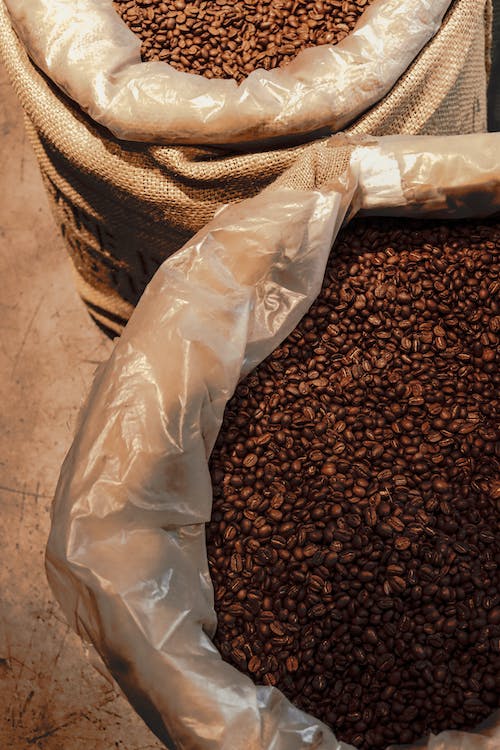
The best brewing technique in the world cannot rescue stale beans. Buy whole-bean Colombian coffee with a roast date on the bag (not a “best by” date — those tell you nothing), and aim to use it within three to four weeks of roasting. A medium roast is the classic move for Colombian: it keeps the origin character intact while rounding out the sweetness. Not sure what you’re looking at on the shelf? Our guides on selecting the perfect coffee beans and telling good coffee from bad will sharpen your eye.
Store beans in an airtight, opaque container away from heat, light, and moisture. Skip the fridge — it invites condensation and your beans will happily absorb the smell of last night’s leftovers. Nobody wants garlic-onion Colombian.
The Golden Ratio, Grind, and Temperature
Three numbers do most of the heavy lifting. Get these right and you are 90% of the way to a great cup.
- Ratio: Start at 1:16 — that’s 1 gram of coffee to 16 grams of water. For a single big mug, try 22 grams of coffee to 350 grams of water. Want it bolder? Move toward 1:15. Lighter? 1:17. Adjust strength here, not by over- or under-brewing.
- Grind: Match the grind to the method. Coarse (like sea salt) for French press, medium (like table salt) for drip and pour-over, fine (like powdered sugar) for espresso. Colombian’s balanced profile makes it forgiving, but the grind still sets your extraction speed.
- Temperature: 195–205°F (90–96°C). No thermometer? Bring water to a boil and let it sit for about 30 seconds before pouring. Boiling water poured straight on the grounds scorches them and pulls out bitterness.
Write these down. Once you find your personal sweet spot, the only thing standing between you and a great cup every morning is repeating it.
How to Make Colombian Coffee in a French Press (Step by Step)
The French press is my desert-island method for Colombian. The metal mesh lets the coffee’s natural oils through, so you get a fuller body and a rounder, sweeter cup. It’s also nearly impossible to mess up once you know the rhythm.
- Heat your water to 200°F (93°C). While it heats, warm the empty press with a splash of hot water, then dump it — a cold glass steals heat from your brew.
- Weigh and grind. For a standard 32 oz press, use about 56 grams of coffee (roughly 8 tablespoons) to 900 grams of water. Grind coarse, like coarse sea salt.
- Add coffee, then water. Pour in the grounds, then add just enough water to wet them all. Wait 30 seconds for the “bloom” — that puff of gas escaping is your beans telling you they’re fresh. Then pour in the rest of the water.
- Stir once to make sure every ground is saturated. Place the lid on with the plunger pulled all the way up (don’t press yet).
- Steep for 4 minutes. Set a timer and walk away. This is the part where you resist fiddling.
- Press slowly and steadily — about 15 to 20 seconds of gentle pressure. If it fights you, your grind is too fine. If it drops like a stone, too coarse.
- Pour it all out immediately into your mug or a carafe. Coffee left sitting on the grounds keeps extracting and turns bitter fast.
If you keep finding sediment in your cup, you’re either grinding too fine or pouring too aggressively at the end. Our guide on preventing grounds in your coffee walks through every fix.
How to Make Colombian Coffee with a Pour-Over (Step by Step)
If the French press is cozy and full-bodied, pour-over is the clean, articulate cousin. It spotlights Colombian’s brightness and those delicate red-fruit notes. It asks a little more attention, and it pays you back.
- Boil your water and let it settle to about 200°F (93°C). Place a filter in your cone (V60, Chemex, or basic dripper) over your mug or carafe.
- Rinse the filter with hot water and discard that water. This removes any papery taste and pre-warms your gear. Don’t skip it — paper flavor is real and unwelcome.
- Add coffee. Use 22 grams of medium-ground coffee for a 350-gram brew (that 1:16 ratio). Give the cone a gentle shake to level the bed.
- Bloom. Pour about 45–50 grams of water in slow circles, just enough to soak the grounds. Wait 30–45 seconds while it bubbles and swells.
- Pour in stages. Add the rest of the water in two or three slow, spiraling pours, keeping the water level steady and pouring from the center outward (avoid drenching the edges of the filter).
- Watch your clock. The whole brew should finish dripping in about 2:30 to 3:30. Too fast and it’s weak — grind finer next time. Too slow and it’s bitter — grind coarser.
- Swirl, serve, sip. Give the carafe a little swirl to mix, then pour and enjoy it while it’s hot.
Common Mistakes That Ruin Colombian Coffee
I have tasted enough sad cups to know exactly where it goes wrong. Here’s your do-this-not-that list.
- Boiling water straight onto the grounds. Don’t. You scorch the coffee and pull out bitterness. Let it cool for 30 seconds first.
- Pre-ground coffee that’s been open for weeks. The aromatics that make Colombian special are long gone. Grind fresh, every time.
- Guessing your measurements. Eyeballing scoops gives you a different cup daily. Use a scale and a ratio.
- The wrong grind for the method. A fine grind in a French press makes a muddy, bitter, sediment-filled mess. A coarse grind in a pour-over makes sour water.
- Letting brewed coffee sit on the grounds or stew on a hot plate. Decant it right away. Reheat gently if you must, but never leave it cooking.
- Bad water. If you wouldn’t drink your tap water plain, filter it before it touches your beans.
Brewing Colombian for Espresso, Lattes, and More
Colombian beans are a fantastic espresso base — that medium body and natural sweetness hold up gorgeously under pressure and produce a thick layer of crema. Grind fine, dose around 18 grams for a double, and aim for a 1:2 ratio (about 36 grams out) in 25–30 seconds. If you’re building your home setup, our ultimate guide to making espresso at home and our notes on using coffee beans for espresso will get you there.
Because Colombian plays so nicely with milk, it’s a dream for milk drinks. Those caramel and chocolate notes practically beg for steamed milk. Pull a shot, steam your milk to silky microfoam, and you’ve got a café-quality latte at home — our guide to making lattes at home covers the technique.
A Quick Word on the Hands Behind the Cup
Every bag of Colombian coffee passed through a lot of careful hands before it reached yours. Much of it is still harvested by hand on small family farms across regions like Caldas, Quindío, Risaralda, Huila, and Nariño, with cherries picked at peak ripeness and processed with real care. Many growers are organized into cooperatives, and a good share carry fair-trade or sustainability certifications. If you care where your coffee comes from (and you should), look for those labels and read up on how coffee gets from farm to cup. It makes that morning ritual taste a little richer.
Frequently Asked Questions
What is the best way to brew Colombian coffee?
A French press or pour-over both shine. The French press gives you a fuller, rounder cup by letting the natural oils through; the pour-over delivers a cleaner cup that highlights Colombian’s brightness. Whichever you choose, stick to a 1:16 coffee-to-water ratio, water at 195–205°F, and a grind matched to your method (coarse for press, medium for pour-over).
What grind size is best for Colombian coffee?
It depends on your brewer. Use coarse (like coarse sea salt) for French press, medium (like table salt) for drip and pour-over, and fine (like powdered sugar) for espresso. Always grind fresh with a burr grinder right before brewing — uneven grounds are the most common reason a good Colombian bean tastes mediocre.
Is Colombian coffee strong?
Strength is mostly about roast and brewing, not origin. Colombian beans are Arabica, so they have less caffeine than Robusta, but they hold up to both light and dark roasts and to bold brewing ratios. Want a punchier cup? Tighten your ratio toward 1:15 rather than over-extracting, which just makes it bitter.
Is Colombian coffee good for espresso?
Yes — it’s one of the best single origins for espresso. The medium body and natural caramel-chocolate sweetness produce a thick crema and a balanced shot that works straight or in milk drinks. Grind fine, dose about 18 grams for a double, and aim for roughly 36 grams out in 25–30 seconds.
How long should Colombian coffee steep or brew?
For a French press, steep 4 minutes, then press and pour immediately. For a pour-over, the full brew should finish dripping in about 2:30 to 3:30. If your cup tastes sour, the brew was too fast or the water too cool; if it’s bitter, it ran too long or too hot. Adjust grind size to bring the time into range.
Summary
Here’s the honest truth: Colombian coffee makes you look like a better brewer than you might be, because the beans are so forgiving and so balanced. Give them fresh grinding, the right ratio, water that isn’t boiling, and a method you actually enjoy, and you’ll be pulling cups that taste like the Andes from your own kitchen. Dial in your numbers, write them down, and repeat what works.
That’s the best part of all of this.
Share Your Thoughts
Have you brewed Colombian coffee at home? Which method won you over — French press, pour-over, or espresso? Your tip might be exactly what the next reader needs to nail their morning cup.