On this page
You opened a fresh bag, brewed your usual cup, and got smacked in the face with a flavor that tastes less like coffee and more like a campfire that lost a fight. Ashy. Bitter. Faintly like a burnt tire. That, my friend, is burnt coffee — and before you dump the whole bag in the trash, let me stop you. Most of the time, you can still pull a genuinely drinkable cup out of those beans. You just have to brew them differently than you’ve been told.
Here’s exactly what you’ll get on this page: how to tell whether your beans are actually over-roasted (or whether your brewing is the real villain), the precise grind, temperature, and timing tweaks that tame the bitterness, the kitchen-counter tricks that rescue a cup you’ve already pulled, and how to never buy a bag of charcoal again. Real numbers, no fluff. Let’s save your morning.
Rescuing Burnt Coffee Beans: Tips to Improve Your Brew
First, a little honesty: a deeply over-roasted bean will never taste like a bright, fruity light roast. We’re not performing a miracle here. What we are doing is pulling the bitter, acrid compounds out of the equation so what’s left is smooth, mellow, and actually pleasant to drink. Burnt beans over-extract fast, which is the whole problem — and also, conveniently, the whole solution. Slow the extraction down and you starve those harsh flavors before they ever hit your cup.
Over-roasted beans develop heavy, bitter compounds and lose the delicate aromatic oils that make coffee sing. The goal of every fix below is to extract less of the bad and rescue more of the good.
Identifying Over-Roasted Beans (Is It the Beans or Your Brew?)
Before you blame the beans, make sure they’re actually the problem. Plenty of “burnt” coffee is really just badly brewed coffee — water that’s too hot, a grind that’s too fine, or beans left to soak way too long. So play detective first.
Signs your beans are genuinely over-roasted:
- Color: very dark brown to nearly black, well past a normal dark roast.
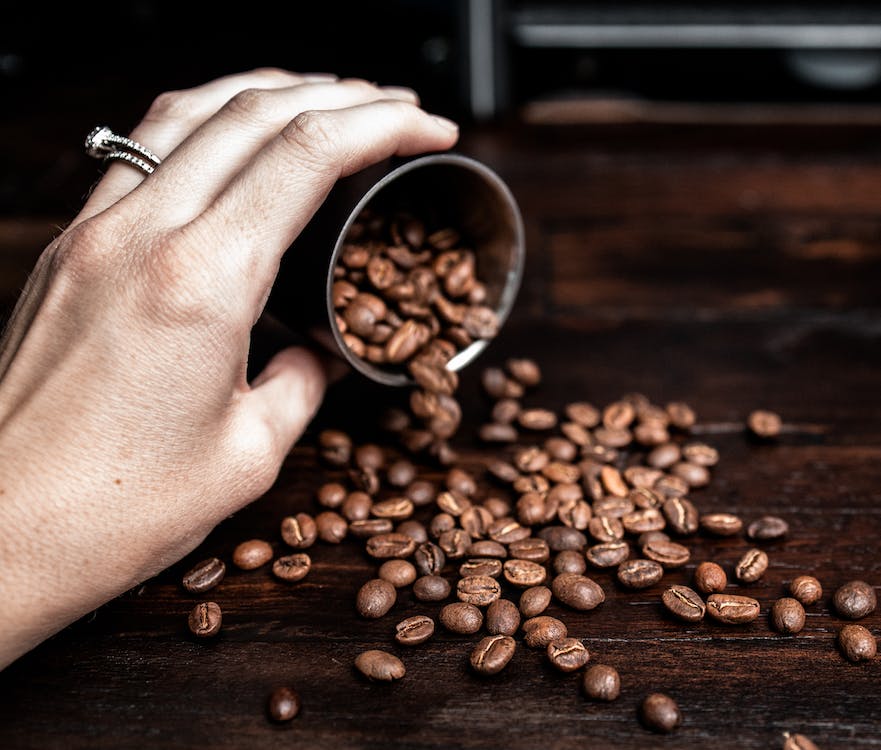
- Surface: slick and oily, sometimes with little shiny pools — that oil is sugars and fats that got pushed too far.
- Smell: a sharp, smoky, almost burnt-toast aroma straight from the bag, before you even grind.
- Taste: flat, ashy bitterness with a charred finish that lingers and dries out your mouth — not the pleasant cocoa-bitter of a good dark roast. If you want to understand exactly why beans tip over this edge, our deep dive on how temperature and time impact roast flavor connects every dot.
If your beans look medium-brown and dry but the cup still tastes burnt, your brewing is the culprit, not the roast. Cooler water and a coarser grind (more on both below) will fix that fast — no rescue mission required.
Adjusting Your Brewing Process to Cut the Burnt Taste
This is where you win the war. Burnt beans give up their bitterness fast and early, so every tweak here is about pumping the brakes on extraction. Don’t rush past these — this is the actual rescue.
- Grind coarser: coarser grounds have less surface area, so water can’t strip out the harsh compounds as quickly. If you normally grind for drip, bump it up a notch or two toward French-press territory. A good burr grinder makes this controllable — a cheap blade grinder gives you dust and boulders at once, which is its own kind of bitter. Our guide to choosing a coffee grinder walks through what actually matters.
- Lower the water temperature: this is the single biggest lever. Standard brewing runs about 195–205°F (90–96°C). For burnt beans, drop to roughly 185–195°F (85–90°C). No thermometer? Boil your water, then let it sit off the heat for 45 to 60 seconds before pouring. Cooler water simply can’t drag out as much bitterness.
- Shorten the brew time: less contact time means less over-extraction. For a French press, cut your steep from 4 minutes to about 2.5–3. For pour-over, speed up your pour and aim to finish a full draw-down sooner. The moment the harsh notes show up, you’ve gone too long.
- Lighten the ratio a touch: the classic starting point is the “golden ratio” of about 1:16 to 1:17 (1 gram of coffee to 16–17 grams of water). With burnt beans, nudge toward 1:17 or even 1:18 — a slightly weaker brew dilutes the bitterness without tasting like dishwater.
- Switch to an immersion method: a French press or a pour-over like the Hario V60 gives you total control over time and temperature, which is exactly what burnt beans need. Drip machines that boil the water and steep on their own schedule are the worst possible tool for the job.
If you tend to land on the opposite problem — weak, hollow coffee — read our companion piece on why coffee tastes watery so you don’t over-correct into sad, thin cups.
Enhancing the Flavor of an Already-Brewed Cup
Already brewed it and it’s still a little harsh? You’re not stuck. These are the in-the-cup rescues, and the first one is the secret weapon nobody believes until they try it.
- Add a tiny pinch of salt — trust me on this one. A literal pinch (think 1/16 teaspoon for a full mug, less for a single cup) doesn’t make coffee salty. Sodium suppresses your tongue’s perception of bitterness, so a whisper of salt mutes the burnt edge and lets the smoother flavors come forward. Start small; you can always add a few grains more, but you can’t take it out.
- Warm spices: a dash of cinnamon, a tiny grate of nutmeg, or a crushed cardamom pod stirred into the grounds before brewing (or sprinkled on top after) adds aromatic warmth that papers over the char.
- A touch of real sweetness: honey, maple syrup, or brown sugar balances bitterness better than white sugar because their own caramel notes harmonize with a dark roast. Go light — you’re balancing, not making dessert.
- Milk or cream: fats round off bitter compounds and add body. Frothed milk is especially forgiving, which is why even mediocre espresso disappears into a good latte.
- Flavored syrups, as a last resort: vanilla, caramel, or hazelnut will absolutely mask a burnt cup, but they also bury whatever real coffee flavor is left. Fine in a pinch — just know it’s a costume, not a cure.
How to Stop Buying Burnt Coffee Beans
The best fix is never needing one. Once you’ve rescued this bag, set yourself up to avoid the next disaster — and pick beans worth getting excited about. Our guide to selecting the perfect coffee beans is the deep cut; here’s the short version.
- Read the bag like a label, not a vibe. Look for a roast date (not just a best-by). Fresh-roasted beans rested 7–21 days are the sweet spot. Avoid bags that only say “dark roast” with no origin or date — that’s often where over-roasting hides.
- Don’t fear all dark roasts. A well-made dark roast is rich and bittersweet, not burnt. The problem is over-roasting, where the roaster pushed past the bean’s limit. Buying from a roaster who lists origins and roast levels usually means they care enough not to scorch them.
- Buy whole bean and grind fresh. Pre-ground coffee goes stale fast and exaggerates every flaw, burnt notes included. Grinding right before you brew keeps things fresh and lets you control extraction.
- Store beans properly. Air, light, heat, and moisture are the enemies. Keep beans in an airtight, opaque container at room temperature — never the fridge, where they pick up odors and condensation. Our full coffee storage guide covers the details.
- If you home-roast, watch the second crack. Beans hit “first crack” at light-to-medium and “second crack” heading into dark. Pull them shortly after second crack starts; linger too long and you’re making charcoal, not coffee.
Step-by-Step: Rescue a Bag of Burnt Beans
Want it as a do-this-then-that checklist? Here’s the whole rescue, start to finish. Follow it in order and taste as you go.
Step 1: Confirm the Beans Are the Problem
- Look: very dark, oily, near-black beans point to over-roasting.
- Smell: a strong, smoky, burnt-toast aroma from the dry beans is a red flag.
- Taste a control cup: brew a small sample your normal way. If it’s ashy and dry-bitter, the beans are over-roasted and the steps below will help. If they look medium and dry, skip ahead — your brewing needs the fix, not the beans.
Step 2: Re-Brew With the Burnt-Bean Settings
- Grind coarser than your usual setting — one or two steps toward French-press coarseness.
- Cool your water to 185–195°F (85–90°C). Boil, then rest the kettle 45–60 seconds before pouring.
- Shorten contact time: French press at 2.5–3 minutes instead of 4; speed up your pour-over draw-down.
- Use a 1:17 ratio (about 1 gram coffee to 17 grams water) to keep things mellow, and taste before adjusting.
Step 3: Fine-Tune the Cup
- Add a tiny pinch of salt — a few grains for a single cup — and stir. Taste. This alone often does the trick.
- Warm it up with spice if you want, a small dash of cinnamon or nutmeg.
- Balance, don’t bury: a little honey, milk, or cream to round it off, added gradually.
Step 4: Set Up Your Next Bag for Success
- Buy by roast date and origin, from a roaster who tells you both.
- Grind fresh right before brewing for control and freshness.
- Store airtight and opaque at room temperature, away from heat and light.
Frequently Asked Questions
Why does my coffee taste burnt even with fresh beans?
Usually it’s the brewing, not the beans. Water that’s too hot (above 205°F / 96°C), a grind that’s too fine, or steeping too long all over-extract bitter compounds and create a “burnt” flavor from perfectly good coffee. Drop your water temperature, grind a touch coarser, and shorten your brew time before you blame the bag.
Does adding salt to coffee really reduce bitterness?
Yes. Sodium interferes with your tongue’s ability to perceive bitterness, so a tiny pinch of salt — far too little to taste salty — noticeably softens the harsh, burnt edge and brings the smoother flavors forward. Use a few grains per cup and add more only if needed.
Are burnt coffee beans safe to drink?
Over-roasted beans are safe to drink — the issue is flavor, not safety. They simply taste bitter and ashy. The rescue tricks here make them more enjoyable, but if a bag is truly scorched beyond saving, it’s fine to use it for cold brew (which extracts less bitterness) or move on to a better roast.
What’s the best brewing method for over-roasted beans?
Immersion and slow pour-over methods win because they give you control over temperature and time. A French press at a shorter steep, or a hand pour-over with cooler water, lets you cut extraction short. Cold brew is also excellent for burnt beans — low temperature and a coarse grind produce a notably smoother, less bitter cup.
How do I avoid buying burnt coffee in the future?
Buy whole beans with a visible roast date from a roaster that lists origin and roast level, grind fresh right before brewing, and store the beans in an airtight, opaque container at room temperature. Those three habits prevent the vast majority of burnt-tasting cups.
The Last Word on Burnt Beans
Here’s the whole thing in one breath: burnt beans over-extract, so you slow everything down — coarser grind, cooler water, shorter brew, a touch lighter ratio — and then you finish in the cup with a tiny pinch of salt and a little warmth if it needs it. Do that and a bag you were ready to throw out becomes a perfectly good morning. Not bright, not fancy, but genuinely drinkable, and that’s a win.
And next time, buy by the roast date and store those beans like you mean it — future you will thank present you. Want to keep leveling up? Branch out with our brewing guides and find a method you love:
- How to Make Vietnamese Coffee: The Strong, Bold Coffee
- How to Hario V60: The Ultimate Guide to Making Perfect Coffee
- How to Siphon Coffee: The Slow and Elegant Way to Brew a Perfect Cup
- How to Aeropress: The Ultimate Guide to Making Amazing Coffee at Home
Now go rescue that bag, pour yourself something better than you expected, and enjoy it. You earned it.