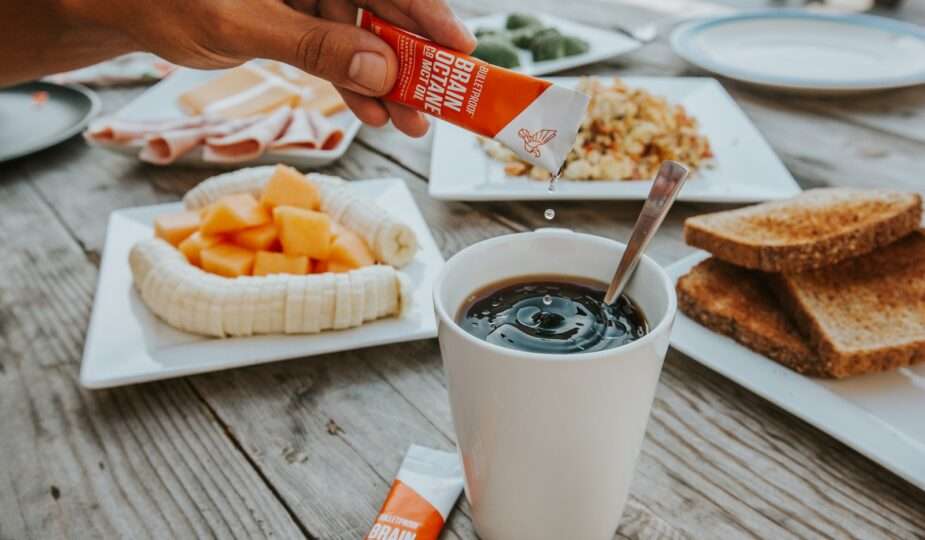
Bulletproof Coffee: Boost Your Brainpower with Keto Coffee
Bulletproof coffee is not a magic potion, and anyone selling it to you as one is also probably selling you a $40 jar of powder. What it actually is? A cup of coffee blended with fat until it turns into a frothy, latte-creamy, surprisingly delicious thing that keeps your hunger quiet and your brain switched on for hours. No mid-morning crash, no 10 a.m. rummaging through the snack drawer. That’s the real pitch, and it holds up.
This guide is the keto-and-energy angle on Bulletproof Coffee — also called butter coffee or bullet coffee. By the end you’ll know the exact ratios, the blending trick most people skip, how it earns its spot on a low-carb or keto plate, the digestive mistake that ruins everyone’s first week, and who should sip something else entirely. Grab your coffee cup. Let’s make this properly.
What Bulletproof Coffee Actually Is
Bulletproof coffee is hot brewed coffee blended with grass-fed butter (or ghee) and MCT or coconut oil until it emulsifies into something creamy and foam-topped. The name comes from entrepreneur Dave Asprey, who tried butter tea high in the Tibetan mountains, felt weirdly great afterward, and went home determined to bottle that feeling with coffee instead of yak butter. Smart man.
Here’s the part people miss: blending is the whole point. Stirring butter into coffee gives you a sad oil slick floating on top like a forgotten parking-lot puddle. Blending forces the fat into tiny droplets suspended through the liquid — that’s an emulsion, the same science that turns oil and egg into mayonnaise — and that’s what makes it taste like a creamy latte instead of greasy water. No blender, no bulletproof coffee. I don’t make the rules; chemistry does.
The Keto Coffee Recipe
The classic ratio is per one 8 to 12 oz cup of strong, hot coffee:
- 1 to 2 tablespoons of grass-fed unsalted butter or ghee — start at 1 if you’re new to this.
- 1 to 2 teaspoons of MCT oil — and yes, I said teaspoons, not tablespoons, the first week. We’ll get to why.
- Coffee brewed strong — fat mutes flavor, so a weak brew tastes like buttery dishwater.
Here’s the build, step by step:
- Brew strong, hot coffee. Pour it straight from the press or machine — you want it near 195 to 200°F so the butter melts on contact. Whatever method gives you a bold cup works; if you’re still dialing in your gear, our take on which coffee maker makes the best-tasting coffee will steer you right.
- Add the fats to the blender, not the cup. Butter first, then oil.
- Pour the hot coffee over them. Let it sit 10 seconds to soften the butter.
- Blend 20 to 30 seconds until you see a thick, pale, espresso-colored foam cap. That foam is your green light — it means the emulsion took.
- Pour and drink within a few minutes. A proper emulsion holds best fresh; let it sit too long and the fat starts to separate back out.
A countertop high-speed blender is the gold standard, but a handheld milk frother in a tall mug works in a pinch and saves you washing the carafe. What does not work: a spoon. Stop trying. It will not emulsify.
MCT Oil vs. Coconut Oil: Which Fat to Use
People use these names like they’re interchangeable. They’re cousins, not twins. Coconut oil is roughly 50% MCTs by content; MCT oil is concentrated medium-chain triglycerides extracted from coconut (or palm). The shorter-chain MCTs — caprylic acid (C8) especially — convert to ketones faster, which is the whole energy-and-focus appeal.
- MCT oil: faster ketone hit, neutral flavor, but harsher on a sensitive gut. Most aggressive on the focus front.
- Coconut oil: gentler, adds a mild coconut note, slower ketone conversion. A friendlier starting place.
- Grass-fed butter or ghee: the creaminess, the body, the satiety. Ghee is the move if dairy and you aren’t friends, since the milk solids are gone.
New to all this? Start with coconut oil and butter, then graduate to MCT once your stomach has signed off. Future you, in a bathroom you didn’t plan on visiting, will thank present you.
How It Fits Into LCHF and Keto Diets
Keto and low-carb, high-fat (LCHF) eating flip your fuel source: cut carbs low enough and your body shifts to burning fat for energy, producing ketones in the process. Bulletproof coffee fits this like a glove because it’s essentially pure fat and caffeine with near-zero carbs. The MCTs nudge ketone production along, which is why so many keto folks reach for it in the morning.
One honest caveat, because I’m not going to blow smoke at you: a buttery coffee does technically break a “clean” fast in the metabolic sense, even if it keeps you in ketosis. If your goal is autophagy or true zero-calorie fasting, this isn’t that. If your goal is appetite control and steady energy on a keto plan, it’s a star.
The Real Benefits (and the Honest Limits)
What this drink genuinely tends to deliver:
- Steady energy, no crash. Caffeine gives the lift; the fat slows everything down so you don’t spike and plummet. This is the benefit people actually feel.
- Real satiety. Fat is filling. A buttered coffee can carry you to lunch with zero hunger pangs, which is why it pairs so neatly with a later first meal.
- Smoother focus. Many drinkers report a cleaner, calmer alertness than black coffee on an empty stomach — likely the fat buffering the caffeine.
Now the part the breathless blogs skip: the clinical evidence for dramatic weight loss or brain-supercharging from butter coffee specifically is thin. It can support a low-carb plan by curbing appetite, but it’s not a fat-burning miracle and it won’t out-run a diet that isn’t working. Treat it as a useful tool, not a cheat code, and you’ll never be disappointed.
Who Should Be Careful
A cup of this can run 200 to 450+ calories, almost entirely fat — that’s a meal’s worth of energy in liquid form. Worth knowing before you “add it” on top of breakfast and wonder where the surplus came from. If you have high cholesterol, are watching saturated fat on medical advice, or have a history of gallbladder trouble (fat triggers bile release), check with your doctor before this becomes a daily habit. And if you’re not on keto, that’s fine — just account for the calories instead of treating it as a freebie.
Tips for the Best Cup (and Common Mistakes to Skip)
1. Start with quality coffee beans
Fat softens and rounds out flavor, which means a flat, stale bean has nowhere to hide. Begin with freshly roasted, ethically sourced coffee beans with no additives. A bold medium-dark or dark roast stands up best to all that butter — anything timid gets steamrolled.
2. Use grass-fed butter or ghee — unsalted
Grass-fed butter carries more omega-3s, fat-soluble vitamins, and a deeper golden color and flavor. Always go unsalted unless salted coffee is a hill you want to die on (it is not). Dairy-sensitive? Ghee strips out the milk solids and lactose while keeping the richness — same velvet, fewer issues.
3. Add MCT oil — but ease into it
MCT oil is the fast-energy engine: medium-chain triglycerides convert quickly into ketones the brain and body can burn. A teaspoon or two enhances the focus-and-satiety effect. But MCT oil has a gentle laxative streak, so begin with as little as half a teaspoon and climb from there. This is the single most common rookie error, so it gets its own section below.
4. Blend it like you mean it
Twenty to thirty seconds in a high-speed blender or a hard go with a frother. You’re after a stable, foamy emulsion with a latte-like crema on top. Under-blend and the fat separates within a minute, leaving you with that grease slick we keep trash-talking. Foam cap = success.
5. Ramp the fats up slowly
Don’t go full 2-tablespoons-of-everything on day one. Start low on both the butter and the oil, let your digestion adjust over a week or two, and creep upward to the ratio that feels good. Your gut is not built for an overnight oil change.
6. Pair it with intermittent fasting (with a caveat)
Swapping breakfast for a buttered coffee is the classic move — the fat and caffeine keep hunger at bay so you can push your eating window later and stay in fat-burning mode. Just know it’s not a true zero-calorie fast. If you’re fasting for appetite control, perfect. If you’re fasting for strict autophagy, drink it black instead.
7. Play with flavors
The classic bulletproof coffee recipe is butter and MCT oil, but it loves company. A pinch of cinnamon, a few drops of vanilla, a spoon of unsweetened cocoa, or a tiny dash of sea salt to make the coffee pop — all keto-friendly, all delicious. Add them to the blender so they distribute properly.
8. Drink your water too
The satiety is real and easy to mistake for not needing water — especially on keto, which already pulls fluid and electrolytes out of you. Keep a glass of water going alongside your coffee. Your brain runs better hydrated.
9. Listen to your body
This works beautifully for some people and not at all for others, and both are completely normal. Watch how you actually feel — energy, hunger, sleep, digestion. If something’s off, dial the recipe back or step away, and loop in a healthcare professional if anything feels genuinely wrong.
10. Keep it in moderation
One cup is a tool. Three cups is a calorie problem wearing a wellness costume. Remember this is an energy-dense drink, fold it into a balanced plan, and it’ll earn its keep without sabotaging your goals.
Quick Troubleshooting
- Oily film on top? You under-blended or your coffee wasn’t hot enough. Reheat, blend longer.
- Stomach in revolt? Too much MCT oil too fast. Cut back to half a teaspoon and rebuild slowly.
- Tastes greasy or flat? Your coffee was too weak. Brew it stronger so it can carry the fat.
- Separates as you drink it? It’s cooling and sitting too long — drink it fresh, or give it a quick re-blend.
Frequently Asked Questions
What is bulletproof coffee?
It’s hot brewed coffee blended with grass-fed butter (or ghee) and MCT or coconut oil until it turns creamy and frothy. The blending creates an emulsion, which is what gives it a latte-like texture and the prolonged satiety, focus, and crash-free energy fans love.
Where did it come from?
Entrepreneur Dave Asprey was inspired by yak-butter tea he drank in Tibet, where he felt unusually energized at altitude. He swapped tea for coffee and yak butter for grass-fed butter and MCT oil, aiming for steady energy without the spikes and dips of regular coffee.
How much MCT oil should I start with?
Half a teaspoon to one teaspoon at first — not a tablespoon. MCT oil has a mild laxative effect, and going big on day one is how people end up with cramps and an urgent meeting with the bathroom. Increase gradually over a week or two as your gut adapts, topping out around 1 tablespoon if it agrees with you.
Does bulletproof coffee break a fast?
Technically yes — it has calories, so it breaks a true fast. But because it’s almost pure fat with virtually no carbs or protein, it won’t spike insulin and it keeps you in ketosis. For appetite-control fasting it’s great; for strict autophagy-focused fasting, drink your coffee black.
How do I make it without a blender?
A handheld milk frother in a tall mug is your best no-blender option — froth hard for 20 to 30 seconds until you get a foamy top. What won’t work is a spoon; stirring just floats the fat instead of emulsifying it, leaving an oily slick. You need mechanical force to break the fat into droplets.
Can I drink it if I’m not on keto?
Absolutely. You don’t need to be keto to enjoy the creamy texture and steady energy. Just remember it’s a calorie-dense drink (often 200 to 450+ calories), so account for it rather than adding it on top of a full breakfast. If you have cholesterol or gallbladder concerns, check with your doctor first.
Make It Yours
Here’s the whole thing in one breath: brew it strong, blend it with grass-fed butter and a small starting dose of MCT or coconut oil, watch for that foamy crema, and ease into the fats so your stomach stays on your side. Done right, you get a creamy cup that quiets your hunger and carries your focus straight through the morning — no crash, no snack drawer raid. Done wrong, you get an oil slick and regret. Now you know the difference.
Want to go deeper? Dial in your gear with our guide to which coffee maker makes the best-tasting coffee, pick smarter beans with selecting the perfect coffee beans, and nerd out on the journey from farm to cup. Curious whether your daily habit is doing a number on your smile? We get honest about that in coffee and your dental health.
Now go blend yourself something better than the line at the drive-through. Stay caffeinated.