On this page
Let’s settle this once and for all, because the internet loves to make it dramatic: there is no single coffee maker that crowns one “best tasting” cup for everybody. The machine doesn’t make great coffee. You do, with a decent machine and a few numbers in your back pocket. What you actually want is the brewer that matches the cup you crave and the kind of mornings you have. Big mug to sip while you answer emails? Bold little jolt before a workout? Sunday ritual with a playlist and zero rush? Different brewers, different magic.
So here’s the real question hiding inside “which coffee maker makes the best tasting coffee?” It’s “which one makes the best coffee for you.” Let me walk you through the big three, give you the exact ratios and temps that separate “fine” from “oh, what’s IN this?”, and send you off knowing exactly what to buy and how to use it.
The Honest Answer: It’s the One You’ll Actually Dial In
Before we get into machines, three rules carry more flavor weight than any brewer on this list. Get these right and even a $30 drip maker will embarrass a neglected $700 espresso setup.
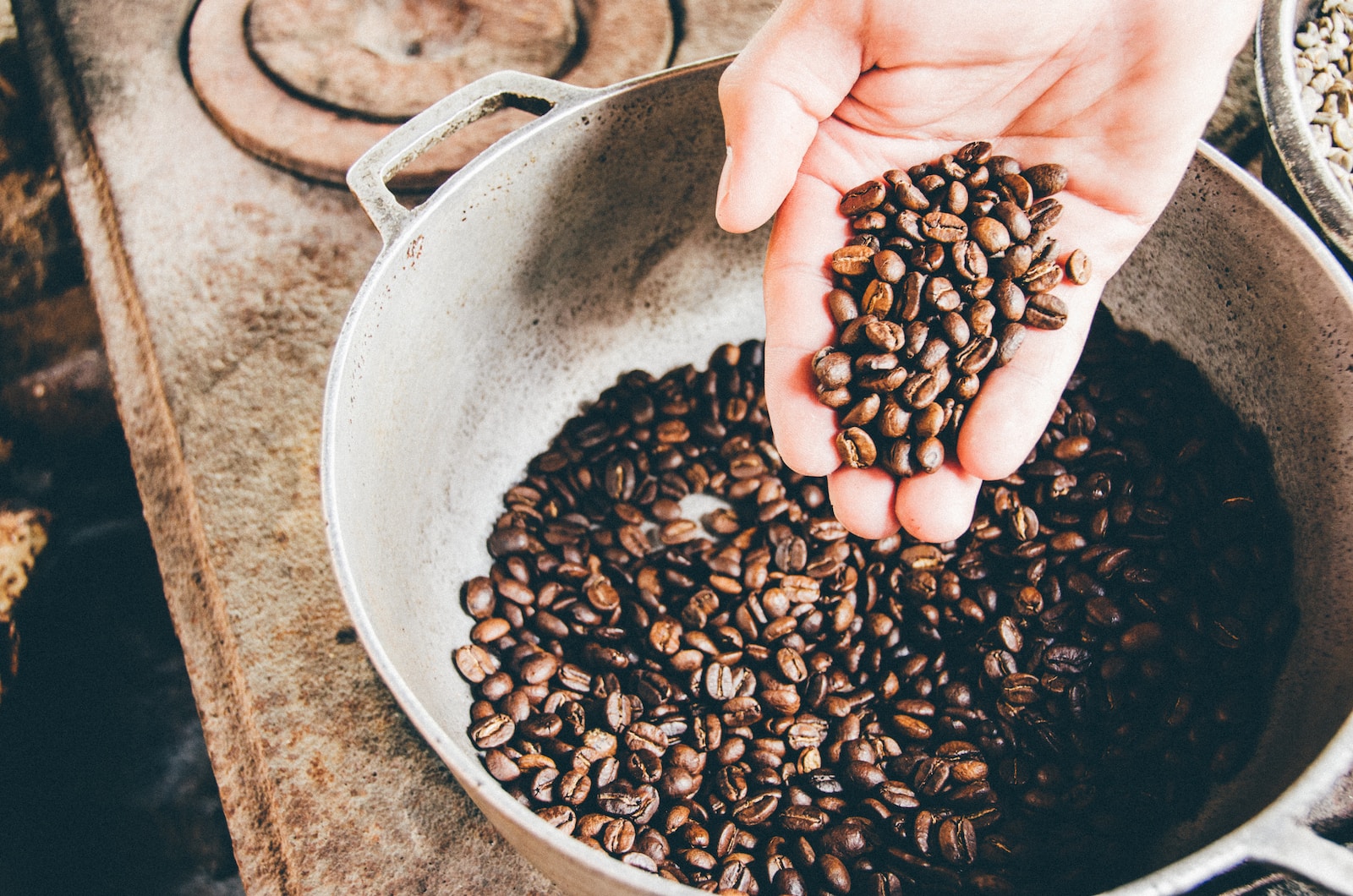
- Fresh beans, ground right before brewing. Coffee starts going stale within minutes of grinding. Buy whole beans roasted in the last few weeks, keep them in airtight storage containers away from light and heat, and grind on demand with a good burr coffee grinder. This is the single biggest upgrade most people are skipping.
- Get the ratio right. The sweet spot most pros use is the “golden ratio” of roughly 1 gram of coffee to 16–18 grams of water. In kitchen terms, that’s about 2 tablespoons of grounds per 6 oz of water. A $15 kitchen scale beats eyeballing it every single time.
- Water temperature: 195–205°F. Too cool and you get sour, under-extracted coffee. Too hot (boiling, 212°F) and you scorch it bitter. Let a kettle rest about 30 seconds off the boil and you’re in the zone.
And one more, non-negotiable: use filtered water. Coffee is about 98% water, so if your tap tastes like a swimming pool, so will your coffee. The quality of your beans and your water do more heavy lifting than the brand on the box. Now, the contenders.
Drip Coffee Makers: The Reliable Everyday Workhorse
The classic for a reason. A drip coffee maker heats water and showers it over coffee grounds in a filter, then drips the finished brew into a carafe. Set it the night before, wake up to the smell of coffee, pour a whole pot. If you’re feeding a household or you just want caffeine without a ceremony, this is your machine.
If your priority is grab-and-go convenience over a full pot, the single-serve route is worth a look too – the best Keurig coffee makers trade a little flavor control for a fresh cup at the push of a button.
Here’s the catch nobody tells you: most cheap drip machines don’t get the water hot enough. They brew at 180–190°F, which is why budget drip coffee can taste flat and sour no matter what beans you use. If you care about taste, look for a machine certified by the SCA (Specialty Coffee Association) “Certified Home Brewer” program – that badge means it actually hits proper temperature and brew time.
To make drip taste genuinely good:
- Use a medium grind (think coarse sand, not powder). Too fine clogs the filter and over-extracts.
- Weigh it: about 55–60 g of coffee per liter of water, or 2 level tablespoons per 6 oz cup.
- Rinse paper filters with hot water first to kill that cardboard taste.
- Don’t let it sit on the hot plate for an hour – it’ll cook to bitterness. Brew into a thermal carafe instead.
Want the deep dive on pulling the best cup from one of these? Here’s how to drip coffee the right way. And if you’d rather your machine schedule and adjust itself, the best smart coffee makers let you start a brew from your phone.
Best for: daily drinkers, busy mornings, brewing for a crowd, set-it-and-forget-it people.
Pour-Over: Maximum Control, Cleanest Cup
Pour-over is where coffee gets a little romantic, and honestly, it earns it. You pour hot water over grounds in a filter (a Hemisphere, V60, or Kalita), by hand, at your own pace. Because you control the water temperature, pour speed, and grind, you control the flavor. The payoff is a clean, bright, nuanced cup that lets a good single-origin bean show off everything it’s got.
It does ask for five minutes and a little attention. But the technique is simple once you’ve done it twice:
- Grind medium-fine (like table salt) and use the 1:16 ratio – say 25 g coffee to 400 g water for a generous mug.
- Bloom first. Pour just enough water (about double the weight of the grounds) to wet everything, then wait 30–45 seconds. You’ll see it puff up and bubble – that’s CO2 escaping, and skipping it leaves you with sour coffee.
- Pour in slow, steady spirals from the center out, keeping the water level steady. Total brew time: aim for 2.5 to 3.5 minutes.
- Too fast (under 2 min)? Grind finer. Too slow and bitter (over 4 min)? Grind coarser. That’s the whole feedback loop.
A gooseneck kettle makes the pour controllable and is the one upgrade truly worth it here. The reward is a cup so clean it’ll change how you think about your beans.
Best for: single cups, weekend rituals, tasting nice beans, anyone who finds the process kind of meditative (no shame – it is).
Espresso Machines: Bold, Intense, and a Gateway to Lattes
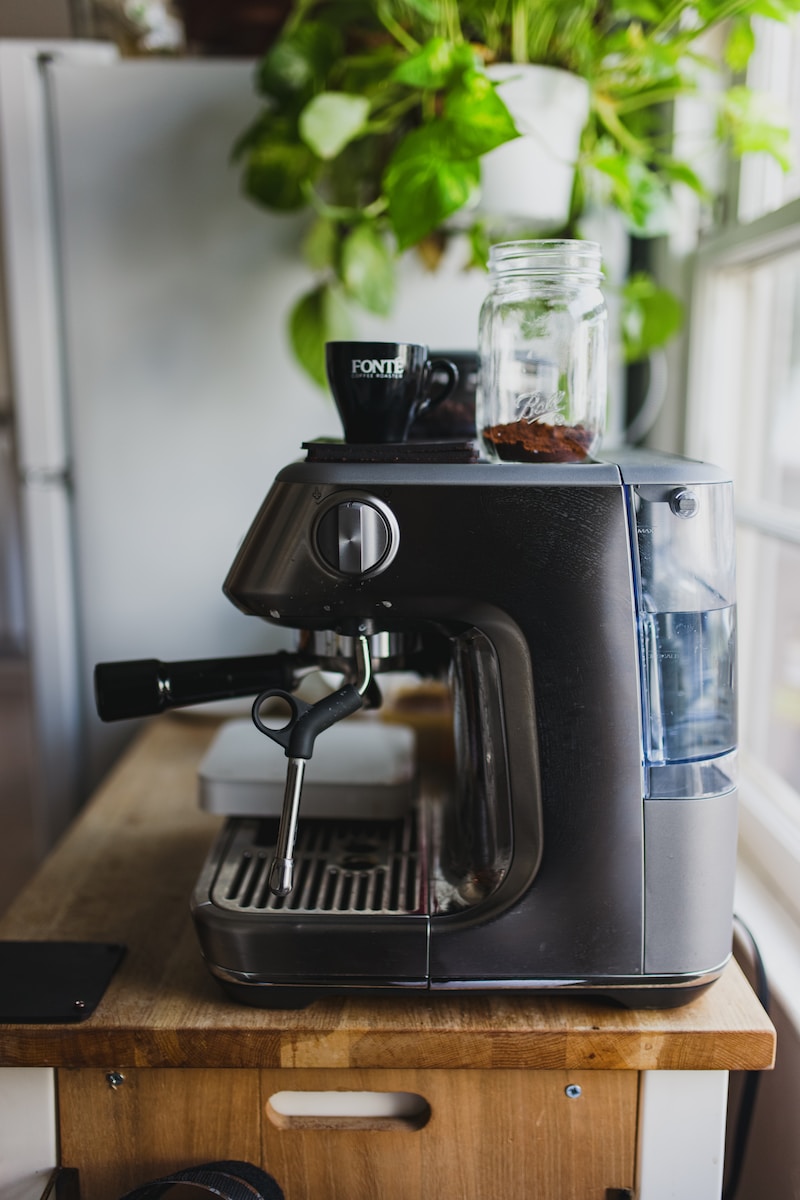
If you want a small, powerful, syrupy shot – and the ability to make cappuccinos and lattes at home – espresso is your lane. An espresso machine forces near-boiling water through tightly packed grounds at around 9 bars of pressure. That pressure pulls out oils and dissolved solids other methods can’t touch, which is why espresso tastes so concentrated and carries that golden crema on top.
They come in flavors of their own:
- Manual / lever: total control, total learning curve. For hobbyists who enjoy the craft.
- Semi-automatic: the sweet spot for most home baristas – you control the shot timing, the machine handles pressure.
- Fully automatic / super-automatic: push a button, get a shot. Great for convenience, less control over the fine details.
The numbers that make or break a shot:
- Grind very fine (finer than table salt). Espresso lives and dies by grind, so a good burr grinder matters more than the machine.
- Standard double shot: about 18–20 g of grounds in, 36–40 g of liquid out (a 1:2 ratio).
- Time it: 25–30 seconds for that pour. Faster means sour and under-extracted (grind finer); slower means bitter (grind coarser).
- Tamp evenly with firm, level pressure – an uneven puck lets water channel through and ruins the shot.
Pulling shots for the bean you love? Here’s a guide to choosing beans for espresso so you’re not fighting your machine.
Best for: latte and cappuccino people, fans of strong concentrated coffee, anyone who wants a café setup at home and enjoys tinkering.
| Coffee Maker | Key Differences | Taste Profile | Best Used For |
|---|---|---|---|
| Drip Coffee Makers | • Convenient, programmable, brews by the pot • Look for SCA certification for proper temp |
• Smooth, easy, crowd-pleasing • Best with a medium grind and a 1:16–1:17 ratio |
• Daily use • Brewing larger quantities |
| Pour-Over Coffee Makers | • Total hands-on control of temp, pour, grind • Slow, deliberate 3-minute brew |
• Clean, bright, nuanced • Shows off good single-origin beans |
• Single cups • Tasting and savoring nice beans |
| Espresso Machines | • ~9 bars of pressure, fine grind • Steam wand for milk drinks |
• Bold, concentrated, rich crema • The base for lattes and cappuccinos |
• Strong coffee lovers • Milk-based café drinks at home |
The Verdict: Pick Your Morning, Not Just a Machine
Here’s how I’d actually choose, no fence-sitting:
- You want easy, consistent coffee for the whole house? Drip. Buy an SCA-certified one and you’ll never look back.
- You want the cleanest, most flavorful single cup and you don’t mind five minutes? Pour-over. It’s the cheapest way to taste truly great coffee.
- You want lattes, cappuccinos, and a bold concentrated shot? Espresso. Just budget for a real grinder too – it matters more than the machine.
Whichever you pick, remember the order of priorities: fresh beans first, correct ratio second, right temperature third, and the machine fourth. A modest brewer with great beans beats a fancy one with stale grocery-store grounds every single time.
Quick Answers (FAQ)
What coffee maker makes the smoothest coffee?
Pour-over and well-made drip give the smoothest, cleanest cups. Espresso is bolder and more intense by design – smooth in a different, richer way.
What’s the ideal coffee-to-water ratio?
About 1:16 to 1:17 for drip and pour-over (1 g coffee to 16–17 g water), and roughly 1:2 for espresso (18 g in, 36 g out). When in doubt, weigh it.
Why does my home coffee taste bitter or sour?
Bitter usually means over-extraction – grind coarser or lower the temp. Sour usually means under-extraction – grind finer, get the water hotter (195–205°F), or extend the brew time.
Does the grinder really matter that much?
Yes. Grinding fresh, with a burr grinder for an even particle size, is the upgrade that improves every brewing method at once.
Where to Go From Here
So, “which coffee maker makes the best tasting coffee?” The one that fits your life and gets dialed in with fresh beans, a real ratio, and hot-enough water. Drip for ease, pour-over for clarity, espresso for boldness. There’s no wrong answer – only the cup you’ll keep wanting to make.
Ready to shop or go deeper? These guides will steer you to the right machine for your counter:
- Best Coffee Maker – our overall top picks across every style
- Best Smart Coffee Maker – brew from your phone, schedule on the fly
- Best Drip Coffee Maker – the workhorses worth your money
And once you’ve got the machine, don’t sleep on the rest of the chain: picking the right beans and keeping grounds out of your cup are what turn a good brewer into a great morning. Now go grind something fresh and pour yourself a cup you’re actually proud of.