Topic Overview: What Is the Difference Between Light, Medium, and Dark Roast Coffee?
Here’s the thing nobody tells you when you’re standing in the coffee aisle squinting at bags labeled “light,” “medium,” and “dark”: the roast level isn’t a quality ranking. It’s not bad-good-best. It’s three completely different flavor adventures, and the “right” one is just whichever one you actually like. So let’s settle this once and for all, with real numbers, real ratios, and zero snobbery — by the end you’ll know exactly which bag to grab and how to not wreck it once you get it home.
And yes, we’re going to deal with the great caffeine myth, because somebody at every dinner party confidently says the wrong thing about it. It’s not going to be you anymore. Let’s get into the world of coffee roasts.
Light vs Medium vs Dark: What Actually Changes in the Bean
Why Roasting Is Where the Flavor Happens
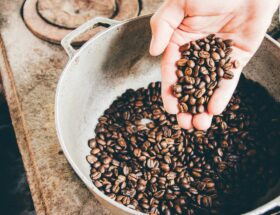
Green, unroasted coffee tastes like grassy disappointment — trust me, you don’t want it. Roasting is the heat that wakes the bean up. As temperature climbs, sugars caramelize, acids break down, and the bean physically changes: it dries out, swells, and eventually starts releasing oils. Roasters track this by ear, listening for two milestones called “first crack” (around 196–205°C / 385–401°F, a popcorn-like snap) and “second crack” (around 224–230°C / 435–446°F).
Here’s the cheat code for the whole article: the longer and hotter the roast, the more the bean’s origin character burns off and the more “roasty” character takes over. That’s the entire spectrum in one sentence.
- Light roast — pulled at or just after first crack. Brightest, most origin-forward, most acidity (in the good, lively way).
- Medium roast — pulled between first and second crack. The balanced peacemaker.
- Dark roast — pulled at or after second crack. Bold, smoky, low-acid, oily-surfaced.
This is also why two bags of beans from the same farm can taste like totally different drinks. If you’ve ever wondered why coffee beans taste different, roast level is half the answer — origin and processing are the other half.
Light Roast: Bright, Fruity, and Full of Personality
Light roast is the one that tastes the least like “coffee coffee” and the most like an actual place — a Kenyan farm, an Ethiopian hillside, a Colombian valley. It’s light brown, dry on the surface (no oil sheen), and it leans bright and juicy. If you think you don’t like light roast, there’s a decent chance you’ve only had it brewed badly, because it’s the least forgiving of the three.
- Flavor: fruity, floral, tea-like, citrusy. Think blueberry, lemon, jasmine, honey. Higher perceived acidity.
- Body: lighter, cleaner, more tea-like than syrupy.
- Caffeine: by the scoop, light roast actually edges out dark (more on that below — it’s the fun part).
- Best brewing methods: pour-over (V60, Chemex), drip, and AeroPress, which all show off those delicate high notes.
Do this, not that: Brew light roast a touch hotter and grind it a little finer than you would a dark roast, which is exactly why a consistent quality coffee grinder matters so much for getting clean, even extraction. Aim for water at 96–99°C (205–210°F) and a ratio around 1:16 (about 1 gram of coffee to 16 grams of water — roughly 30 g coffee to 480 g water for a two-cup pour-over). Light roast is denser and harder to extract, so cooler water or a coarse grind gives you sour, thin, under-developed coffee. If your light roast tastes like a lemon attacked you, you under-extracted it — go finer or hotter.
Medium Roast: The Crowd-Pleaser That Never Loses a Vote
Medium roast is the diplomat. It’s roasted long enough to caramelize those sugars into cozy sweetness, but pulled before the smoky stuff takes over. The result is balanced, rounded, and ridiculously easy to like — which is exactly why it’s what most American coffee shops pour by default and what most home brewers reach for, too — if you’re shopping for a machine to match it, our roundup of the best drip coffee makers is a good place to start. It’s the “I don’t want to think about it, I just want a good cup” roast.
- Flavor: caramel, milk chocolate, toasted nuts, baking spice, a little brown-sugar sweetness. Acidity is present but mellow.
- Body: medium and smooth — more weight than light, less heaviness than dark.
- Caffeine: right in the middle, which surprises absolutely no one.
- Best brewing methods: genuinely all of them. Drip, French press, espresso, Moka pot, you name it.
Do this, not that: If you’re buying one bag for a household full of people with different opinions, buy medium and stop overthinking it. A 1:16 to 1:17 ratio at 93–96°C (200–205°F) is your safe, delicious starting point for drip and pour-over. Want it stronger? Add coffee, don’t over-brew — there’s a real difference, and you can learn to adjust coffee strength without scorching the flavor.
Dark Roast: Bold, Smoky, and Unbothered
Dark roast is loud and proud. Roasted to or past second crack, the beans turn deep brown to almost black, the surface glistens with oils, and the origin’s delicate fruitiness gets traded for big roasty, smoky, bittersweet flavor. This is the backbone of classic espresso and most diner coffee, and there’s a reason it never goes out of style — it’s comforting, intense, and it holds up beautifully to milk and sugar. French roast coffee lives at the very dark end of this spectrum.
- Flavor: dark chocolate, toasted/smoky notes, caramelized sugar, a pleasant bitterness. Low acidity.
- Body: the heaviest and most full-bodied of the three — think bold and syrupy.
- Caffeine: by weight it’s a hair MORE than light; by scoop it’s a hair less. The roast itself barely moves the needle.
- Best brewing methods: espresso, French press, Moka pot, and cold brew, which all love deep, low-acid flavor.
Do this, not that: Dark roast is fragile and porous, so it extracts fast — back OFF the heat. Use water at 90–93°C (194–200°F) and a slightly coarser grind. Brew it too hot and you’ll pull out ashy, burnt bitterness that gives dark roast its bad reputation. And one more: oily beans go stale faster, so buy dark roast in smaller bags and use it within 3–4 weeks of the roast date. Don’t freeze your daily bag, and never store beans in the fridge — that’s a one-way ticket to stale, fridge-flavored coffee.
The Caffeine Myth, Finally Put to Rest
Okay, let’s settle the argument that ruins brunch. You’ve heard “dark roast is stronger, so it has more caffeine” and you’ve also heard “no, LIGHT roast has more caffeine!” Here’s the truth: roasting barely changes caffeine at all. Caffeine is remarkably heat-stable and survives the roast almost completely intact.
So why does anyone argue? Because how you measure changes everything:
- By scoop (volume): Dark beans puff up and lose moisture, so they’re lighter and less dense. A scoop of light roast packs in more beans — and therefore slightly more caffeine — than the same scoop of dark.
- By weight (a scale): Because dark roast loses more mass during roasting, a gram of dark beans actually has a hair more caffeine than a gram of light. So dark wins by weight.
The kicker? The whole difference is roughly 2–5% either way — small enough that your bean variety (robusta has nearly double the caffeine of arabica) and your brew method matter far, far more. Want the real power move? Weigh your coffee with one of the best coffee scales instead of scooping. You’ll get consistent caffeine, consistent strength, and consistent flavor, cup after cup. Non-negotiable.
How to Pick Your Roast in 10 Seconds
Don’t overthink it. Match the roast to the mood:
- You drink it black and love bright, fruity, complex flavor → light roast.
- You want a smooth, balanced everyday cup that pleases everyone → medium roast.
- You take it with milk, want bold and cozy, or you’re pulling espresso → dark roast.
- You’re brewing for a crowd with mixed tastes → medium, every time.
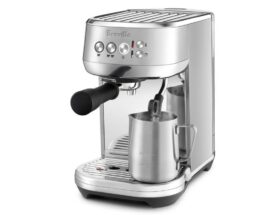
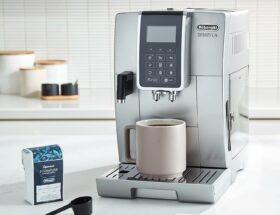
One thing that matters more than roast level: freshness and bean quality. A stale “premium” dark roast loses to a fresh medium every single day, and pairing fresh beans with one of the best coffee makers for your favorite brew style is what really brings it all together. Start with good beans — here’s how to think about good vs bad coffee and how to go about selecting the perfect coffee beans before you ever worry about the roast color.
Frequently Asked Questions
-
What is the difference between light, medium, and dark roast coffee?
It comes down to how long and how hot the beans are roasted. Light roast is pulled right around first crack — bright, fruity, and high in lively acidity, with the most origin flavor. Medium roast goes a little further for a balanced, caramel-and-chocolate cup. Dark roast pushes to second crack for bold, smoky, low-acid flavor and an oily surface. The further you roast, the more the bean’s natural character gives way to roasty notes.
-
Which roast has the most caffeine?
Practically a tie — roasting barely affects caffeine because it’s heat-stable. By volume (the scoop), light roast has slightly more because the beans are denser. By weight (the scale), dark roast has slightly more because it loses more mass while roasting. The gap is only about 2–5% either way, so the bean variety and your brew method matter much more than the roast.
-
Does the roast level affect the health benefits of coffee?
Only a little. All roast levels deliver beneficial antioxidants and compounds. Lighter roasts tend to retain more chlorogenic acids (a key antioxidant group), while darker roasts develop other compounds during roasting. The differences are modest — choosing high-quality coffee beans matters more than chasing a roast level for health reasons.
-
Which roast is best for espresso?
Traditionally a medium-dark or dark roast, because its bold, low-acid, full-bodied flavor cuts through milk and holds up under pressure — that’s why classic espresso blends lean dark. That said, modern cafes pull plenty of light and medium roasts as espresso for brighter, fruitier shots. If you’re dialing in at home, our guide to making espresso at home walks you through it.
-
Can I blend different roast levels together?
Absolutely — blending is an art. Combining roasts can give you the bright acidity of a light roast, the body of a medium, and the boldness of a dark all in one cup. Pre-roast blends are roasted together for harmony; post-roast blends mix already-roasted beans for control. Either way, fresh beans and a consistent grind keep the result balanced.
-
What water temperature and coffee-to-water ratio should I use?
Start at a 1:16 ratio (about 1 g coffee per 16 g water) and adjust to taste. For water temperature, go hotter for lighter roasts (96–99°C / 205–210°F) and cooler for darker roasts (90–93°C / 194–200°F). Sour and thin? Grind finer or brew hotter. Bitter and harsh? Grind coarser or brew cooler. Learning to adjust your coffee strength is mostly about ratio and grind, not just buying a “stronger” roast.
So there it is — no roast is the winner, because the winner is whichever one ends up in your mug tomorrow morning. Buy a small bag of each, weigh your scoops, mind your water temp, and taste your way through it. Then pour a cup for somebody you like and let the good stuff do the talking. That’s the whole point.