
French Roast Coffee: Taste, Caffeine and How to Brew It
If you’ve ever taken a sip of coffee so dark and smoky it practically smelled like a campfire, you’ve met French roast. It’s the boldest, blackest, most unapologetic roast on the shelf, and people tend to feel strongly about it one way or the other. You either live for that bittersweet, charred intensity, or you take one sip and reach for the cream.
French roast isn’t a bean, it isn’t a region, and despite the name, it isn’t even particularly French. It’s a roast level, plain and simple. So let’s clear up the myths, get into what actually makes it taste the way it does, and figure out how to brew it so it sings instead of tasting like an ashtray. Stick with me.
So What Exactly Is French Roast?
French roast is the darkest commonly sold roast, full stop. Roasters take the beans all the way through “second crack” and a little beyond, which is where the magic (and the danger of burning) happens.
Quick roasting refresher so this makes sense:
- First crack happens around 385–400°F. The beans audibly pop, like popcorn, as steam escapes. This is light-to-medium roast territory.
- Second crack kicks in around 435–450°F, a quieter, crackly snap as the bean’s structure breaks down further.
- French roast lives at the tail end of second crack, roughly 460–480°F. Push much past that and you’ve got charcoal, not coffee.
That extra time and heat is what gives the beans their signature look: dark, almost black-brown, with a glossy sheen of oil on the surface. Those oils got pushed out of the bean by the heat, and they’re a dead giveaway you’re holding a dark roast. Want the full breakdown of how roast levels stack up? We get into it over on our French roast coffee guide.
Where the Name Actually Comes From
Let’s settle this, because it’s the question everyone asks. “French roast” did not come from France growing or roasting some special bean. France doesn’t grow coffee at all (the climate is wrong, and they’re busy with wine anyway).
The name is a style descriptor. Back in the day, different countries had reputations for how dark they liked their coffee, and the French leaned hard into dark, oily, intensely roasted beans. So “French roast” became shorthand for “take this roast as dark as the French would.” It stuck, it crossed the Atlantic, and now it’s a label on bags worldwide.
The practical takeaway: the beans inside a French roast bag can come from anywhere — Brazil, Colombia, Ethiopia, Sumatra, you name it. The roast level is the whole identity here, not the origin. If you care about where your beans actually come from, that’s a separate (and worthwhile) rabbit hole — start with our guide to choosing the right coffee beans.
What French Roast Actually Tastes Like
Bold. Smoky. A little bit dangerous. French roast is not a subtle cup, and it’s not trying to be.
Here’s what you’ll taste:
- Smoky and charred — the defining note, like a campfire that learned manners.
- Bittersweet, caramelized depth — that long roast caramelizes the sugars before they burn, giving you a dark-chocolate, toasted bitterness.
- Low acidity — this is the big one. The roast burns off most of the bright, fruity, tangy acids, so what’s left is round and mellow on the stomach. If acidity bugs you, this is your friend; here’s more on taming acidity.
- Full body — thanks to those surface oils, it feels heavy and rich in your mouth, almost syrupy.
What you won’t taste is the delicate stuff: the floral, fruity, “notes of blueberry and jasmine” personality of a light roast gets completely incinerated at these temperatures. That’s the trade-off, and it’s not a flaw — it’s the point. You’re drinking French roast for the roast, not for the bean’s birthplace.
The Caffeine Myth (Let’s Bust It Right Now)
You’ve probably heard that dark roasts have less caffeine because the roasting “burns it off.” Nope. I’m going to say the thing nobody wants to hear: caffeine is remarkably heat-stable and survives roasting almost completely intact. Your French roast has basically the same caffeine as a light roast of the same bean.
So why the confusion? It comes down to how you measure:
- By scoop (volume): Dark roast beans puff up and lose moisture, so they’re bigger and lighter. A scoop holds fewer beans, so you get slightly less caffeine per scoop.
- By weight (grams on a scale): Caffeine per gram is nearly identical between roasts — the difference is a handful of milligrams either way, which is to say, negligible.
The fix is easy: weigh your coffee instead of scooping it, and the whole question disappears. (A decent coffee scale is the single best $15 you’ll spend on your coffee setup. Don’t argue with me on this one.)
How to Brew French Roast So It Doesn’t Taste Burnt
Dark roasts are extract-happy — all those broken-down, oily compounds give up their flavor fast. Over-extract one and it turns bitter and ashy in a hurry. The trick is to pull back a little. Here’s exactly how.
Nail the Grind, Ratio, and Temperature
- Grind a touch coarser than you would for a lighter roast. Dark beans are more brittle and extract quickly, so a slightly coarser grind slows things down and keeps bitterness in check.
- Use a 1:16 ratio as your starting point — that’s 1 gram of coffee to 16 grams of water, or about 22 grams of coffee for a 12-oz mug. Want it punchier? Nudge toward 1:15.
- Drop your water temp slightly. Standard brewing is 195–205°F, but for French roast aim for the low end, around 195°F. Cooler water pulls less of the bitter, scorched compounds. Boiling water (212°F) is the express lane to a burnt-tasting cup — let your kettle sit 30–45 seconds after the boil.
- Always grind right before you brew. Those surface oils go stale and rancid fast once the bean is cracked open, so a good burr coffee grinder that gives you a consistent grind on demand makes all the difference. Pre-ground dark roast sitting in your pantry is doing you no favors.
The Brew Methods That Love a Dark Roast
- French press — the metal mesh lets those oils through into the cup, giving you that big, heavy body French roast is made for. Steep 4 minutes, press slow, pour right away so it doesn’t keep extracting.
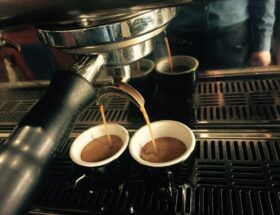
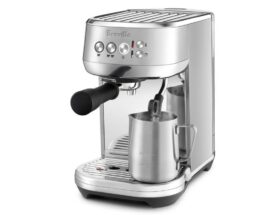
- Espresso — French roast is a classic espresso base. The low acidity and bold flavor punch right through milk, which is exactly why it shines in lattes and cappuccinos. New to it? Here’s our guide to making espresso at home.
- Drip and pour-over — totally doable, just mind your temperature and don’t over-pour. A paper filter will trap some oils, giving you a cleaner, less heavy cup if that’s your thing. If you brew this way daily, it’s worth investing in one of the best drip coffee makers that holds a steady brew temperature so your dark roast never scorches.
Want the broader home-brewing playbook? We’ve got you covered in how to make the best coffee at home.
The Honest Pros and Cons
No coffee is for everyone, and French roast is more polarizing than most. Here’s the straight talk.
What’s great about it:
- Big, bold, satisfying flavor that holds up to cream, sugar, and milk without disappearing.
- Low acidity, which is gentler if a bright cup tends to upset your stomach.
- Forgiving in milk drinks — it cuts through a latte like nothing else.
- Consistent and predictable, since the roast flavor dominates over bean variation.
What to keep in mind:
- The intense roast steamrolls the bean’s origin character, so you lose those nuanced fruity or floral notes.
- It’s easy to over-extract into bitterness if you’re not careful with grind and temperature.
- Those surface oils go rancid faster than a light roast, so buy smaller bags, drink them within a few weeks, and keep them in one of the best coffee storage containers to slow the staling.
- The smoky, charred profile is genuinely too much for some palates — and that’s fine.
Quick Takeaways
- French roast = roast level, not origin. The beans can come from anywhere; the dark roast is the whole identity.
- The name is style, not geography. It nods to the French taste for dark coffee, not French-grown beans.
- Caffeine is basically the same as any roast. Weigh your coffee and the “less caffeine” myth disappears.
- Brew it gentler: coarser grind, 1:16 ratio, ~195°F water, and never boiling.
- Buy small, grind fresh, drink soon. Those oils don’t keep.
French Roast FAQ
What is French roast coffee?
It’s the darkest commonly sold roast level, taken just past second crack (roughly 460–480°F). The beans come out dark, glossy with oil, and taste smoky, bittersweet, and full-bodied with very low acidity. It’s defined entirely by how it’s roasted, not by where the beans grew.
What are the main characteristics of French roast?
Strong, full-bodied flavor; low acidity; a heavy, almost syrupy mouthfeel; and pronounced smoky, charred, dark-chocolate, and caramelized notes. The coffee beans carry a visible oily sheen from the long, hot roast.
How does it compare to light, medium, and dark roasts?
French roast is darker and bolder than all of them. Light roasts are bright, fruity, and acidic with no surface oil; medium roasts balance acidity and body; standard dark roasts are rich and smoky. French roast pushes past even most dark roasts — lower acidity, heavier body, more smoke, and almost none of the bean’s original fruity or floral character.
What are the pros and cons?
Pros: bold flavor that survives milk and sugar, low acidity that’s easier on the stomach, and a consistent, predictable cup. Cons: the roast overwhelms origin nuances, it can turn bitter if over-extracted, and the oily beans go stale faster than lighter roasts. Some folks simply find the smoky intensity too much — totally valid.
Does French roast have less caffeine?
Not really — this is a stubborn myth. Caffeine survives roasting almost completely, so a French roast and a light roast of the same bean have nearly identical caffeine by weight. The only real difference shows up if you measure by scoop: dark beans are bigger and lighter, so a scoop holds fewer of them and slightly less caffeine. Weigh your coffee on a scale and the difference vanishes.
How should I brew French roast at home?
Start with fresh whole beans and grind them right before brewing, a touch coarser than you would for a lighter roast. Use a 1:16 coffee-to-water ratio (about 22 g coffee per 12-oz mug) and water around 195°F — never boiling, which scorches it into bitterness. French press and espresso are the standout methods because they showcase the body and boldness. For the full home setup, see making great coffee at home.
Where did “French roast” come from?
The term is an American-style marketing description for a very dark roast level, named after the French preference for darkly roasted coffee — not because the beans are grown or roasted in France. French roast beans can originate from South America, Central America, Africa, or Asia. The roast level is what defines the coffee, regardless of where the beans were grown.
Are there health benefits to French roast?
French roast offers the same general perks as any coffee — increased alertness, better focus, and a body of research linking regular coffee drinking to lower risk of conditions like Parkinson’s disease, type 2 diabetes, and liver disease. There’s nothing magical about the roast level itself; as always, enjoy it in moderation and mind your own caffeine tolerance. We dig into the science in the health benefits of drinking coffee.
Fun fact to drop at your next coffee run: "French roast" got its name not because the beans came from France, but because the French were known for loving their coffee dark and intense. The label was coined to capture that bold, smoky roasting style they favored. So next time you pour a cup, remember — it's a tip of the hat to French coffee taste, not a passport stamp on the beans.
The Bottom Line
So here’s where we land: French roast is the boldest cup on the shelf, defined by its roast and not its origin, smoky and bittersweet and low in acidity, with the same caffeine as any other roast once you weigh it out. It’s a love-it-or-leave-it kind of coffee, and there’s no shame in either camp.
If you’re in the love-it camp, treat it right — buy small bags, grind fresh, keep your water just under a boil, and let that French press or espresso machine show off everything this roast has to give. You’ve earned it.