Cortadito Coffee: How to Brew an Authentic Cuba Cup
Okay, let’s settle something. A cortadito is not a fancy coffee-shop riddle you need a barista certificate to crack. It’s a tiny, sweet, gorgeously creamy shot of Cuban happiness — sweetened espresso cut with steamed milk — and you can absolutely make it in your own kitchen tonight. It came up in Cuba, sailed over to Miami, and somewhere along the way became the little cup that fuels half of South Florida before 9 a.m. Grab your coffee equipment, and let me hand you a taste of Cuba in every sip. People love to call the cortadito the “American Dream” of Cuban coffee — small, sweet, and somehow exactly what you needed. Let’s get into it.
What is Cortadito Coffee?
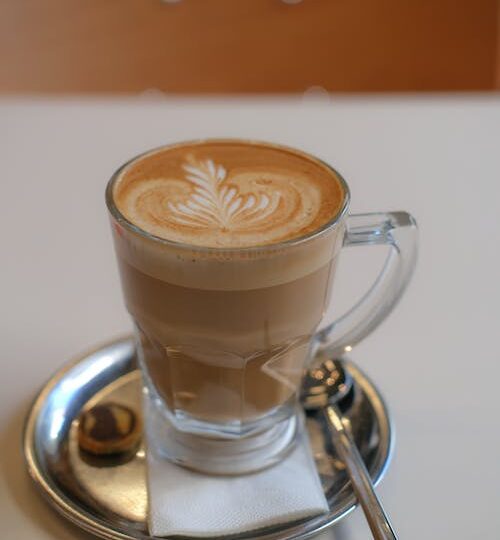
A cortadito is a rich, sweetened coffee built on a base of strong espresso, lightly cut with steamed milk and sweetened the Cuban way — with a whipped sugar paste called espuma. The word itself is a nod to “cortado,” meaning “cut,” because the milk cuts the intensity of the espresso. The result is small, sweet, and creamy with a caramel-colored crema on top that looks far more impressive than the effort it took. It blew up in Cuba, then took root in Miami’s cafecito windows, and now it has a devoted following anywhere people appreciate a strong, sweet little pick-me-up. Think of it as Cuban coffee’s softer, milkier cousin — all the punch of a cafecito, gentled just enough by warm milk.
How the Cortadito Fits in the Cuban Coffee Family
Before you brew, a quick lay of the land, because Cuban coffee is a whole family and the cortadito is the cozy middle child:
- Cafecito (Café Cubano): Straight sweetened espresso, no milk. The pure, electric one. If you want the full rundown, I walk through it in how to make Cuban coffee, Cafe Cubano.
- Cortadito: That same sweetened espresso, but cut with a splash of steamed milk. Smaller and richer than a latte, sweeter and creamier than a straight shot.
- Café con leche: The big breakfast pour — sweetened espresso loosened way down with a generous amount of hot milk. The cortadito’s larger, mellower relative.
The cortadito lives right in the sweet spot: enough milk to soften the edges, not so much that you lose the coffee. Non-negotiable.
How to Brew Your Own Authentic Cortadito
Here’s the beautiful part: you do not need a $3,000 machine to make a great cortadito. You need strong espresso, a little sugar, and warm milk. That’s the holy trinity. Let me walk you through it like I’m standing right next to you at the stove.
Step 1: Gather Your Coffee Equipment
First, get your gear together so you’re not scrambling mid-brew. To make a delicious cortadito for coffee at home, you’ll want:
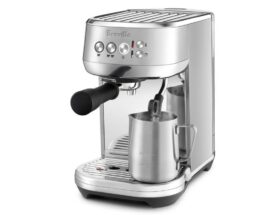
- An espresso machine or a stovetop moka pot (the classic Cuban-kitchen workhorse — and honestly my pick if you’re going for authentic).
- An espresso grinder, or good pre-ground espresso. If you grind fresh, aim for a fine, salt-like grind — too coarse and your moka pot gives you sad, weak water.
- A milk frother or a steam wand. No frother? A small saucepan and a whisk will get you there.
- A whisk or a sturdy spoon for the sugar paste. This is where the magic happens.
- A small, demitasse-sized cup. Cortaditos are little. That’s the point — see how much caffeine is in a cup of coffee if you want to know exactly what you’re signing up for.
And don’t skimp on the coffee beans. A dark, espresso-style roast is traditional and stands up beautifully to the sugar and milk. If you’re curious about getting the most out of your beans for shots specifically, I get into it in using coffee beans for espresso brewing.
Step 2: Brew Strong Espresso and Whip the Espuma
Brew a strong espresso — about 2 ounces (one double shot) for a single cortadito. On an espresso machine, follow the manufacturer’s instructions and pull your shot. On a stovetop moka pot, fill the bottom chamber with water just up to the safety valve, spoon the coffee grounds into the filter basket and level them off (don’t tamp a moka pot — just level), assemble, and set it over low heat until the coffee gurgles up into the top chamber. Low and slow. Crank the heat and you’ll scorch it bitter, I promise you.
Now the secret handshake of Cuban coffee — the espuma. As soon as the very first drops of espresso come through, capture about a teaspoon of those first, strongest drops in a small bowl or cup with 1 to 2 teaspoons of sugar (start with 1 if you’re sugar-shy, but tradition leans sweet). Whisk it hard and fast until it turns into a pale, thick, caramel-colored paste with the texture of loose frosting. That’s your espuma, and it’s what gives a real cortadito its signature foamy crown. Then pour the rest of your hot espresso over the paste and stir to combine. Equal-ish parts sugar and that first espresso is the classic ratio — adjust to your taste from there.
Step 3: Steam and Froth Your Milk
Pour your milk into a pitcher or small saucepan. Whole milk is the move here — that fat is what makes a cortadito taste like a hug — but if you’re going dairy-free, see my notes on the best milk alternatives for coffee. Oat milk is your best friend for steaming; it foams up creamy and doesn’t fight the coffee.
Steam or froth the milk until it’s warm and velvety, somewhere around 140–150°F. You want it warm, glossy, and just barely steaming — not scalding. Overheat it and you’ll get that flat, slightly eggy taste nobody wants. If you’re going low-tech, heat the milk gently and whisk it like you mean it until it’s frothy. Translucent-ish foam doesn’t count. Keep going.
Step 4: Cut the Espresso With the Milk
Pour your sweetened, espuma-topped espresso into your little cup. Then gently pour the warm milk in, aiming for roughly a 1:1 ratio — half espresso, half milk — or a touch more espresso if you like it bolder. The classic cortadito leans coffee-forward, so don’t drown it. Hold back a spoonful of foam and let it settle on top. That’s your crown. Wear it proud.
Step 5: Serve, Sip, and Savor
Now sit down. Actually sit. Take a second to smell it — that toasty, caramelized aroma is half the experience — and then take your first sip. Sweet, strong, creamy, gone too soon. That’s a cortadito.
Feel like getting a little extra? A dusting of cinnamon, a whisper of cocoa, or a single drop of vanilla turns it into something special without turning it into a milkshake. Keep it simple. If a coffee needs a flowchart, I don’t want it in my house.
Cortadito vs. Cortado: The Difference Nobody Explains
They sound like twins. They are not. Here’s the real distinction, no fuss:
- Cortadito: Cuban. Always sweetened, traditionally with that whipped sugar espuma stirred right into the espresso. Smaller, sweeter, with a foamy caramel top. This is a dessert that thinks it’s a coffee.
- Cortado: Spanish in origin. A more general espresso-cut-with-warm-milk drink, and — here’s the kicker — usually unsweetened. No sugar paste, no built-in sweetness. It’s about balancing the espresso’s bite with milk, full stop.
So if someone hands you a “cortado” and it’s sweet and foamy, somebody’s been to Miami. The sugar paste is the whole difference, and it’s everything.
Cortadito: Treat, Dessert, or Both?
Here’s my honest take: the cortadito is the most charming little overlap between coffee and dessert. It’s sweet enough to end a meal, strong enough to start your afternoon, and small enough that you don’t feel a bit guilty either way. Serve it after dinner with something flaky and you’ll look like you planned it for hours. (You didn’t. That’s our secret.) It’s a tiny edible postcard from Cuba, and it carries a whole lot of cultural history in one small cup.
Common Cortadito Mistakes (and How to Dodge Them)
I’ve watched a lot of good intentions turn into mediocre coffee. Here’s how you stay on the right side of it:
- Burning the moka pot. High heat is the enemy. Low and slow, and pull it off the burner the second it gurgles. Bitter cortadito is a self-inflicted wound.
- Skipping the espuma. Stirring sugar into a finished cup is fine — but whipping it with those first espresso drops is what makes it Cuban. Do the extra 30 seconds.
- Scalding the milk. Warm and velvety, not boiling. Boiled milk tastes flat and ruins the creamy texture you worked for.
- Too much milk. A cortadito is coffee-forward. If yours tastes like a latte, you over-poured. Pull it back to that 1:1 balance.
- Grinding too coarse. Fine grind for espresso and moka pots. Coarse grounds give you weak, watery coffee — and a sad little sediment problem you can read more about in preventing grounds in your coffee.
Make It Your Own
Once you’ve nailed the classic, go play. Swap whole milk for oat milk for a naturally sweet, dairy-free version. Add a pinch of cinnamon to the espuma for warmth. Dust the foam with cocoa for a little mocha energy. Try a different bean and watch how the flavor shifts — a fruitier roast brings brightness, a darker one doubles down on that chocolatey depth. This is your kitchen and your cup. The tradition is the foundation, not a cage.
Frequently Asked Questions
Can I make a cortadito without an espresso machine?
Absolutely, and most Cuban kitchens do exactly that. A stovetop moka pot is the traditional tool and makes a beautifully strong, concentrated coffee that’s perfect for a cortadito. Brew it low and slow, whip up your espuma, and froth your milk with a handheld frother or a whisk. No fancy machine required.
What kind of milk is best for a cortadito?
Whole milk is traditional and gives you the richest, creamiest result — that fat is doing real work. If you want dairy-free, oat milk is the standout for steaming and foaming, with almond a close second. Check out my full breakdown of plant-based milk for coffee to find your match.
How sweet should a cortadito be?
Traditionally, pretty sweet — about equal parts sugar to the first espresso drops when you whip the espuma. Start with a teaspoon or two and adjust from there. The whole charm of a cortadito is that sweet-meets-strong balance, so don’t be shy, but it’s your cup. Dial it to your taste.
How much caffeine is in a cortadito?
A single cortadito is built on a shot or two of espresso, so you’re looking at roughly the caffeine of a double espresso — concentrated but in a small serving. For the full picture on what a cup actually delivers, I break it down in how much caffeine is in a cup of coffee.
What’s the difference between a cortadito and a cortado?
A cortadito is Cuban and sweetened, traditionally with a whipped sugar espuma, topped with foam. A cortado is Spanish in origin and usually unsweetened — just espresso cut with warm milk. The sugar paste is the dividing line.
One Last Sip
That’s the whole thing — strong espresso, a whip of sweet espuma, a cut of warm milk, and the nerve to keep it small. The cortadito is proof that the best coffee moments aren’t complicated; they’re just done with a little love and the right equipment. Once you’ve got the rhythm down, you’ll be making these on autopilot before the morning fog lifts.
Now go make yourself a cortadito, pour a second one for somebody you love, and pull up a chair. For more from my kitchen, poke around Ten Coffees — and if you want to go deeper into the roots of all this, my guide on how to make Cuban coffee, Cafe Cubano is your next adventure. Salud.