
On this page
- What Cuban Coffee Actually Is
- A Quick History (Because Context Tastes Good)
- Equipment and Ingredients You’ll Need
- The Science Behind the Espumita
- How to Make Cuban Coffee: Step by Step
- Pro Techniques for the Best Results
- Common Mistakes (Do This, Not That)
- Cuban Coffee Ratios: With and Without Milk
- Lesser-Known Tricks to Level Up the Flavor
- Fun Ways to Serve It
- Frequently Asked Questions
- Summary
If you’ve ever stood at a Miami ventanita, handed over a dollar, and watched someone pour you a thimble of coffee with a caramel-colored foam on top, you already know: Cuban coffee is not here to be sipped politely. It’s a tiny, sweet, gloriously intense shot that wakes you up and hugs you at the same time. And the good news? You do not need a fancy machine or a plane ticket to Havana to make it. You need a stovetop moka pot, sugar, a metal cup, and about ten minutes. That’s the whole list. Stick with me and I’ll show you exactly how to build that signature foam (it’s called espumita, and it’s the entire point) without the guesswork.
Here’s what you’ll walk away with: the right gear, the correct grind and ratio, the one technique that separates real café cubano from sad sweet espresso, the mistakes that flatten your foam, and the variations (cortadito, café con leche, colada) so you can order like a local. Let’s go.
What Cuban Coffee Actually Is
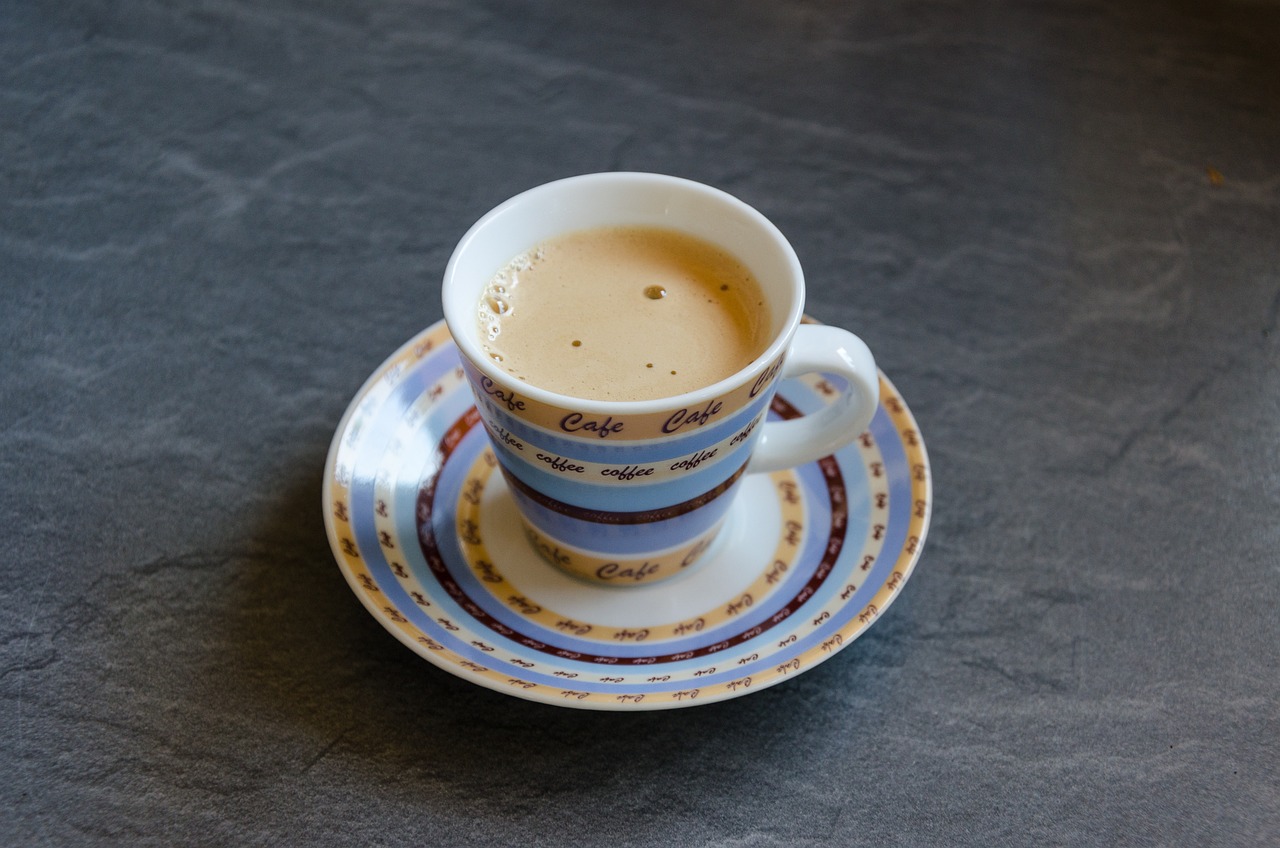
Cuban coffee, or café cubano, is a shot of strong dark-roast espresso sweetened during the brew so the sugar and coffee whip into a pale, frothy crema on top. That foam is the espumita, and it’s the difference between “I dumped sugar in my espresso” and the real deal. It’s served small, sweet, and bracing — usually in a 2 to 3 ounce cup, often shared.
A quick myth-bust, because the internet keeps getting this wrong: you do not need a true espresso machine, and the device most Cuban households use is a stovetop moka pot, not a “cremera.” The cremita (or creamera) is just the little cup you whip the sugar in. Two different things, and now you know both.
A Quick History (Because Context Tastes Good)
Coffee arrived in Cuba in the mid-18th century, largely with French colonists fleeing Haiti, and the island’s mountain regions turned out to be excellent growing country. The strong, sweetened, foam-topped style we now call café cubano took its modern shape in the 20th century, riding the espresso wave out of Italy and getting reinvented with one Cuban twist: whipping the sugar right into the first drops of coffee. When Cuban families settled in Miami and beyond, the ventanita walk-up window came with them — and that’s how a tiny sweet shot became a whole social ritual.
Equipment and Ingredients You’ll Need
Keep it simple. This is a five-item operation and most of it is already in your kitchen.
- A stovetop moka pot — a 3-cup or 6-cup is the sweet spot for home. (This is the “stovetop espresso maker” people mean. See more options in our guide to brewing equipment.)
- Dark-roast, finely ground coffee — espresso grind. Cuban brands like Café Bustelo or La Llave are classic, but any good dark roast works. (Picking beans? Start with our guide to choosing coffee beans.)
- White granulated sugar — about 1 to 2 teaspoons per espresso-sized serving, to taste. Demerara or brown sugar work too.
- A small metal cup (the cremita) plus a spoon for whipping the espumita.
- Demitasse cups — small ones. This is a sipping shot, not a mug-filler.
The Science Behind the Espumita
Here’s why the technique works, because once you get it you’ll never mess it up again. The moka pot uses steam pressure to push hot water up through fine, packed grounds, extracting a concentrated, espresso-like coffee. Those first dark drops that sputter out are the most intense and oil-rich of the whole brew — and that’s exactly what you grab.
When you beat that small amount of hot, oily coffee into granulated sugar, the sugar starts to dissolve while the friction and air you whip in create thousands of tiny bubbles. The coffee’s natural oils stabilize that foam, so it holds its shape. Pour the rest of the hot coffee over the resulting pale paste and the espumita floats up and crowns the cup. No dairy, no machine — just sugar, coffee oils, and elbow grease.
How to Make Cuban Coffee: Step by Step
- Fill the base with cold, fresh water — up to (not over) the safety valve on a moka pot. Cold, clean water matters; if your tap tastes off, your coffee will too.
- Add the grounds. Fill the funnel basket to the top with finely ground dark roast and level it off. Do not tamp it down hard — a moka pot is not an espresso machine, and packing it tight can clog the brew and build dangerous pressure. Just level, don’t press.
- Measure your sugar. Put 1 to 2 teaspoons of sugar per serving into your small metal cup. For a 3-cup moka pot, start with about 2 to 3 teaspoons total and adjust next time.
- Brew over medium heat. Assemble the pot, lid up, and set it on medium — not blasting high. You want a steady percolation, not a violent one.
- Catch the first drops. The moment the first dark coffee sputters out (the “first pour”), spoon about a teaspoon of it into your sugar. Pull the pot off the heat for those few seconds if you need to — you only need a little.
- Whip the espumita. Beat the sugar and coffee together hard with the back of your spoon, pressing it against the cup wall, for 30 to 60 seconds. It’ll go from dark liquid to a thick, pale, caramel-colored paste. That’s your foam base.
- Finish the brew. Return the pot to the heat and let it finish. Pull it off the stove the second it starts to gurgle and sputter — that hiss means the water’s gone and the coffee will scorch if you keep going.
- Combine. Slowly pour the hot coffee into your cup of espumita paste. The foam rises and folds in. Give it a gentle stir.
- Serve immediately in small cups, with that pale crema on top. Sip, don’t gulp. You earned it.
Video Tutorial
Want to see the whipping motion in action? Here’s a quick video walkthrough:
Pro Techniques for the Best Results
- Grind fine, not coarse. This is the big one the old recipes get wrong. Moka and Cuban coffee want a fine, espresso-style grind for full extraction. Coarse grounds give you weak, watery coffee — here’s why your coffee tastes watery and how to fix it.
- Use the very first drops. Only the initial, most concentrated pour makes good espumita. Wait too long and the coffee’s too thin to foam.
- Don’t walk away. Moka pots go from “perfect” to “burnt” in seconds. Stay at the stove and pull it the instant it gurgles.
- Pre-heat your water if you can. Starting with hot water in the base shortens the time the grounds sit cooking against the metal, which keeps the flavor cleaner.
- Keep your moka pot clean — but skip the soap. Rinse with hot water and dry it. Soap strips the seasoned oils that make each brew better than the last.
Common Mistakes (Do This, Not That)
- Tamping the grounds hard. Don’t. Level them, leave them loose. Packing creates pressure and bitterness.
- Adding sugar to the cup at the end. No espumita that way. The sugar has to be whipped into the first drops, full stop.
- Brewing on high heat. Scorched, bitter coffee. Medium heat, every time.
- Letting grounds end up in the cup. A clogged or overfull basket pushes sediment through — our guide on preventing grounds in your coffee covers the fixes.
Cuban Coffee Ratios: With and Without Milk
Classic café cubano is served black — no milk, just coffee and that sweet foam. But milk is where the family of drinks opens up, and the ratio is the whole personality of the cup:
- Café cubano (cafecito): straight sweetened espresso, no milk. The base everything else is built on.
- Cortadito: roughly 1 part steamed milk to 2 parts café cubano. Small, sweet, a little smoother.
- Café con leche: about equal parts (or more) hot milk to coffee, served in a larger cup — the breakfast drink.
Want a bolder cup? Lean toward less milk. Want it gentle and creamy? Add more. There’s no wrong answer, only your answer. If you like a punchier brew across the board, here’s how to get a stronger coffee flavor.
Lesser-Known Tricks to Level Up the Flavor
- A pinch of salt in the grounds before brewing tames bitterness and rounds out the sweetness. A tiny pinch — trust me, not a scoop.
- A drop of vanilla whipped into the espumita adds warmth and depth without making it taste like a candle.
- A splash of rum for an adults-only after-dinner version — café cubano was practically built for it.
- Demerara sugar instead of white gives a caramel, almost molasses note to the foam.
Fun Ways to Serve It
Once you’ve nailed the basics, play. Top a cup with a dollop of whipped cream and a dusting of cinnamon or chocolate shavings. Pour a shot over ice for a sweet iced café cubano in summer. Or do the most Cuban thing of all: brew a colada (a big batch poured into one foam-topped cup with a stack of little plastic cups) and pass it around the room. That’s the heart of it — this coffee was always meant to be shared. Serve it in a tiny demitasse, a tacita, or a glass; nobody’s checking your credentials at the door.
Frequently Asked Questions
What is Cuban coffee?
Cuban coffee (café cubano) is a strong, sweet shot of dark-roast dark roast coffee brewed espresso-style and sweetened during the brew, so the sugar and coffee whip into a pale, foamy crema called espumita on top. It’s served small and is traditionally black.
How is Cuban coffee made without an espresso machine?
With a stovetop moka pot. Fill the base with water, the funnel with finely ground dark roast (don’t tamp), and brew on medium heat. Whip the first dark drops into sugar to build the espumita, then pour the rest of the coffee over it. No machine required — just watch out for grounds in your coffee from an overpacked basket.
Should I grind my coffee coarse or fine for Cuban coffee?
Fine. A fine, espresso-style grind gives the full extraction Cuban coffee needs. Coarse grounds make it thin and weak — the opposite of what you want. If your brew comes out watery, the grind is usually the culprit.
How much caffeine is in Cuban coffee?
It’s concentrated, so ounce for ounce it’s strong — but the servings are tiny, so a single cafecito is roughly comparable to a shot of espresso. It is high in sugar, so enjoy it in moderation. Curious about your overall intake? See how much caffeine is in a cup of coffee.
What are the variations of Cuban coffee?
- Colada: a large batch served in one foamy cup with small cups to share.
- Cortadito: a small café cubano cut with a little steamed milk.
- Café con leche: roughly equal parts coffee and hot milk, the breakfast version.
Where can I buy Cuban coffee beans?
Most Latin American grocery stores carry classic Cuban-style dark roasts like Café Bustelo or La Llave, and they’re widely available online too. Any quality dark roast will do — here’s how to pick the best-tasting coffee for your setup.
Summary
That’s the whole secret: fine grind, medium heat, and the nerve to whip the first drops of coffee into your sugar until it turns pale and thick. Do that and you’ll have espumita that would make a Miami abuela nod in approval. It’s fast, it’s cheap, and it tastes like a little jolt of joy in a tiny cup.
So grab your moka pot and give it a go — and if you want more ways to up your home game, here’s how to make the best coffee at home. Brew a colada, pass the little cups around, and share it with somebody. That’s the most Cuban part of all.