On this page
Turkish coffee is one of the few coffees on Earth where you don’t filter anything out. No paper, no metal mesh, no plunger. You grind the beans to dust, simmer them low and slow in a little long-handled pot, and pour the whole thing — grounds and all — into a tiny cup. It’s the oldest brewing method still in daily use, it’s UNESCO-recognized cultural heritage, and it is gloriously hard to mess up once you know the three things that actually matter.
This guide gives you the real deal: the exact grind, the coffee-to-water ratio that works, the temperature and timing that build that signature foam (the kopuk), a clean step-by-step you can follow on your first try, and the mistakes that turn a velvety cup into bitter sludge. By the end you’ll be making Turkish coffee that tastes like it came off a stovetop in Istanbul — not a sad, gritty experiment you quietly pour down the sink.
What Makes Turkish Coffee Different
Turkish coffee — türk kahvesi — is unfiltered coffee brewed in a small pot called a cezve (also spelled ibrik or jezve). The grounds are powder-fine, the cup is tiny, and the brew is thick, intense, and topped with foam. It’s the parent method behind Greek, Armenian, Bosnian, and Arabic coffee traditions, with regional tweaks but the same DNA.
What sets it apart from your morning drip:
- The grind is finer than espresso. We’re talking powdered-sugar fine. This is non-negotiable, and it’s why a regular grinder usually can’t do it.
- You never filter. The grounds settle in the cup. The bottom inch is sediment you don’t drink — that’s the whole design, and yes, it’s also what you read your fortune in.
- It’s brewed below boiling. Turkish coffee that actually boils is Turkish coffee that’s burnt. You’re chasing foam, not a rolling bubble.
- Sugar goes in during brewing, not after. You decide sweetness before it hits the heat, because you’re not stirring a cup with sediment at the bottom.
If you’ve already tried the version in our invigorating Turkish coffee experience walkthrough, think of this page as the precise, by-the-numbers companion — grind size, ratios, temps, and troubleshooting, all in one place.
What You’ll Need
- A cezve — the small, long-handled copper or brass pot. Pick one sized close to how many cups you’re making; a half-full cezve foams better than a barely-filled one.
- Extremely fine coffee — finer than espresso, like flour or powdered sugar.
- A demitasse cup (about 60–80 ml / 2–2.7 oz) for each serving.
- Cold, fresh, filtered water. Water is most of the cup, so it matters more than you think — here’s how water quality changes your coffee.
- A teaspoon for measuring and a quick early stir.
- Sugar (optional) and a small sweet on the side — Turkish delight is classic.
The Three Pillars: Grind, Brew, Serve
Every cup of Turkish coffee comes down to three moves done right. Nail these and you’re golden; rush any of them and you’ll taste it.
1. The Grind: Finer Than You Think
This is where most people fail before they even turn on the stove. The journey to a perfect cup of Turkish coffee starts with a grind so fine it feels like flour between your fingers. Espresso-fine is not fine enough. If your grounds have any grit, keep going.
Medium-roast coffee beans are the traditional choice — usually Arabica, sometimes a touch of robusta for extra body and foam. Grind right before brewing for the best aroma; pre-ground “Turkish coffee” from a tin works in a pinch, but fresh wins every time.
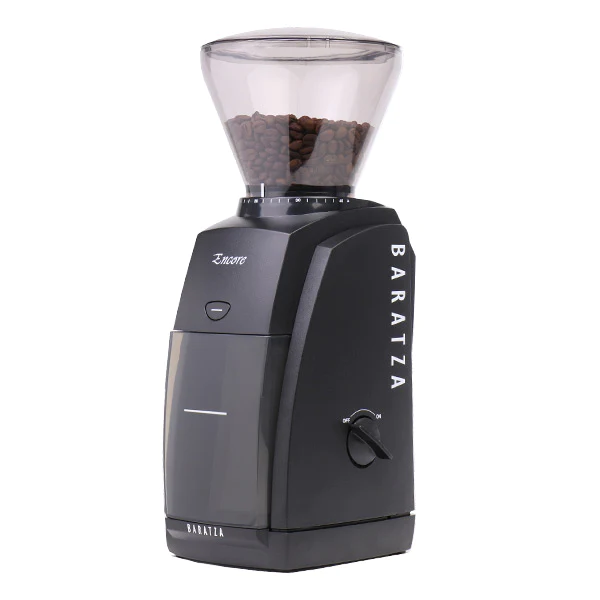
Reality check on grinders: most home burr grinders don’t go fine enough for true Turkish coffee, even on their lowest setting. A dedicated Turkish hand mill, a spice/blade grinder run long, or a high-end electric burr grinder matched to your brewing method will get you there. When in doubt, buy authentic pre-ground Turkish coffee and skip the heartbreak.
2. The Brew: Low Heat, No Boil
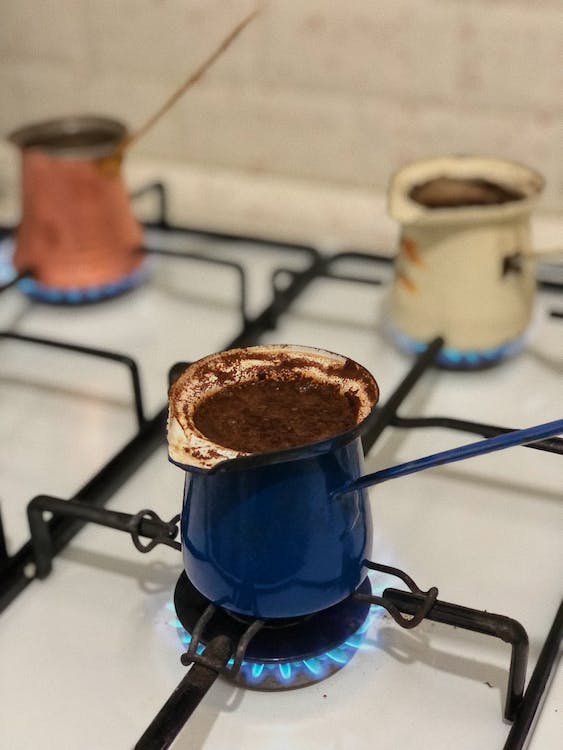
Now the cezve. This little long-handled pot does real work — its narrow neck traps heat and channels that thick, prized foam to the surface.
Here are the numbers that matter. Measure water by the cup you’ll serve in: fill the demitasse with cold water and pour it into the cezve, one cup per serving. Add 1 heaping teaspoon of coffee per cup — roughly 7 grams, or about a 1:10 coffee-to-water ratio. Add sugar now if you want it: none for sade (plain), one level teaspoon for orta (medium), two for şekerli (sweet).
Stir gently once, off the heat, just to wet all the coffee grounds and dissolve the sugar. Then set the cezve over low heat and leave the spoon alone — stirring after this point destroys the foam.
Over the next 3–4 minutes, watch closely. The coffee grounds sink, the surface darkens, and a creamy foam climbs the neck of the pot. The instant that foam rises and is about to crest the rim — well before any real boil — pull the cezve off the heat. If it boils over, the foam’s gone and the coffee’s bitter. You want quiet bubbles and rising foam, never a churning boil. Want it stronger or milder next time? Tweak the dose using our notes on adjusting coffee strength.
3. The Serve: Foam First, Sediment Last
The foam — kopuk — is the badge of a well-made cup, so distribute it like it’s precious, because it is.
Spoon a little foam into each demitasse first, splitting it evenly. Then pour the coffee slowly down the side of each cup so you don’t drown the foam. For the deepest flavor, you can return the cezve to the heat briefly to let the foam build a second time before the final pour — a richer result, the traditional way.
Now let the cup rest 1–2 minutes so the fine grounds settle to the bottom. Serve with a glass of cold water (to cleanse the palate first) and something sweet on the side. Sip slowly from the top — and stop before you reach the muddy sediment at the bottom. That last layer isn’t a drink; it’s the canvas for fortune-telling. This whole unhurried ritual is part of the cultural significance that makes Turkish coffee more than caffeine.
How to Make Turkish Coffee: Step-by-Step Guide
Here’s the whole thing start to finish. Read it once, then go make a cup.
1. Grind the Coffee Beans to Powder
Grind fresh coffee beans to a powdered-sugar consistency — finer than espresso, no grit. A Turkish hand mill or dedicated fine grinder is ideal. Store your beans well so they’re fresh when you grind; here’s how to properly store coffee beans so they don’t go stale on you.
Tip: Experiment with different coffee bean varieties to find your favorite. A medium roast is the classic starting point.
2. Measure Water, Coffee, and Sugar
Measure cold, filtered water using the demitasse cup — one cupful per serving — and pour it into the cezve. Add 1 heaping teaspoon (about 7 g) of coffee per cup, plus sugar to taste (0 for plain, 1 for medium, 2 for sweet).
Tip: Use filtered water for the cleanest taste, and don’t overfill the cezve — keep it half to two-thirds full so the foam has room to climb.
3. Stir Once, Then Slow-Brew on Low Heat
Stir gently one time, off heat, to wet the grounds and dissolve the sugar. Place the cezve over low heat and do not stir again. Over 3–4 minutes, let the foam slowly rise. The moment it nears the rim — before it boils — lift it off the heat.
Tip: For extra-foamy results, you can let it rise, remove from heat to settle, and return it once or twice. Never let it reach a full rolling boil — that’s the line between rich and burnt.
4. Serve, Rest, and Sip
Spoon foam into each demitasse cup, then pour the coffee slowly down the side to keep that foam intact, dividing it evenly. Let it sit 1–2 minutes for the grounds to settle. Serve with a glass of water and a sweet like Turkish delight.
Tip: Sip slowly from the top and stop before the sediment. Turkish coffee is meant to be lingered over, not slammed.
5. Conversation and Fortune-Telling (Tasseography)
Turkish coffee is a social ritual as much as a drink. Linger over it with people you like. And if you’re feeling playful, try tasseography — reading the grounds.
To do it the traditional way: when the cup’s nearly empty, place the saucer on top, flip the cup upside down, and let the grounds run down the inside as it cools. Turn it back over and read the shapes — a bird for good news, a road for a journey, and so on.
Tip: Use the leftover coffee grounds at the bottom of the cup to read the symbols and patterns that may reveal insights about your future. Remember, it's all in good fun!
Follow these steps and you’re fully in the world of Turkish coffee rituals — rich history and cultural significance in every tiny cup. Gather your people and pour.
Common Mistakes to Avoid
Most “bad” Turkish coffee comes from one of these. Skip them and you’re most of the way to a great cup:
- Grind too coarse. If you can feel grit, it’s not fine enough. Grit means gritty coffee and weak foam.
- Letting it boil. Boiling kills the foam and turns everything bitter. Low heat, pull it the moment foam nears the rim.
- Stirring after it heats. One early stir, off heat — that’s it. Stirring on the heat collapses the kopuk.
- Pouring too fast. A fast pour buries the foam. Go slow down the side of the cup.
- Not letting it rest. Drink too soon and you get a mouthful of grounds. Give it a minute or two.
- Adding sugar at the table. There’s no clean way to stir a cup full of sediment — sweeten during the brew.
Turkish Coffee vs. Espresso: Quick Comparison
People lump these together because both are small and strong. They’re not the same animal:
- Method: Turkish coffee is simmered in a cezve and unfiltered; espresso is pressure-extracted through a puck in seconds.
- Grind: Turkish is finer (powder); espresso is fine but still slightly gritty by comparison.
- Texture: Turkish is thick with sediment at the bottom; espresso is filtered and topped with crema.
- Caffeine: A demitasse of Turkish coffee and a single espresso are roughly in the same ballpark per serving, though it depends on dose and beans.
Frequently Asked Questions
What grind size do I need for Turkish coffee?
Powder-fine — finer than espresso, closer to flour or powdered sugar. If you can feel any grit between your fingers, it’s too coarse. Most standard home burr grinders can’t reach this fineness, so a dedicated Turkish mill or authentic pre-ground Turkish coffee is often the easiest route.
Can I make Turkish coffee without a cezve?
Yes, in a pinch. Use the smallest saucepan or butter warmer you own and the same ratios — about 1 heaping teaspoon of very fine coffee per demitasse of cold water, over low heat. You’ll get less of that classic neck-trapped foam, but the flavor will be there. A real cezve is cheap and worth it if you make it often.
What is the right coffee-to-water ratio?
About 1 heaping teaspoon of coffee (roughly 7 grams) per demitasse cup of water — close to a 1:10 ratio. Measure the water with the cup you’ll actually serve in so the cezve isn’t overfilled and the foam has room to rise. Adjust the dose up or down to taste.
When do I add sugar?
During brewing, not after — there’s no good way to stir sugar into a cup with grounds settled at the bottom. Add it to the cold water with the coffee: none for plain (sade), one teaspoon for medium (orta), two for sweet (şekerli).
Do you drink the grounds in Turkish coffee?
No. The fine grounds settle into a thick layer at the bottom of the cup. Sip slowly from the top and stop when you reach that muddy sediment — it’s not meant to be swallowed (and traditionally it’s saved for reading your fortune).
Make It a Ritual, Not a Rush
Turkish coffee rewards exactly two things: a fine grind and your patience over a low flame. Get those right and the rest — the foam, the velvety body, the little cup that makes you slow down — falls into place.
So grind it fine, keep the heat low, pour the foam like it matters, and let the cup rest before you sip. That unhurried little cup, shared, is the whole point. If you’ve caught the bug for coffee traditions with this kind of soul, wander over to our guide on authentic Yemeni coffee