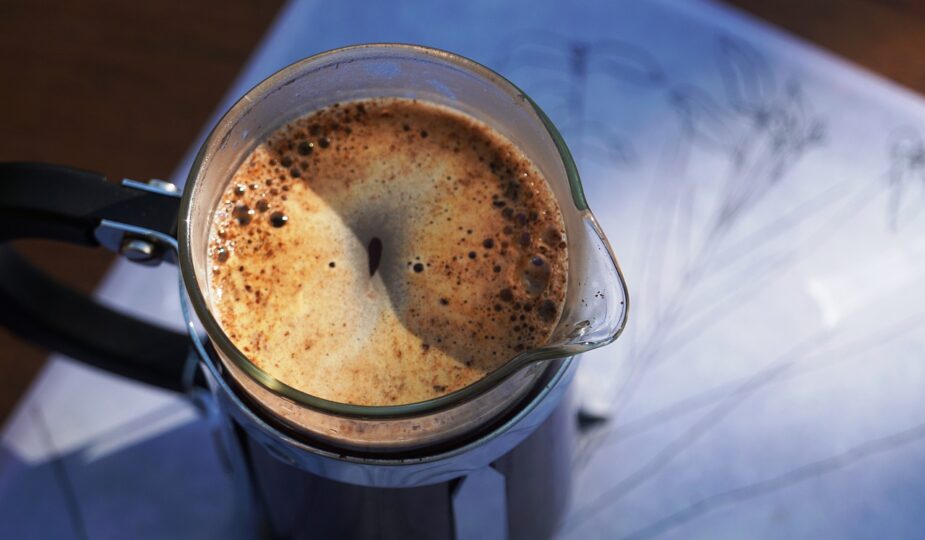
Making Espresso in a French Press: Yes, You Can!
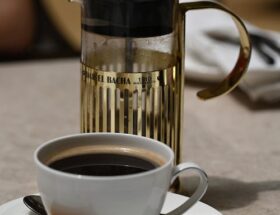
Let’s settle a delicious little argument right now: you do not need a $700 machine to pull a punchy, espresso-style shot. You need a French press, good beans, and a willingness to break a couple of “rules.” If you’ve been eyeing that gleaming chrome espresso setup and wincing at the price tag, stick with me. Grab your favorite coffee beans, dust off that press hiding in the back of your cabinet, and let’s make something bold.
Now, full honesty before we start, because you deserve it: a French press cannot generate the 9 bars of pressure a real espresso machine uses, so you won’t get a thick golden crema or a perfectly pulled ristretto. What you will get is a concentrated, syrupy, intensely flavored cup that drinks like espresso, anchors a killer latte, and costs you almost nothing extra. That’s a win in my book.
Step by Step Espresso in a French Press
Espresso, with its rich flavor and velvety body, gets treated like the holy grail of coffee, locked behind expensive gear and intimidating dials. Good news: the French press quietly does most of the heavy lifting for you. By tightening up your grind, your ratio, and your timing, you can coax a genuinely espresso-like concentrate out of that humble plunger. Below is the full walkthrough for espresso in a French Press, step by step, with the little details that actually move the needle. Let’s elevate your coffee game.
What You’ll Need
Before we brew, line up your kit. Nothing here is fancy, and most of it is already in your kitchen:
- A French Press (a smaller 12 oz / 350 ml press concentrates better than a giant 8-cup one)
- Freshly roasted coffee beans, preferably a dark or espresso roast for that classic bittersweet punch
- A burr grinder (a burr grinder gives you even particles; a blade grinder makes dust and boulders, and you’ll taste the difference)
- A kettle, gooseneck if you have one for pour control
- A timer (your phone is fine)
- A scale (optional, but it turns “pretty good” into “repeatable and great”)
- Filtered water, because roughly 98 percent of your cup is water and chlorinated tap water tastes like, well, chlorine
The Brewing Process
Everything ready? Good. Here’s how to pull it off, and yes, the order matters.
- Measure and grind. For an espresso-style concentrate, go strong with roughly a 1:10 coffee-to-water ratio, so about 20 grams of beans to 200 grams of water for a generous single serving. Grind finer than you would for a normal French press, somewhere between table salt and fine sand. Too fine and you’ll choke the plunger and over-extract into bitterness; too coarse and you’ll get weak, watery sadness.
- Preheat the press. Fill the empty French press with hot water and swirl it around for 20 to 30 seconds. Warming the glass keeps your brew temperature stable instead of letting cold glass steal precious heat the moment your water hits.
- Dump the preheat water. Tip out that warming water and add your ground coffee to the now-toasty empty press.
- Bloom, then pour. Heat water to just off the boil, 195 to 205 F (90 to 96 C). Pour just enough over the grounds to saturate them, give it 30 seconds to bloom (you’ll see it puff up and release CO2), then pour the rest in a slow circular motion for even saturation. Leave a small gap at the top so you don’t overflow when you plunge.
- Steep. Rest the plunger on top without pressing, set your timer for four minutes, and walk away. This is where the flavor deepens. Tame it to three minutes for something milder, push to four and a half for a bigger, bolder cup.
- Press and pour. When the timer sings, press the plunger down slowly and steadily. If it slams down with no resistance, your grind was too coarse; if you’re fighting it like a gym set, too fine. That gentle pressure separates grounds from liquid and gives you a concentrated, robust pour. Decant into your cups.
- Sip and tweak. Congratulations, you just made espresso-style coffee in a French press. Drink it straight, stretch it into a latte, or sweeten to taste. Then change one variable next time, grind, ratio, or steep, and chase your perfect cup.
See? Making espresso in a French Press isn’t the dark art it’s made out to be. With the right grind and the process above, you get bold, espresso-like coffee without remortgaging the house for a machine. Wave goodbye to the daily coffee-shop tab and hello to your own barista era.
Dialing It In: Common Mistakes to Avoid
If your first cup tastes off, don’t blame the method, blame one of these usual suspects. Fixing them is what separates a muddy mug from a genuinely great one.
Grinding Wrong (or in Advance)
The single biggest variable is your grind. Pre-ground supermarket coffee is almost always too coarse for this and has been stale since the bag was sealed. Grind fresh, right before you brew, and aim finer than your normal press grind. Coffee starts losing its best aromatics within minutes of grinding, so timing genuinely matters.
Water That’s Too Hot (or Too Cold)
Boiling water straight off the kettle scorches the grounds and drags out harsh, bitter notes. Let it sit 30 seconds off the boil to land in that 195 to 205 F sweet spot. Too cool, on the other hand, and you’ll under-extract into something sour and thin. A cheap thermometer pays for itself fast.
Plunging Like You’re Mad at It
Slamming the plunger forces fine particles through the mesh and into your cup, giving you sludge and over-extracted bitterness. Press slow and steady, and once it’s down, pour promptly. Coffee left sitting on the grounds keeps extracting and turns bitter, so don’t let it lounge in the press.
Frequently Asked Questions
1. Can I Make Espresso in a French Press?
Yes, absolutely. While French presses are built for steeping coffee, a finer grind, a tight ratio, and a controlled plunge give you a rich, strong, espresso-like concentrate. It won’t carry the crema or the exact body of a true machine shot, but for espresso lovers without a machine, it’s a fantastic stand-in that gets you most of the way there.
2. What is the Difference Between French Press Coffee and Espresso?
The difference comes down to method and the flavor it produces. French press coffee steeps coarsely ground beans in hot water for a few minutes, immersion style, giving you a full-bodied, rounded cup. Espresso forces hot water through finely ground coffee under roughly 9 bars of pressure in seconds, producing a concentrated, intense shot with crema on top. Our French press espresso borrows the intensity by going finer and stronger, even without the pressure.
3. How Do I Make Espresso in a French Press?
Here’s the short version:
- Grind fresh beans to a fine consistency, finer than usual for a press.
- Add the grounds to your preheated French press.
- Boil water and let it cool about 30 seconds to hit 195 to 205 F (90 to 96 C).
- Pour a splash over the grounds and let it bloom for 30 seconds.
- Gently pour in the rest of the water in a circular motion.
- Rest the plunger on top without pressing.
- Steep for three to four minutes.
- Press the plunger down slowly and steadily.
- Pour the concentrate into your cup and enjoy.
4. Can I Use Regular Coffee Beans for Making Espresso in a French Press?
You can. Espresso usually wants a finer grind and often a darker roast, so for the closest result, grind your regular beans as finely as your burr grinder allows and reach for a dark roast if you have one. The concentrate won’t perfectly mirror a true espresso’s profile, but it’ll still come out strong, bold, and very drinkable.
5. What Tips Can You Provide for Making the Best Espresso in a French Press?
A few quick ones that punch above their weight:
- Use freshly roasted beans, ideally within a few weeks of the roast date, for the best flavor.
- Grind right before brewing for maximum freshness and aroma.
- Play with the coffee-to-water ratio, starting around 1:10, until the strength is yours.
- Preheat the press so your brew temperature stays steady.
- Let the cup rest a minute or two before pouring so any stray grounds settle.
- Dial the steep time up or down to taste, shorter for milder, longer for bolder.
6. Is French Press Espresso Stronger Than Regular Coffee?
By concentration, yes. The tight 1:10 ratio and fine grind pull more dissolved coffee solids into less water, so the result tastes and feels stronger and more syrupy than a standard mug of drip or regular press coffee. It’s meant to be sipped in small servings or stretched with steamed milk, not chugged by the pint.
Wrap Up
And there it is: a bold, vibrant, espresso-style cup pulled straight from your own French press, no four-figure machine required. Game changer, right? This isn’t only about a great cup of coffee. It’s a hands-on, slightly rebellious exploration of aromas and flavors that bloom into a full-on symphony of coffee joy.
To every coffee lover brave enough to take the plunge, literally, congratulations. You’ve leveled up your love of coffee. And the journey doesn’t have to end here.
Join the Conversation
The magic of coffee lives in its endless diversity of methods, beans, and traditions. So go ahead, dear coffee lover, share your wins, your flops, and your questions about this brewing method or anything else coffee that’s on your mind.
For more coffee goodness and brew-tiful insights, swing by Ten Coffees and keep exploring this universe of aroma and taste with us. Life’s far too short for lousy coffee.