Coffee Roasts: A Guide to Light, Medium, and Dark Roasts
Let’s settle something, because the coffee aisle has gotten out of hand. “Light,” “medium,” “dark,” “French,” “breakfast blend” — the bag tells you a roast level like it’s a personality test, and then leaves you to figure out what that actually means in your cup. So here’s the deal: by the time you finish reading, you’ll know exactly what each roast tastes like, how it behaves when you brew it, and which one belongs in your kitchen. No guesswork, no marketing fog. Grab your mug. I’ll walk you through it.
What Coffee Roast Level Actually Means
Roast level is just how long and how hot the green beans got cooked — and that single choice changes everything about flavor. Raw coffee beans are green, grassy, and frankly inedible. Roasting is where the magic happens: heat triggers the Maillard reaction and caramelizes the sugars inside, building all those toasty, sweet, complex flavors you’re actually here for.
Here’s the one piece of jargon worth knowing: first crack. Around 196°C (385°F), the beans audibly pop like tiny popcorn. That pop is the line between “still raw” and “drinkable coffee.” Everything after first crack is the roaster making decisions on your behalf — and the longer they let it ride, the darker and bolder it gets. Want the full chemistry of how heat and time sculpt flavor? I broke it all down in the science of coffee roasting. For today, we’re keeping it practical.
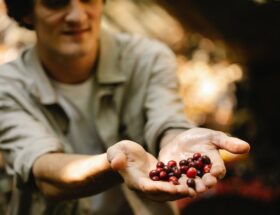
Quick fun fact while we're here: coffee beans are actually the seeds of a fruit. The coffee cherry has two seeds tucked inside, and those seeds are what get roasted into your morning cup. So yes — you're technically drinking toasted fruit pits, and they're delicious.
Light, Medium, and Dark Roast: Flavor and How to Brew Each
Three roast levels, three completely different cups. Here’s what to expect from each — and exactly how to brew it so you’re not fighting the bean.
Light Roast: Bright, Fruity, and a Little Show-Offy
Light roasts are pulled shortly after first crack, around 196–205°C (385–400°F). The beans stay pale tan, dry to the touch, with zero surface oil. Because they spend the least time in the heat, they hold onto the bean’s original personality — origin, altitude, processing, all of it.
What it tastes like: bright, juicy acidity with notes of citrus, berry, stone fruit, or florals. Think tea-like body, crisp finish, and a tang that wakes you up. This is the roast that lets an Ethiopian coffee taste like blueberries and an Ethiopian and Kenyan bean show off.
How to brew it: light roasts are denser, so they want a little more love. Use a pour-over, Chemex, or AeroPress, grind slightly finer than you think, and use water at the top of the range — 200–205°F (93–96°C). Aim for a 1:16 to 1:17 coffee-to-water ratio (about 60g of coffee per liter of water). Under-extract a light roast and it goes sour and grassy fast, so don’t rush the pour.
Medium Roast: The Crowd-Pleaser That Earns It
Medium roasts come off the heat between first and second crack, roughly 210–220°C (410–428°F). The beans turn a richer medium-brown, mostly dry with maybe the faintest sheen. This is the sweet spot where origin character and roast character shake hands.
What it tastes like: balanced and rounded, with caramel, milk chocolate, toasted nut, and brown-sugar sweetness. The acidity softens, the body fills out, and the harsh edges disappear. If you don’t know what you like yet, start here — it’s hard to mess up and it flatters almost any bean.
How to brew it: this is the most forgiving roast you’ll meet. Drip machine, pour-over, French press, espresso — it plays nice with all of them. Water at 200–205°F, a 1:16 to 1:17 ratio for filter, and you’re golden. It’s the “houseguest who gets along with everyone” of coffee.
Dark Roast: Bold, Smoky, and Not Apologizing
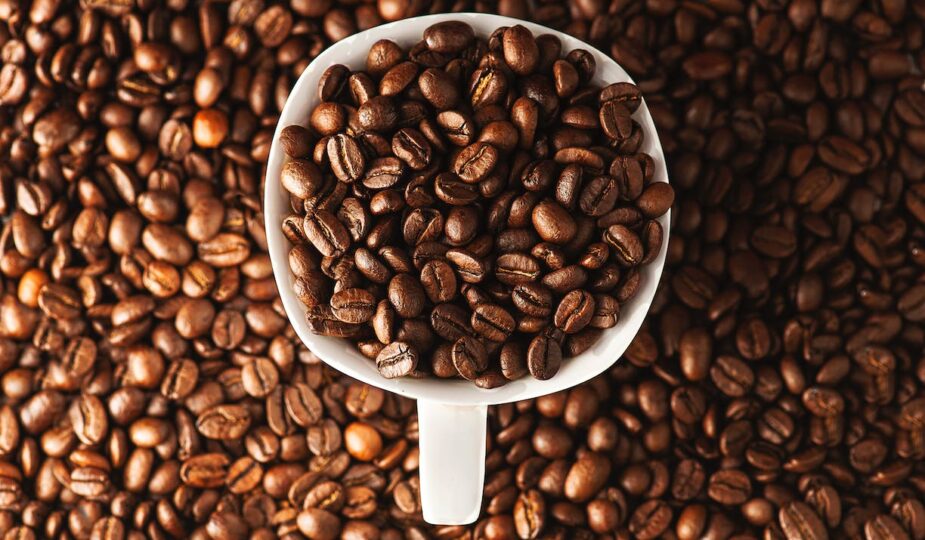
Dark roasts go past second crack, 225°C (440°F) and up. The beans turn deep brown to nearly black and glisten with oils that the heat has pushed to the surface. That shine isn’t freshness — it’s the roast cooking off the bean’s natural acids and sugars and replacing them with deep, roasty, bittersweet flavor.
What it tastes like: full-bodied, low-acid, and intense, with dark chocolate, toasted sugar, smoke, and sometimes a savory or spicy edge. The origin flavors mostly burn away here — what you taste is the roast itself. Bold, heavy, comforting. The roast that built diner coffee and espresso bars.
How to brew it: back the water off to 195–200°F (90–93°C) — dark beans are soluble and fragile, and water that’s too hot tips them into ashy and bitter. French press, espresso, moka pot, and cold brew all love a dark roast. Go a touch coarser on the grind and a hair lower on the ratio (around 1:15) if you want that big, syrupy body. This is also the natural home for a strong, bold Vietnamese coffee.
Light vs. Dark Roast at a Glance
Here’s the cheat sheet, because sometimes you just want the bullet points before your first cup has kicked in:
- Acidity: high and bright in light, mellow in medium, low and round in dark.
- Body: light and tea-like to full and syrupy as you go darker.
- Flavor: fruity and floral (light) to caramel and nutty (medium) to chocolatey and smoky (dark).
- Origin character: loud in light roasts, quiet in dark roasts.
- Surface oil: none on light, faint on medium, shiny on dark.
And let’s kill the biggest myth right now: dark roast does not have more caffeine. By the scoop, dark roast actually has a touch more because the beans lose mass and water as they roast, so more of them fit in your spoon. By weight, light roast edges it out slightly. Either way, the difference is small enough that it shouldn’t drive your choice. I get into the nerdy details in light vs. dark roast caffeine if you want the receipts.
How to Pick the Right Roast for You: A Step-by-Step
Enough theory. Here’s how to actually land on a bag you’ll love, in order:
- Start with how you take it. Drink it black? Roast level matters a lot — go light or medium so you can taste the nuance. Add milk and sugar? A medium or dark will cut through the dairy and hold its flavor.
- Match it to your brewer. Pour-over and Chemex flatter light and medium. French press, espresso, moka pot, and cold brew were practically built for medium-dark and dark.
- Decide what flavor you’re chasing. Want bright and fruity? Light. Want smooth and balanced? Medium. Want bold and chocolatey? Dark. Don’t overthink it.
- Buy small and fresh. Get a 12-ounce bag, not a five-pound sack, until you know what you love. Look for a roast date on the bag and buy within a few weeks of it.
- Take notes, no really. Jot down what you liked and didn’t. Two bags in, you’ll know your roast better than the barista guessing on your behalf.
If you want to go deeper on choosing beans beyond just roast level — origin, processing, freshness — start with my breakdown of the difference between light, medium, and dark roast and then the full factors to consider when selecting coffee beans.
Common Roast Mistakes (and How to Stop Making Them)
I’ve watched a lot of good beans get wasted by small, fixable habits. Here’s where people go wrong:
- Blaming the roast for sour coffee. Sour usually means under-extracted, not “bad beans.” Grind finer or brew a little longer before you give up on a light roast.
- Burning a dark roast with boiling water. Off the boil for 30 seconds. Dark beans don’t need the heat and they’ll punish you with bitterness if you give it to them.
- Thinking shiny beans mean fresh beans. That oil is the roast level, not freshness. A bone-dry light roast can be far fresher than a glistening dark one.
- Storing it wrong. Heat, light, air, and moisture are the enemies. An airtight container in a cool, dark cupboard beats the fridge every time — full rules in how to properly store coffee beans.
- Buying pre-ground and wondering why it’s flat. Coffee starts losing aroma within minutes of grinding. Grind right before you brew, non-negotiable.
Frequently Asked Questions
Which roast is strongest?
Depends what you mean by “strong.” If you mean bold, smoky flavor, dark roast wins easily. If you mean caffeine, it’s basically a tie — and light roast technically has a hair more by weight. Strength in flavor and strength in caffeine are two different things, and the bag rarely tells you that.
Is light or dark roast better for espresso?
Traditionally dark or medium-dark, because they pull a thick, sweet, low-acid shot with forgiving crema. But specialty cafes pull bright light-roast espresso all the time — it’s just less forgiving and needs a dialed-in grinder. If you’re new to espresso, start medium-dark and work your way out.
Why is my light roast sour?
Almost always under-extraction. Light roasts are dense and need hotter water, a finer grind, or a longer brew time to fully open up. Sour means you stopped too soon. Grind finer or extend your brew and that bright acidity turns into the juicy fruit you were promised.
Does roast level affect how long the coffee stays fresh?
A bit. Dark roasts have those surface oils that go rancid faster, so they can stale a touch quicker. Either way, whole-bean coffee is best within three to four weeks of its roast date, and ground coffee within days. Buy in amounts you’ll actually drink while it’s fresh.
What roast should a beginner buy?
Medium roast, every time. It’s the most forgiving across brew methods, it tastes good with or without milk, and it gives you a balanced baseline to judge everything else against. Once you know how medium tastes in your kitchen, branch out to light and dark to find your edges.
Now Go Brew Something You Love
Here’s the truth nobody selling you coffee will say plainly: there’s no “best” roast, only the one that fits how you drink and how you brew. Light to wake up your palate, medium to keep the peace, dark when you want something that hugs you back. Try one of each over the next month, pay attention, and let your own mug do the deciding. That’s the whole game.
Want to keep going? Here are a few of my favorite guides to pair with your new roast knowledge:
- TenCoffees.com
- How to Vietnamese Coffee: The Strong, Bold Coffee
- How to Hario V60: The Ultimate Guide to Making Perfect Coffee
- How to Siphon Coffee: The Slow and Elegant Way to Brew a Perfect Cup