On this page
Your coffee maker died, you’re in a cabin with one questionable kettle, or you simply forgot to pack the gadget that runs your entire morning. Don’t panic, and definitely don’t settle for gas-station sludge. You can make genuinely good coffee with nothing but hot water, ground beans, and a little nerve. Here you’ll get five no-machine methods, each with the exact ratio, grind, water temperature, and steep time you need, plus the rookie mistakes that turn a fine cup into a bitter one. By the end you’ll have a backup brewing plan for every situation, from a campsite to a hotel room to a Tuesday when the carafe simply gave up on life.
The Two Rules That Make Any No-Machine Method Work
Before we get into the five methods, let’s settle two things that matter more than any equipment you don’t have.
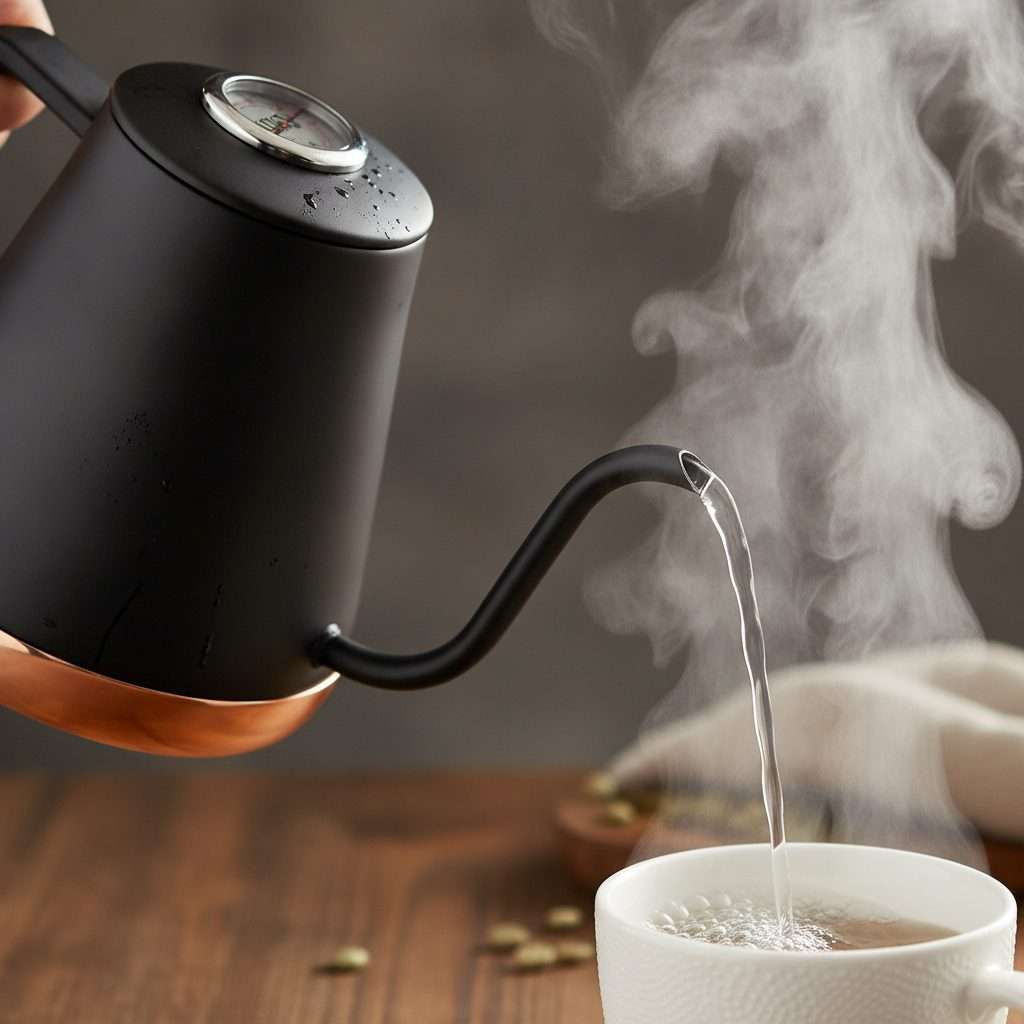
Water temperature. Coffee wants water between 195 and 205°F (90 to 96°C). That’s just off the boil. So when your water hits a rolling boil, pull it off the heat and let it sit for 30 to 45 seconds before it touches the grounds. Boiling water poured straight onto coffee scorches it, and scorched coffee tastes burnt and harsh. This one move fixes half the “no-machine coffee tastes bad” complaints out there.
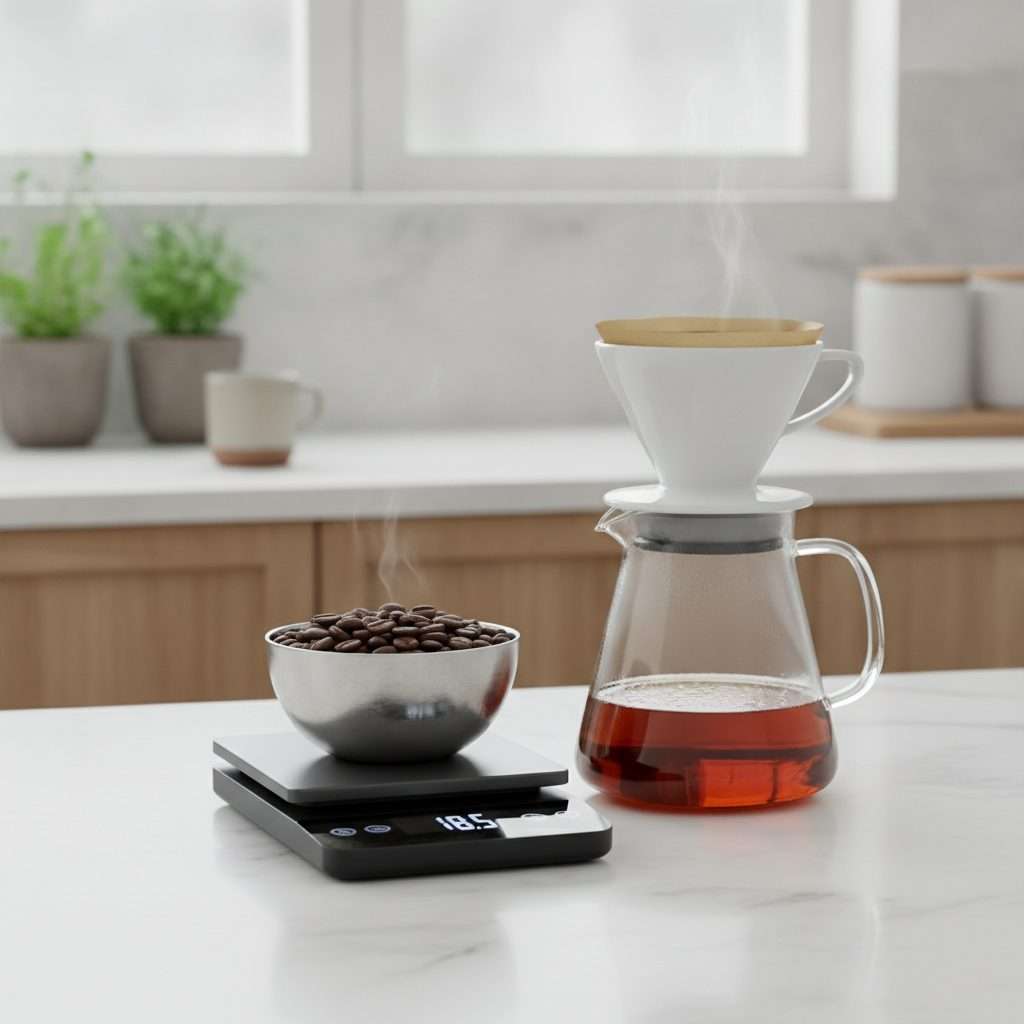
Ratio. A solid starting point is 1 to 2 tablespoons of ground coffee per 6 ounces of water, or if you want to be precise, a 1:16 coffee-to-water ratio by weight (about 15 grams of coffee to 250 grams of water). Stronger? Add coffee, not time. Steeping longer to get more strength just pulls out bitterness. Use fresh, recently roasted beans and grind them right before brewing if you can. As we always say, the coffee beans you choose set the ceiling on how good the cup can be, and no clever hack brews around stale beans.
Got it? Good. Now let’s brew.
Five DIY Methods to Brew Coffee Without a Machine
These five cover just about every “I have no coffee maker” scenario, from the truly bare-bones (a pot and a fire) to the surprisingly refined (a pour-over you rig from a paper towel). Pick the one that matches what’s actually in your hands right now.
1. Cowboy Coffee (a pot, water, and grit)
This is the original no-gear method, the one you reach for in the great outdoors when your only equipment is a pot and a heat source. No filter, no plunger, no excuses. Here’s how to make it taste like coffee and not like a campfire accident:
- Use coarse grounds, the texture of coarse sea salt. Fine grounds turn this into mud.
- Bring your water to a boil in a pot or kettle, then pull it off the heat for 30 seconds.
- Stir in 2 tablespoons of coarsely ground coffee per 8 ounces of water.
- Let it steep 4 minutes. Stir once at the start, then leave it alone.
- Here’s the cowboy trick: sprinkle a few drops of cold water over the top, or gently tap the side of the pot. The cold water and the jolt help the grounds sink to the bottom.
- Pour slowly and stop before you hit the sludge layer at the bottom.
Common mistake: letting it keep boiling with the grounds in. That over-extracts fast and gives you that aggressively bitter, mouth-puckering cup people blame on the method. It’s not the method. It’s the boil. Pull it off the heat.
Fun fact while it steeps: coffee “beans” aren’t beans at all. They’re the seeds of a fruit called a coffee cherry, a little red fruit that resembles a cherry or grape, with two seeds tucked inside. So you’re technically brewing fruit pits. Delicious fruit pits, but still.
2. The Coffee Bag (the cleanest, laziest option)
If you want a clean cup with zero technique, coffee bags are your best friend. They work exactly like tea bags, just filled with grounds instead of leaves, so there’s nothing to settle and nothing to filter:
- Boil water, then let it rest 30 seconds off the heat.
- Drop a coffee bag in your mug.
- Pour the hot water over it slowly so the grounds inside get fully saturated.
- Steep 3 to 4 minutes. Want it stronger? Give it an extra minute or gently bob the bag a few times to keep the water moving.
- Lift the bag out, give it a light squeeze against the side, and drink.
No grounds in your teeth, no cleanup, and you can stash a few in a bag or glove box. If you don’t have store-bought ones, you can DIY a bag with a coffee filter and a bit of cotton string. This is the move for hotel rooms, offices, and anyone who refuses to deal with cleanup before caffeine.
3. The Stovetop Moka Pot (the espresso-style cup)
Have a stovetop and a Moka pot? Then you can brew something rich and concentrated that lands close to espresso without an espresso machine in sight. It’s not technically a machine, it’s just clever metal and steam pressure:
- Fill the bottom chamber with hot (not cold) water, up to the safety valve. Starting with hot water shortens the time on the stove, which keeps the coffee from tasting metallic and bitter.
- Add a medium-fine grind to the filter basket. Fill it level and don’t tamp it down. Packing it tight chokes the flow.
- Screw it together and set it on medium heat. Low and steady beats blasting it.
- When you hear a gurgle and see the top chamber fill with coffee, it’s nearly done.
- As soon as you hear that hissing, sputtering sound, take it off the heat. Running it dry is what burns the brew.
- Pour and enjoy that velvety, concentrated cup. Drink it straight or top with hot water for an Americano-style drink.
A Moka pot is one of the best-value pieces of gear a coffee lover can own: cheap, nearly indestructible, and packable. It’s a worthy upgrade if you find yourself machine-free a lot.
4. The No-Press French Press (full body, no plunger)
Craving the heavy, full-bodied texture of French press coffee but don’t actually own one? You can fake the immersion brew and strain it yourself. The result is a rich cup with that signature heavier mouthfeel:
- Coarsely grind your beans, same texture as cowboy coffee.
- Add 2 tablespoons of grounds per 8 ounces of water to a mug, jar, or small pot.
- Pour in your just-off-the-boil water and give it one stir.
- Steep 4 minutes. A lid or saucer over the top holds the heat in.
- Now strain: pour the coffee through a fine-mesh sieve into your serving cup. No sieve? Layer a paper towel or clean cloth over the mug and pour through that.
Pro move: after the 4-minute steep, skim the crust of floating grounds off the top with a spoon before you strain. You’ll catch most of the silt and your cup will be noticeably cleaner. For more on keeping silt out of your mug, see our guide on preventing grounds in your coffee.
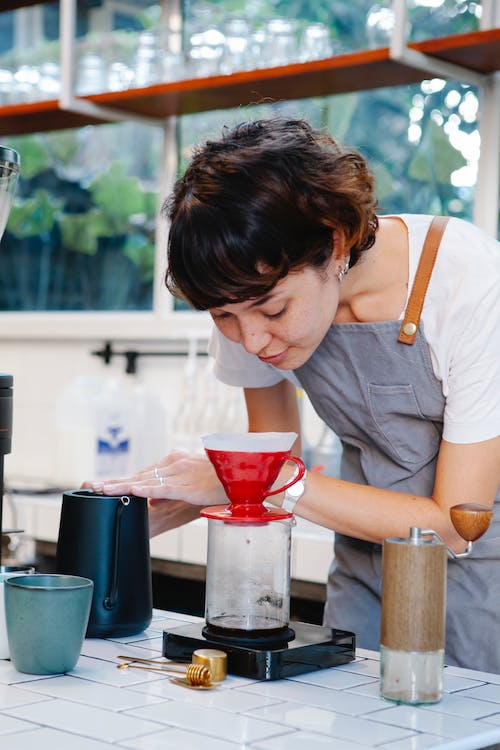
5. The Pour-Over Hack (a clean cup from a paper towel)
For the precision crowd who wants a bright, clean cup but doesn’t have a dripper, you can rig a pour-over from stuff in the kitchen drawer. It sounds like a party trick, but it genuinely works:
- Set a coffee filter, or a folded paper towel, over your mug like a little hammock. Let it dip into the cup but not touch the bottom.
- Secure the edges with a rubber band or a couple of clips so it doesn’t collapse.
- If you’re using a paper towel, rinse it first with a splash of hot water and dump that water out. This kills any papery taste before your coffee ever touches it.
- Add a medium grind, about 2 tablespoons per cup.
- Start with a small pour, just enough to wet all the grounds, and wait 30 seconds. This “bloom” lets trapped gases escape so the water can actually extract flavor.
- Slowly pour the rest in gentle circles, keeping the water level below the rim, until you’ve added all of it.
- Let it finish dripping, lift the filter out, and you’ve got a clean, bright cup.
It won’t match a dedicated dripper for consistency, but with the bloom step and a slow pour, it’s shockingly close. This is the method to reach for when you want clarity and a little ritual instead of a heavy, muddy cup.
How to Choose the Right Method for Your Situation
Quick cheat sheet so you’re not scrolling back up:
- Camping or only a pot and fire: Cowboy coffee. For the full outdoor setup, our guide to brewing coffee while camping goes deeper.
- Hotel room, office, or zero cleanup: Coffee bag.
- You want strong, espresso-style coffee: Moka pot.
- You want a heavy, full-bodied cup: No-press French press.
- You want a clean, bright cup with some ritual: Pour-over hack.
And the through-line for all five: the brewing method shapes the cup, but the beans decide how good it can get. Match a fresh, well-chosen bean to your method and even the scrappiest setup punches way above its weight. If you want to dial in your everyday routine too, our walkthrough on making the best coffee at home pairs nicely with any of these.
Frequently Asked Questions
What grind size should I use if I don’t have a grinder?
If you can, buy pre-ground coffee matched to your method: coarse for cowboy and French-press style, medium for pour-over, medium-fine for a Moka pot. No grinder and only whole beans? You can crush them coarsely in a sealed zip bag with a rolling pin, a heavy mug, or the bottom of a pot. It won’t be perfectly even, but coarse-and-uneven beats fine-and-bitter for the no-machine methods here.
How do I brew coffee with no filter at all?
Cowboy coffee is your answer. Steep coarse grounds directly in hot water, then settle them with a few drops of cold water and pour slowly off the top. If you want it cleaner, strain through any fine mesh you have, like a tea strainer or even a clean sock or cloth napkin in a pinch. A folded paper towel also works as an emergency filter for the pour-over hack.
Can I make coffee with just a microwave?
Yes. Microwave a mug of water until it’s hot but not violently boiling (stop it just before the boil to avoid scorching), then use it for the coffee bag, no-press French press, or pour-over hack. Stir grounds into the hot water, steep about 4 minutes, and strain. It’s the dorm-room and break-room classic for a reason.
My no-machine coffee always tastes weak or bitter. What am I doing wrong?
Two usual suspects. Weak coffee means too little ground coffee, so add more grounds rather than steeping longer. Bitter coffee almost always means water that was too hot or steeped too long, so let your boil rest 30 seconds and stick to a 4-minute steep. Get the ratio and the temperature right and the rest falls into place.
Which no-machine method makes the best-tasting coffee?
For a clean, nuanced cup, the pour-over hack wins. For richness and body, it’s the Moka pot or the no-press French press. Cowboy coffee is the most rugged and forgiving when you have nothing else. There’s no single “best,” only the best for what’s in your hands right now and the flavor you’re chasing.
The Bottom Line
A dead coffee maker is a minor inconvenience, not a crisis. Master these five no-machine brewing methods and you’ll always have a way to make a real cup, whether you’re at a campsite, a hotel, or just standing in a kitchen that betrayed you this morning. Nail the basics, off-the-boil water and the right ratio, then pick the method that fits the moment.
And remember, the beans do the heavy lifting. Play with different roasts and origins until you find the one that makes you close your eyes on the first sip. If you’d rather just buy the right gear so you never have to improvise again, start with our roundup of the best coffee makers. Either way, you’re covered.
Further Reading:
- How to Brew Vietnamese Coffee: The Strong & Bold Coffee
- How to Hario V60: The Ultimate Guide to Making Perfect Coffee
- How to Siphon Coffee: The Slow and Elegant Way to Brew a Perfect Cup
- How to Aeropress: The Ultimate Guide to Making Amazing Coffee at Home
- How to Turkish Coffee: An Invigorating Coffee Experience