
Top Coffee Producing Country in 2024
Let’s settle this right now: the country that grows the most coffee on Earth isn’t some far-flung mystery. It’s Brazil, and it isn’t close. In 2024 Brazil produced roughly 3.98 million metric tons of coffee—about a third of every bean harvested on the planet. So that bag in your cupboard? Statistically, a big chunk of it has a Brazilian accent.
But “who’s number one” is the boring question. The interesting part is why Brazil wins, who’s nipping at its heels, and—here’s the part most listicles skip—what any of it actually means for the cup you’re drinking tomorrow morning. Stick with me and you’ll get the real 2024 rankings, the reasons behind them, and how to use this to buy better coffee. Let’s get into it.
The Top Coffee Producing Country in 2024: Brazil, By a Mile
Brazil has been the world’s biggest coffee producer for over 150 years, and 2024 didn’t change the story. According to USDA estimates, Brazil grew around 69.9 million 60-kilogram bags—roughly 38% of global supply. To put that in human terms: if the world’s coffee were a dinner party, Brazil brought more than a third of the food.
What makes Brazil so dominant isn’t luck. It’s a combination of things most countries can’t match all at once:
- Sheer land. Coffee-growing states like Minas Gerais, São Paulo, and Paraná cover enormous, gently rolling terrain that’s perfect for large-scale farming.
- Mechanization. Brazil’s flatter plantations let farmers harvest by machine instead of by hand, which keeps costs down and volume up. Most other origins pick every cherry by hand on steep hillsides.
- Both bean types. Brazil grows Arabica (the sweet, nuanced one) in the highlands and Robusta—locally called Conilon—in warmer Espírito Santo. That two-lane setup means it serves both the specialty crowd and the instant-coffee giants.
- Infrastructure. Ports, roads, research institutes, and a century of know-how. Coffee isn’t a side hustle here; it’s national.
The flavor calling card? Brazilian beans tend toward chocolate, nut, and a soft, low-acid roundness. That’s exactly why they’re the backbone of so many espresso blends—they give you body and crema without screaming for attention. If you want to taste it solo, read up on Brazilian coffee’s unique flavors before you brew.
The Full 2024 Ranking: The Countries Behind Brazil
Number one is settled. The race for everything else is where it gets fun. Here’s how the global leaderboard shook out in 2024, by approximate production volume:
- Brazil — ~3.98 million metric tons (about 38% of the world’s coffee).
- Vietnam — ~1.81 million metric tons. The undisputed king of Robusta and the engine behind most of the world’s instant coffee.
- Colombia — ~12.4 million bags. The gold standard for washed Arabica, bright and clean.
- Indonesia — ~10.9 million bags. A sprawling archipelago of Robusta plus distinctive Arabica from Sumatra and Java.
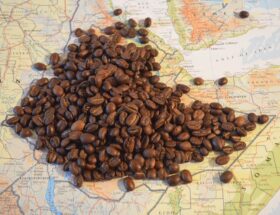
- Ethiopia — ~8.36 million bags. The literal birthplace of coffee, famous for floral, fruity, tea-like cups.
- Uganda — ~6.4 million bags. Africa’s quiet heavyweight and a fast-growing exporter.
- Honduras — ~5.3 million bags. Central America’s biggest producer and a specialty-coffee darling.
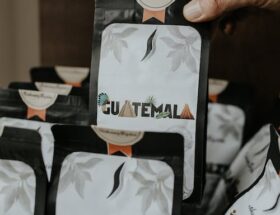
A few honorable mentions round things out—Peru, Guatemala, and India all punch above their weight and show up constantly on specialty menus. Each brings its own flavor profile to the table, which is half the fun of buying single-origin beans. (For the bigger geography lesson, the Bean Belt guide maps out exactly why coffee only grows in that warm band around the equator.)
Vietnam: The Robusta Rocket
Vietnam went from barely a footnote in the 1980s to the world’s solid number two, and it did it on Robusta. Robusta is hardier, higher in caffeine, and more bitter than Arabica—not the stuff of pour-over poetry, but exactly what the instant-coffee and espresso-blend world runs on. Concentrated in the Central Highlands (Dak Lak, Lam Dong), Vietnam’s farms turned a tough bean into a global juggernaut.
Colombia: The Quality Champion
Colombia doesn’t try to out-volume Brazil—it out-classes it. Every bean is Arabica, hand-picked on steep Andean slopes, and washed for that signature clean, bright, caramel-and-citrus cup. Weather swings and aging farms make it a hard living, but the country’s commitment to quality keeps it world-famous. There’s a reason Colombian coffee is so renowned—it’s consistency you can taste.
Ethiopia: The Birthplace of It All
Legend says a goat herder named Kaldi noticed his flock getting frisky after eating red cherries, and the rest is caffeinated history. Ethiopia still grows coffee the old way—often wild or semi-wild, with thousands of native varieties nobody’s even fully cataloged. The payoff is in the cup: jasmine, blueberry, bergamot, flavors so distinctive you’ll swear someone added fruit. If you’ve ever wondered what makes Ethiopian coffee’s quality and flavor so special, it’s that deep genetic diversity.
Why The Rankings Actually Matter For Your Cup
Here’s where most “top producer” articles wave goodbye. Not this one. Knowing where your beans come from is a genuine shortcut to better coffee, because origin is a flavor preview. Use it like this:
- Craving chocolatey, smooth, low-acid coffee? Look for Brazil. It’s also your best friend for milk drinks—the body holds up under steamed milk.
- Want bright, clean, classic “coffee that tastes like coffee”? Reach for Colombia.
- Feeling adventurous and want fruit and florals? Ethiopia, every time.
- Building a punchy espresso or a strong morning jolt? A Robusta-heavy blend (hello, Vietnam) brings caffeine and crema.
One quick myth-bust while we’re here: a darker roast does not mean more caffeine. Roast level barely moves the caffeine needle—the bean variety (Robusta vs. Arabica) matters far more. If that surprised you, dig into how much caffeine is actually in your cup.
How To Buy Coffee By Origin (A Quick Step-By-Step)
- Check the roast date, not the “best by” date. Coffee is freshest 5–21 days after roasting. Anything without a roast date is hiding something.
- Find the origin on the bag. A single country (or even a single farm) tells you what to expect. “Blend” with no origins listed usually means commodity beans.
- Match origin to your mood using the flavor cheat-sheet above.
- Buy whole bean and grind fresh. Non-negotiable. Pre-ground coffee starts losing aroma within minutes.
- Look for fair-trade or direct-trade marks if you want your dollars supporting farmers, not just middlemen.
Once you’ve got great beans, don’t fumble the brew. The right gear genuinely changes the result—our take on which coffee maker makes the best-tasting coffee and our guide to selecting the perfect coffee beans will keep you from wasting good origin on a bad pour. And if you want to chase the ultimate cup, the guide to making espresso at home is where Brazilian and Vietnamese beans really shine.
Will Brazil Stay On Top?
Short answer: almost certainly, for now. Brazil’s lead is so enormous that no single country is positioned to overtake it this decade. But the picture isn’t frozen. Climate change is the wild card—rising temperatures and erratic rainfall threaten Arabica everywhere, including Brazil’s own highlands. Vietnam keeps growing, African producers like Uganda are scaling up fast, and a string of bad-weather harvests anywhere can scramble prices worldwide (which you’ve probably felt at the register lately).
So while the crown isn’t moving soon, the countries fighting for the spots behind it are very much in motion. Watch this space—and watch your grocery bill.
Frequently Asked Questions
Which country is the top coffee producing country in 2024?
Brazil. It produced roughly 3.98 million metric tons of coffee in 2024—about 38% of the world’s total—making it the largest coffee producing nation by a wide margin, as it has been for well over a century.
What are the other major coffee producing countries?
After Brazil come Vietnam (the Robusta leader), Colombia, Indonesia, Ethiopia, Uganda, and Honduras, with Peru, Guatemala, and India close behind. You can see how these origins shape the global coffee production map in our farm-to-cup guide.
Why does Brazil produce so much coffee?
A rare combination: vast suitable land, flat enough terrain to harvest by machine, the ability to grow both Arabica and Robusta, world-class infrastructure, and 150-plus years of accumulated expertise. Few countries have even two of those advantages; Brazil has them all.
Does the top producer make the best-tasting coffee?
Volume and quality are different games. Brazil wins on volume, but “best” depends entirely on your taste. Want bright and clean? Colombia. Fruity and floral? Ethiopia. Smooth and chocolatey? That’s where Brazil shines. Match the origin to the flavor you’re after.
How can I support farmers in these top-producing countries?
Buy from fair-trade certified or direct-trade roasters, or straight from cooperatives when you can. It costs a little more, but more of that money reaches the people actually growing your coffee beans—and it rewards the sustainable farming that keeps these origins alive.
The Bottom Line
Brazil rules the coffee world in 2024, and it’ll likely hold that crown for years. But the magic of coffee was never about who grows the most—it’s about the wild variety packed into that little bean, from chocolatey Brazilian espresso to a blueberry-bright Ethiopian pour-over. Now that you can read an origin like a flavor map, go put it to use. Grab a single-origin bag you’ve never tried, grind it fresh tomorrow morning, and taste the difference for yourself. Then come tell us which origin stole your heart—we’re always up for a good coffee conversation.