How to Brazilian Coffee: Dive into the Unique Flavors!
On this page
Brazil grows roughly a third of the entire planet’s coffee, which means there’s a real chance the cup in your hand right now is at least part Brazilian and you didn’t even know it. That nutty, chocolatey, low-acid backbone you taste in so many blends? That’s Brazil doing the quiet heavy lifting. So let’s give it the spotlight it deserves and actually learn how to brew it well, because a great Brazilian coffee is one of the most forgiving, crowd-pleasing cups you can make at home.
Why Brazilian Coffee Tastes the Way It Does
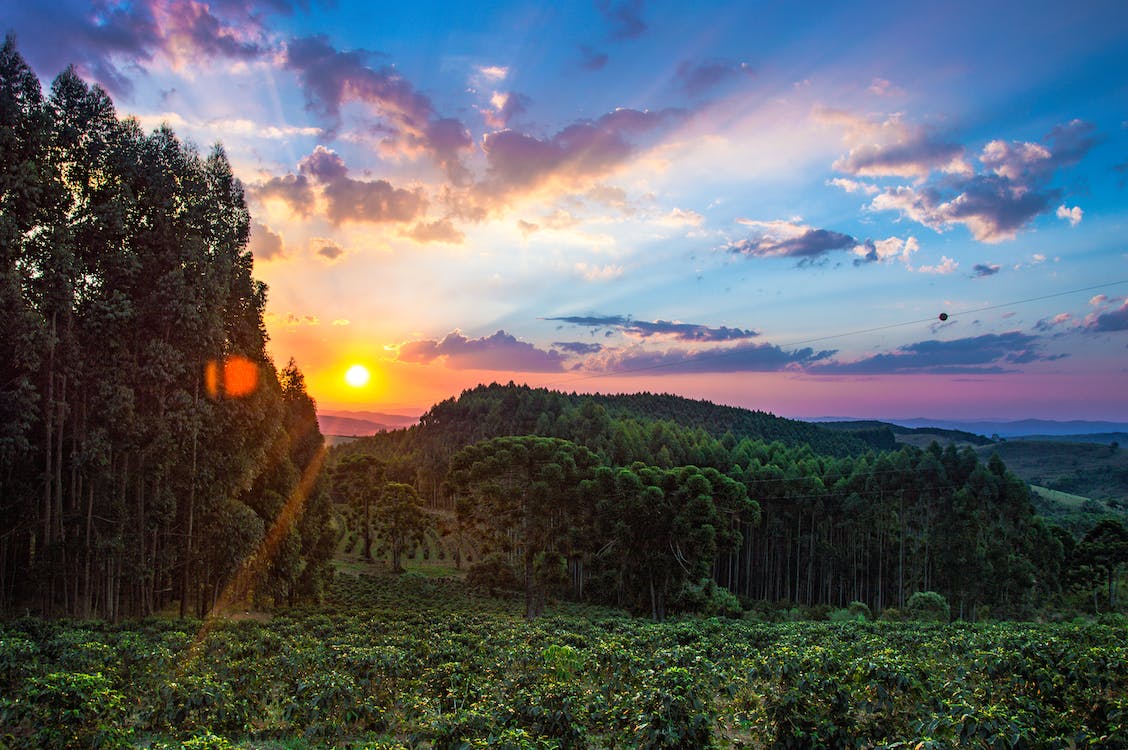
Here’s the short version: Brazil grows a lot of its coffee at lower altitudes than the famous high-grown origins, and it dries a huge share of it as natural-process (the cherry dries with the fruit still on the bean). Lower altitude means the cherries ripen faster and develop less of that bright, zippy acidity. Natural processing lets fruit sugars soak in. Put those two together and you get the signature Brazilian profile.
- Flavor: chocolate, hazelnut, peanut, sometimes a little caramel or red fruit.
- Acidity: low and mellow, not the lime-bright snap you get from an Ethiopian or Kenyan.
- Body: full and round, which is why it’s the backbone of so many espresso blends.
- Finish: smooth and clean, easy to drink black.
If you’ve ever found a fancy single-origin “too sour” or “too fruity” for your morning, Brazil is your people. It’s the comfort food of coffee. Want to go deeper on what drives those differences from origin to origin? We get into it in why coffee beans taste different.
A Quick History (Stick With Me, It Explains the Flavor)
Coffee arrived in Brazil in the 1720s and absolutely took over. By the 1800s the country was the world’s dominant producer, and it has never given up the crown. That scale matters to your cup: Brazil refined sun-drying and large-lot coffee production to such a degree that consistency became the whole brand. You’re not buying a one-off lucky harvest. You’re buying a flavor that shows up the same way, cup after cup, which is exactly what you want when you just need your coffee to be good before 7 a.m.
The Beans Behind the Flavor
Most of what you’ll buy is Arabica, grown largely in Minas Gerais, São Paulo, and Bahia at altitudes around 2,000 to 4,000 feet. That moderate altitude is your low-acidity, well-rounded finish, summed up. Brazil also grows a serious amount of Robusta (called Conilon there, mostly out of Espírito Santo and Rondônia) that adds punch and crema to espresso blends. Either way, the move that locks in flavor is freshness: buy whole bean, keep it sealed in one of the best coffee storage containers to fend off air and light, grind right before you brew, and you’ll taste the difference immediately. More on picking a bag you’ll actually love in selecting the perfect coffee beans.
Brazilian Coffees Worth Knowing by Name
- Brazil Santos: Named for the port it ships through, not a region. It’s the easygoing classic, smooth, mild, low-acid, the one to hand a skeptic who “doesn’t like coffee.”
- Yellow Bourbon: A yellow-cherry Arabica variety with more sweetness and a lighter, juicier body. If you want a Brazilian with a little extra personality, start here.
- Pulped Natural (a.k.a. honey process): The skin comes off but some sticky fruit mucilage stays on during drying, dialing up sweetness and a fruitier edge while keeping that Brazilian smoothness.
- Cerrado Mineiro: Brazil’s first protected origin (think of it like a wine appellation). Reliable chocolate-and-nut character with good consistency.
How to Brew Brazilian Coffee: The No-Fuss Method
Brazilian coffee is forgiving, but a few numbers turn “fine” into “oh, what’s IN this?” Here’s the whole thing, and yes, the ratio is the part you can’t skip.
- Use a real ratio. Aim for about 1:16 coffee to water by weight, roughly 1 gram of coffee per 16 grams of water. In practice that’s about 30 g of coffee (a heaped 4 tablespoons) to 480 ml (16 oz) of water. Like it stronger? Go 1:15. A good kitchen scale is the single biggest upgrade to your coffee, full stop, and one of our favorite coffee scales takes the guesswork out of hitting that ratio every single morning.
- Grind fresh, grind right. Coarse, like sea salt, for a French press. Medium, like table salt, for pour-over or drip. Grind right before brewing, not the night before.
- Mind the water temperature. Aim for 195 to 205°F (90 to 96°C). No thermometer? Boil it, then let it sit 30 to 45 seconds off the heat. Boiling water poured straight on coffee scorches it and turns smooth Brazilian into bitter Brazilian.
- Brew for the right time. French press: pour, stir once, steep 4 minutes, then press slowly. Pour-over: aim for a total brew time of 2.5 to 3.5 minutes. Drip machine: it handles timing for you, around 4 to 6 minutes.
- Taste and adjust. Too bitter or harsh? Grind coarser or pull back the temperature. Weak and watery? Add coffee or grind a touch finer. One change at a time, so you actually learn what did it.
Because Brazil leans mellow and chocolatey, it shines in a French press, which keeps the oils in and gives you that big, rounded body. It’s also a natural for espresso and moka pot, where its low acidity and heavy body carry milk beautifully. If your cup ever does run a little sharp, here’s how to reduce acidity for a smoother brew.
The Short List of Gear You Actually Need
You don’t need a countertop full of gadgets to make a great cup of coffee at home. You need four things:
- A burr grinder. Not a blade chopper, a burr grinder, so your grounds are an even size and extract evenly. This matters more than your brewer, and our pick of the best coffee grinders is the upgrade you’ll notice in every cup.
- A French press, pour-over, or drip maker. Any of them works. Match your grind to whichever you pick. If you want set-it-and-forget-it mornings, one of the best drip coffee makers handles Brazil’s mellow body beautifully.
- A kettle (gooseneck if you pour-over). Control over the pour and the temperature is half the battle.
- A digital scale. The unsung hero. It makes every cup repeatable, so your good cup isn’t a happy accident.
Curious what else is out there once you’re hooked? Browse our roundup of innovative brewing equipment, but honestly, the four above will carry you a long way.
Try It Like a Brazilian: The Cafezinho
Want to drink it the way Brazil does? Make a cafezinho, the tiny, sweet cup poured for guests all day long. Brew strong coffee, sweeten it (traditionally the sugar goes in with the water, not after), and serve it small and hot. It’s hospitality in a demitasse, and it tells you everything about how Brazil treats coffee: not as a fuel stop, but as a reason to sit down with someone.
Quick Takeaways
- Flavor profile: chocolate, nuts, low acidity, full body, smooth finish.
- Best ratio: 1:16 (about 30 g coffee to 480 ml water); go 1:15 for a bolder cup.
- Water temp: 195 to 205°F. Never pour boiling water straight onto the grounds.
- Best brewers: French press, espresso, and moka pot all love Brazil’s heavy body.
- Buy whole bean and grind fresh. It’s the cheapest upgrade you’ll ever make.
Brazilian Coffee FAQ
What makes Brazilian coffee unique?
Lower-altitude growing and a heavy reliance on natural (dry) processing give Brazilian coffee its low acidity, full body, and chocolate-nut flavor. Add the country’s massive scale and decades of refining sun-drying, and you get a cup that’s remarkably consistent batch after batch.
How does Brazil’s climate shape the coffee?
Warm temperatures, reliable rainfall, and a defined dry season are perfect for ripening cherries and then sun-drying them. That dry season is the secret behind so much natural-process Brazilian coffee, the cherries dry on patios under the sun, soaking fruit sugars into the bean.
What types of beans does Brazil grow?
Mostly two species. Arabica is the star, smoother, sweeter, and lower in caffeine, grown across Minas Gerais, São Paulo, and Bahia. Robusta (Conilon) is grown heavily in Espírito Santo and Rondônia; it’s bolder, higher in caffeine, and prized for espresso crema. (Liberica is a fun third species worldwide, but it’s barely grown in Brazil, despite what a lot of articles claim.)
Where should I buy authentic Brazilian coffee?
Look for a bag that names the origin (Cerrado Mineiro, Sul de Minas, Mogiana) or at least “Brazil,” lists a roast date, and is sold whole bean. A recent roast date matters far more than fancy packaging. For a deeper buyer’s checklist, see how to select the perfect coffee beans.
Which brewing method is best for Brazilian coffee?
There’s no single right answer, but Brazil’s body and low acidity make it a star in a moka pot, French press, and espresso. It also makes a smooth, sweet cold brew. Pick the method, then match your grind size to it.
Why do coffee lovers keep coming back to Brazil?
Because it’s versatile and almost impossible to dislike. Smooth enough to sip black, sturdy enough to anchor a milky latte, and forgiving enough that a slightly-off brew is still a good cup. It’s the dependable friend of the coffee world.
Bring Brazil Into Your Morning
Here’s the whole thing in one breath: buy fresh whole beans, grind them right before you brew, weigh your coffee, keep your water just off the boil, and pick a method that loves a full-bodied cup. Do that and you’ll get the smooth, chocolatey, low-acid magic that made Brazil the quiet giant behind so much of the world’s coffee. Hungry for the wider story? Keep wandering through our guide to coffee beans and our look at the top coffee-producing country.
Now go grind a fresh batch, pour yourself a cup, and maybe make a little extra for someone who’s had a long week. That’s the Brazilian way, and honestly, it’s the best part.