
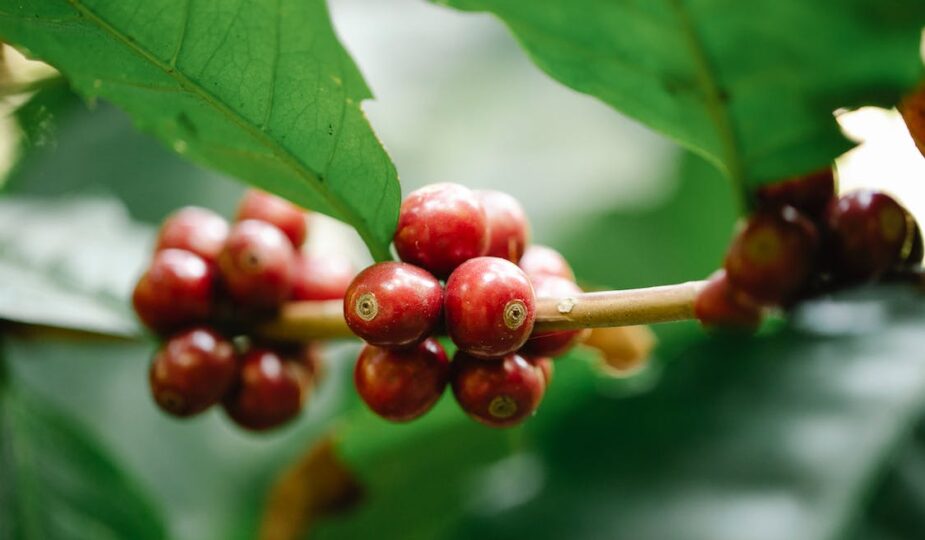
What Is a Coffee Cherry? The Birth of Coffee
Here is the thing nobody tells you over your morning cup: coffee is a fruit. A literal, grows-on-a-tree, bright-red fruit. That dark roasted bean you grind every morning started its life as a glossy little berry called a coffee cherry, and once you know what is actually inside one, you will never look at your bag of beans the same way again.
So let’s settle it. In this guide you will learn exactly what a coffee cherry is, the layers tucked inside it, how it gets picked and processed, what it tastes like, and why every step matters to the cup you are holding. No fluff, just the good stuff.
What Is a Coffee Cherry?
A coffee cherry is the fruit of the coffee plant, a tropical evergreen shrub in the genus Coffea. The two species you actually drink are Coffea arabica (the sweeter, more delicate one) and Coffea canephora, better known as Robusta (bolder, more caffeine, more bitterness). Each plant produces clusters of cherries roughly the size of a small grape, and inside almost every one sits the seed we call the coffee bean.
Here is the part that trips people up: there is no actual “bean” in the legume sense. We call it a bean because it looks like one. It is genuinely a seed, and a single cherry usually holds two of them, sitting flat side to flat side like a tiny pair of dominoes.
The Coffee Cherry: Nature’s Bounty
A coffee cherry grows on trees in the tropical belt that wraps around the equator: South America, Africa, and Asia, mostly between the Tropics of Cancer and Capricorn. Each cherry starts green, then ripens through yellow and orange into a deep red (a few varieties, like Bourbon Yellow, ripen to gold instead, and some go nearly purple).
The fruit itself is genuinely tasty. The thin layer of pulp around the seed is sweet, a little floral, and mildly tart, which is why the bean inside carries so much of its sugar-driven, fruit-forward coffee flavor. That seed is your daily dose of caffeine, wrapped in a surprising amount of engineering.
Inside a Coffee Cherry: The Layers, Outside In
Slice a cherry in half and you are not looking at “skin and bean.” You are looking at six distinct layers, each of which matters to how the coffee gets processed and how it tastes. From the outside in:
- Skin (exocarp): the glossy outer layer, red when ripe. It protects everything inside.
- Pulp (mesocarp): the sweet, juicy fruit flesh just under the skin. This is the sugary part processors either wash away or leave on to build flavor.
- Mucilage: a sticky, honey-like layer clinging to the seed. It is packed with sugars and is the single biggest lever a producer pulls during processing.
- Parchment (endocarp): a papery, protective husk that wraps each seed. Beans are stored “in parchment” until just before export.
- Silver skin (spermoderm): a thin membrane hugging the bean. Most of it flakes off during roasting as “chaff.”
- The bean (endosperm): the seed itself, the prize, the thing that becomes your espresso.
Want to see it in motion? This short clip walks through every one of those layers, and it is weirdly satisfying.
The Journey of a Coffee Cherry: From Tree to Bean
Understanding the journey of a coffee cherry will genuinely deepen your appreciation for the art and science behind coffee production. It is a long road from a flower on a branch to the bag in your pantry, and every stop along the way leaves a fingerprint on the flavor.
Harvesting: Timing Is Everything
When it comes to coffee, ripeness is the whole ballgame. A cherry picked too green tastes grassy and sharp; one picked overripe tastes flat and fermented in a bad way. Skilled farmers pick at peak ripeness, and there are two ways they do it:
- Selective (hand) picking: pickers walk the same tree multiple times over a season, plucking only the deep-red, perfectly ripe cherries. Labor-intensive, expensive, and the reason most specialty coffee tastes the way it does.
- Strip picking: the whole branch is stripped at once, ripe and unripe together, often by machine. Faster and cheaper, but it requires sorting later to pull out the duds.
And here is a number worth keeping: it takes roughly 2,000 hand-picked cherries, give or take, to make a single pound of roasted coffee. Tip your barista.
The Three Coffee Processing Methods
Once picked, cherries have to be processed fast, ideally within hours, before they spoil. Processing is how you separate the seed from the fruit, and the method chosen has an enormous effect on the final flavor. The three main methods are:
- Washed (wet) process: the skin and pulp are stripped off mechanically, then the beans ferment in water tanks for 12 to 72 hours to break down the sticky mucilage, after which they are rinsed clean and dried. The result is a crisp, clean, bright cup where the bean’s true origin character shines. This is the gold standard for showcasing acidity and clarity.
- Natural (dry) process: the whole cherry is dried in the sun on raised beds or patios, fruit and all, for two to six weeks before the dried fruit is hulled off. The seed soaks up sugars from the fruit the entire time, giving you a heavy-bodied, intensely fruity, sometimes wine-like cup. Berry-bomb energy.
- Honey (pulped natural) process: the skin comes off but some sticky mucilage stays on the bean as it dries. It is named for the tacky texture, not the flavor. The amount of mucilage left on (white, yellow, red, or black honey) dials the sweetness and body up or down. A delicious middle ground between washed clarity and natural fruitiness.
None of these is “better.” They are choices, and they are a huge part of why two coffees from the same farm can taste like completely different drinks.
From Cherry to Green Coffee Beans
After processing and drying, the beans rest in their parchment until they are hulled, sorted, and graded by size, density, and defect count. What comes out the other end is the familiar green coffee beans that get bagged and shipped around the world. Green, dense, and grassy-smelling, they look nothing like what you brew, because the magic happens next.
Roasting is where those locked-up sugars and acids transform. Heat triggers the Maillard reaction and caramelization, and the green seed turns into the aromatic brown coffee beans you love. From light to dark, each roast level pulls a different taste profile out of the same bean: lighter roasts keep more origin fruit and acidity, darker roasts trade that for bold, bittersweet, roasty depth. If your cup keeps coming out harsh, the roast and your brew are usually the culprits, and our guide to why coffee turns bitter walks you through the fixes.
Common Mistakes People Make About Coffee Cherries
Let’s clear up a few things I hear all the time:
- “The bean is the whole thing inside.” Nope. It is one of six layers, and several of those layers shape the flavor before the seed is ever exposed.
- “Coffee cherries are related to the cherries in pie.” Not even close. They just share a shape and a name. Different plant, different family entirely.
- “Every cherry has two beans.” Usually, yes, but around 5 percent of the time a cherry develops a single round seed called a peaberry, which some roasters prize and sell separately.
- “The fruit gets thrown away.” Increasingly, no. The dried skins are brewed into a tea-like drink called cascara, so the whole fruit finally gets its moment.
Brew and Enjoy
Now that you know the journey a coffee cherry takes, put that appreciation to work in the cup. Brew it however you love it: a slow pour-over to spotlight a washed Ethiopian’s florals, or something espresso-based when you want richness and crema.
Want to actually taste those processing differences for yourself? Try a side-by-side using the coffee cupping method, the same approach pros use to judge a bean. Brew a washed and a natural from the same origin, slurp them back to back, and the fruit-vs-clarity contrast will smack you right in the palate. That is the whole story of the cherry, landing on your tongue.
Frequently Asked Questions about Coffee Cherries
1. What is a coffee cherry?
A coffee cherry is the fruit produced by the coffee plant (Coffea). It is a small, round berry, usually about the size of a small grape, and it holds the seeds we roast and call coffee beans. Inside its red skin are six layers, including pulp, sticky mucilage, parchment, and the bean itself.
2. How is coffee harvested from coffee cherries?
Ripe cherries are picked either by selective hand-picking (one ripe cherry at a time, for the highest quality) or by strip picking (the whole branch at once, often by machine). They are then processed quickly to remove the skin and pulp, revealing the coffee beans inside.
3. What do coffee cherries taste like?
The fruit is sweet and mildly tart, with notes that can lean toward strawberry, cherry, or citrus depending on the variety and origin. The flavor is concentrated in the pulp and mucilage, which is exactly why the natural process, where the fruit dries on the bean, produces such intensely fruity coffee.
4. Can coffee cherries be eaten or brewed?
Yes. The fresh fruit is edible, and the dried skins are brewed into cascara, a tea-like drink with sweet, fruity notes. The fruit also turns up in specialty coffee drinks and culinary experiments.
5. Where are coffee cherries grown?
In the tropical belt near the equator, the so-called Bean Belt. The biggest producers include Brazil, Colombia, Ethiopia, and Vietnam, with altitude, climate, and soil all shaping the final flavor.
6. Are all coffee cherries red?
Most ripen to bright red, passing through green, yellow, and orange first. But some varieties ripen to yellow or gold (like Bourbon Yellow), and a few go deep purple. Color is the picker’s main signal for ripeness.
7. How many coffee beans are inside a coffee cherry?
Usually two flat-sided coffee beans per cherry. About 5 percent of the time only one rounded seed develops, called a peaberry, which some roasters sort out and sell on its own.
8. Do coffee cherries have caffeine?
Yes. The caffeine lives mainly in the seeds (the beans), though trace amounts are present in the fruit, which is why cascara has a mild caffeine kick of its own.
The Bottom Line
That dark, fragrant bean in your grinder is the seed of a fruit, and a beautifully layered one at that. Six layers, careful picking, a processing method chosen on purpose, and a roast dialed to taste, every single step leaves its mark on what ends up in your cup.
So tomorrow morning, take one extra second before that first sip. You are not just drinking coffee. You are drinking the whole journey of a cherry that traveled across the world to get to you. Pour a good one, and go share a cup with somebody you love.
Got a coffee story or a favorite single-origin you swear by? Leave a comment and let’s keep the conversation going.