Coffee and Food Pairing: How to Enhance Your Coffee’s Flavor
On this page
Here’s a little secret most people never bother to learn: the cup in your hand and the plate in front of you are supposed to be friends. Get the match right and your coffee tastes brighter, sweeter, and more alive. Get it wrong and even a beautiful pour-over turns flat and sour. This is your no-nonsense guide to food pairing with coffee, packed with real ratios, real temperatures, and the kind of practical advice you’ll actually use tomorrow morning. We’ll walk meal by meal, from sleepy breakfast to indulgent dessert, and by the end you’ll be matching different coffee flavors to food like you’ve been doing it for years.
Why Coffee and Food Pairing Works
Coffee isn’t just a beverage you gulp on the way out the door. It’s a wildly complex drink carrying hundreds of aromatic compounds: fruity acids, chocolatey bitterness, nutty sweetness, smoky depth. Food carries those same building blocks. When you put them side by side, the flavors either argue or they sing. Good food pairing is simply the practice of helping them sing.
The whole game comes down to two moves: complement or contrast. Complementing means you echo a flavor that already lives in the cup, like a chocolatey dark roast next to a fudgy brownie. Contrasting means you set up a deliberate opposition, like a bright citrusy coffee cutting through a rich, buttery croissant. Both work. Neither is “correct.” Once you understand the two levers, you stop guessing and start designing your own coffee and food combinations on purpose.
One fun bit of history to keep in your back pocket: coffee was originally eaten, not sipped. In parts of East Africa, beans were ground and mixed with fat into dense, energy-rich balls that travelers carried like early protein bars. The roasted, brewed drink we obsess over today came much later. So if anyone tells you coffee and food don’t belong together, remind them that coffee literally started its life as food.
Know Your Coffee Before You Pair Anything
You can’t pair a flavor you can’t name. Before you start matching plates, spend a week actually tasting your coffee. Brew the same beans three days in a row and ask yourself a few simple questions. Is it bright and tart like green apple, or round and mellow like toasted bread? Does the finish taste like cocoa, caramel, citrus, or smoke? Is the body thin and tea-like, or thick and syrupy?
Roast level is your fastest shortcut here. If you’re fuzzy on how roast changes the cup, read our breakdown of the difference between coffee roast levels, then taste with it in mind. As a rough map:
- Light roast: high acidity, fruity and floral, lighter body. Thinks it’s a white wine.
- Medium roast: balanced, caramel sweetness, nutty, easygoing. The diplomat of the bunch.
- Dark roast: low acidity, bold, chocolatey, smoky, heavy body. The one that pairs with steak. Our dark roast coffee guide goes deep on this end of the spectrum.
Beans also taste different because of where and how they grew, and a hundred choices made before they reached you. If you’ve ever wondered why two bags labeled the same can taste like different planets, our piece on flavor profiles explains it without the snobbery. Want to go even further down the rabbit hole? Start coffee tasting different origins side by side and your palate will sharpen fast.
Pairings for Every Meal of the Day
Here’s where the fun starts. We’ll go meal by meal so you always have a starting point, no matter what time the craving hits.
Breakfast Pairings
Morning coffee should wake you up without overpowering whatever’s on your plate. If you’re drinking a light, fruity coffee, lean into it: fresh berries, a citrus-glazed pastry, or a lemon scone will echo those bright acids beautifully. The tartness in the cup and the tartness on the fork shake hands.
Prefer a bold dark roast first thing? Give it something it can wrestle with. Eggs, bacon, and buttered toast hold their own against heavy, smoky coffee, and the savory fat softens any roasty bitterness. A medium roast with caramel notes is the friendliest match for sweeter mornings: pancakes, maple syrup, cinnamon rolls, anything in that warm, comforting lane. Pro move: keep your brew ratio honest at around 1:16 (about 1 gram of coffee to 16 grams of water) so a sweet breakfast doesn’t make a weak cup taste sour.
Lunch Pairings
Lunch is about not letting your coffee bulldoze your food. A crisp green salad with vinaigrette wants a light, clean coffee that stays out of the way; pour something delicate and let the greens lead. A loaded sandwich or a juicy burger, on the other hand, can handle a medium-bodied coffee that stands up to the meat and cheese without flattening them.
If lunch is spicy, this is where coffee earns its keep. A bold, smoky cup tames chili heat the way a cold drink can’t, because the roasty bitterness rounds off the burn while the warmth keeps the flavors open. Just don’t go scalding: let hot coffee settle to around 140 to 150 degrees Fahrenheit before drinking so you can actually taste the pairing instead of just feeling the heat.
Dinner Pairings
Yes, coffee belongs at dinner. A medium or dark roast coffee next to grilled steak or roasted vegetables is a genuinely great combination: the char on the food and the roast in the cup are speaking the same language. For richer braised dishes, lean dark and full-bodied so the coffee doesn’t disappear under the sauce.
Spicy dinners follow the same rule as spicy lunches: bold and smoky to balance the heat. And if you’re serving something delicate, like a flaky white fish, skip the heavy roast entirely and reach for a lighter coffee so you don’t stomp all over the food. The intensity of the cup should roughly match the intensity of the plate; that single idea solves about 80% of pairing mistakes.
Dessert Pairings
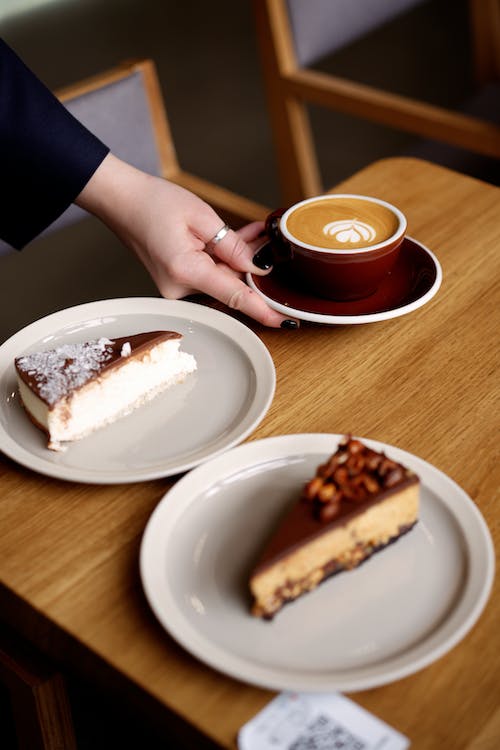
Dessert is coffee’s home turf. Rich, indulgent sweets like chocolate cake, flourless torte, or tiramisu beg for a dark, full-bodied coffee. The bitter edge of the coffee cuts the sugar so the dessert tastes less cloying and more grown-up, while the dessert’s sweetness softens the coffee’s bitterness in return. It’s a perfect trade.
Lighter desserts want a lighter touch. Fruit tarts, custards, panna cotta, and cheesecake pair best with a milder coffee that won’t trample their subtlety. And if you like a little sweetness right in the cup, a flavored syrup can bridge dessert and drink elegantly; our guide to coffee syrup shows you how to use it without turning your coffee into a milkshake.
A Step-by-Step Pairing Method You Can Repeat
Rules are nice, but a repeatable process is better. Here’s the exact sequence to follow whenever you want to build a pairing from scratch.
1. Understand Your Coffee’s Flavor Profile
Start by tasting deliberately. Brew light, medium, and dark side by side and write down what you notice. Read the tasting notes from the coffee roaster on the bag, then try to find those notes yourself; the slip-cup method works great. The clearer your read on the coffee, the easier every other step becomes.
2. Consider Intensity and Body
Match heavy with heavy and light with light. A bold, syrupy coffee belongs next to rich, savory food like grilled steak or dark chocolate. A delicate, fruity coffee belongs next to citrus salads, light pastries, and anything floral. When the weights are mismatched, the bigger flavor wins and the smaller one vanishes.
3. Complement or Contrast
Decide which lever you’re pulling. To complement, pick a food that shares a note with the coffee: a nutty coffee with almond cake, a fruity coffee with a blueberry muffin. To contrast, set up a clash that resolves nicely: a chocolatey coffee with a tangy lemon tart, or a smoky roast against something sweet. Try both with the same coffee and you’ll feel the difference immediately.
4. Consider Regional Pairings
Borrow from cultures that already nailed this. A strong Turkish-style coffee with sweet, nutty baklava is a centuries-old win. Italian tradition pairs a tight, intense espresso with crunchy biscotti for dunking, or with creamy tiramisu. These pairings survived generations because they genuinely work; treat them as cheat codes.
5. Experiment and Personalize
Guidelines are a starting line, not a finish line. Take your favorite coffee flavors and throw unexpected foods at them. Your palate is the only judge that matters, so chase what tastes good to you, not what a chart says should.
6. Share and Learn from Others
Half the joy is comparing notes. Hit local coffee tastings, join an online forum, or just badger your most coffee-obsessed friend. Post your wins with tags like #CoffeePairing and #FlavorfulMoments and you’ll pick up ideas you’d never have found alone.
7. Continuously Refine Your Pairings
Keep a pairing journal, paper or app, your choice. Note the coffee, the food, the ratio, and a one-line verdict. Over a month you’ll have a personal cheat sheet that’s worth more than any expert’s list, because it’s tuned to your taste.
8. Explore New Culinary Experiences
Don’t get stuck in the same three pairings forever. Visit specialty cafes, order the weird thing on the menu, and say yes to combinations that sound a little strange. Coffee and food pairing rewards curiosity more than caution.
Common Mistakes That Wreck a Good Pairing
Even great beans can be sabotaged. Watch out for these:
- Serving coffee too hot. Lava-temperature coffee numbs your tongue and hides the very flavors you’re trying to pair. Let it drop to roughly 140 to 150 degrees Fahrenheit first.
- Brewing too weak. A thin, under-dosed cup can’t stand next to food. If your coffee tastes washed out, it’s probably the ratio; our guide on why coffee tastes watery walks through the fixes.
- Ignoring the brew method. The same beans taste different as French press versus pour-over versus espresso. French press is heavy and oily; espresso is concentrated and intense; pour-over is clean and bright. Pick the method that suits the pairing, and if you’re stuck without gear, here’s how to make coffee without a coffee maker.
- Mismatched intensity. A delicate coffee next to a five-alarm curry is a waste of good beans. Balance the weights.
- Wrong grind for the wrong food moment. Dialing strength up or down is a flavor tool too; see how to adjust coffee strength to suit what’s on the plate.
A Quick Cheat Sheet
Tape this to your cupboard:
- Light, fruity roast → berries, citrus pastries, fruit tarts, fresh salads.
- Medium, caramel roast → pancakes, nutty cakes, sandwiches, roasted veg.
- Dark, chocolatey roast → steak, bacon, chocolate cake, tiramisu, spicy food.
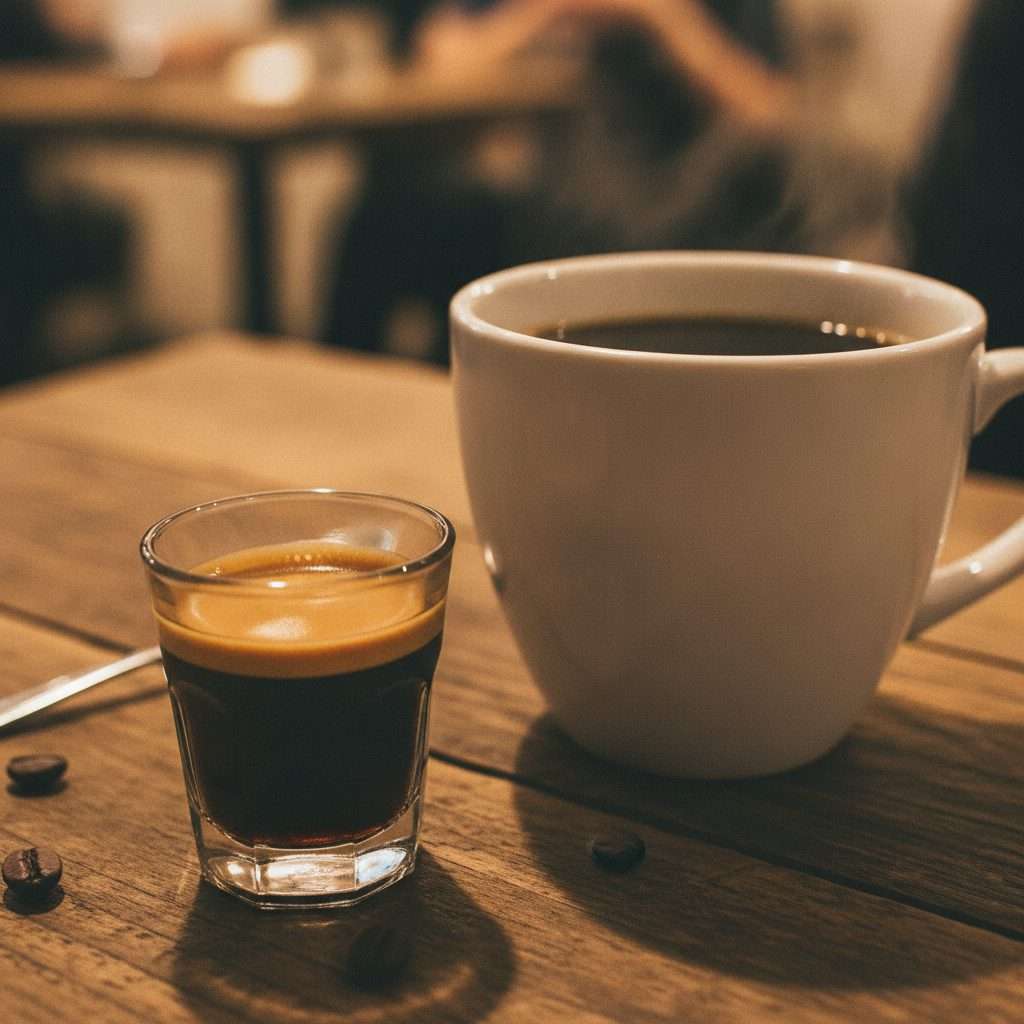
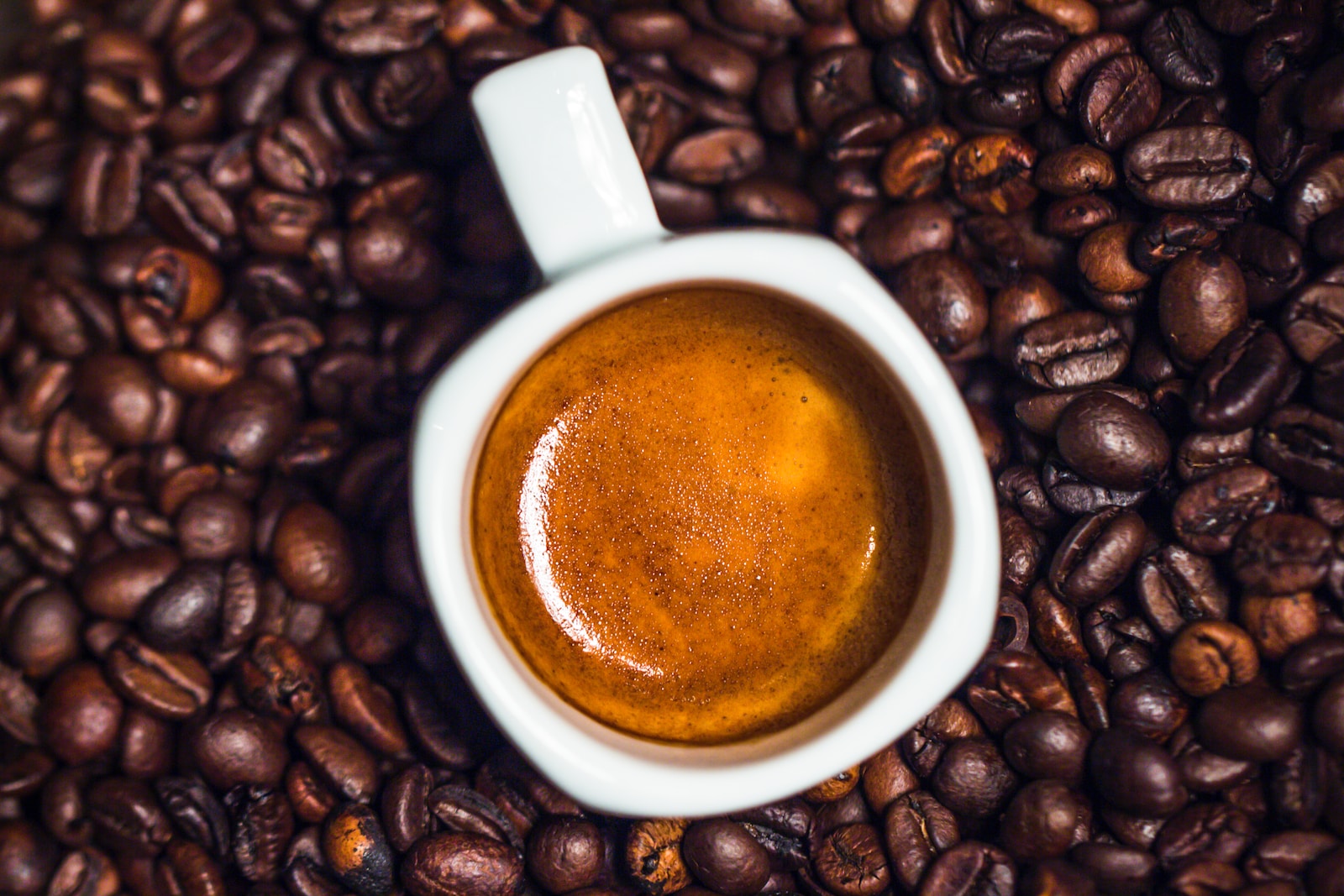
- Espresso → biscotti, dark chocolate, tiramisu.
- Smoky, full-bodied roast → grilled and charred dishes, spicy cuisine.
Frequently Asked Questions
What coffee goes best with chocolate?
Reach for a dark, full-bodied roast. Chocolate and dark roast share cocoa and roasty notes, so they complement each other, while the coffee’s bitterness keeps the sweetness from feeling heavy. For milk chocolate, a medium roast with caramel notes is lovely; for dark chocolate, go bolder. A shot of espresso is the classic move.
Should coffee complement or contrast the food?
Both work, and that’s the fun of it. Complementing echoes a shared flavor (chocolatey coffee with a brownie) for harmony. Contrasting sets up a deliberate opposition (bright coffee against a buttery pastry) for excitement. Try the same coffee both ways and pick the experience you prefer.
What temperature should coffee be when pairing with food?
Slightly cooler than you might think. Coffee’s flavors open up as it drops from brewing temperature toward roughly 140 to 150 degrees Fahrenheit. Sipping it too hot mutes the very notes you’re trying to match with food, so give it a minute before your first taste.
Does the brewing method change the pairing?
Absolutely. French press is heavy and rich, espresso is concentrated and intense, and pour-over is clean and bright, so each one pairs differently even with identical beans. Match the method to the food: French press for hearty plates, pour-over for delicate ones, espresso for dessert. No machine? You can still brew without a coffee maker.
How do I start learning to pair if I’m a total beginner?
Start by simply tasting your coffee with intention and naming what you find; our notes on why beans taste different give you the vocabulary. Then match intensity (light with light, bold with bold), keep a quick journal, and adjust. Within a couple of weeks you’ll have your own reliable pairings.
Wrap Up
Pairing coffee with food turns an ordinary cup into something you actually look forward to. Read the flavor profiles of both sides, match their intensity, decide whether you’re complementing or contrasting, and adjust until it tastes right to you. There are no rigid rules here, only better and worse matches, and the only way to find your favorites is to keep tasting.
For more ways to get more out of every cup, dig into the rest of our library:
- Ten Coffees
- What is the Difference Between Light, Medium, and Dark Roast Coffee?
- Why Does My Coffee Taste Watery? Fixes Inside
- How to Make Coffee Without a Coffee Maker: Alternative Brewing Methods
- How to Use Coffee Syrup: A Handy Guide
- How to Adjust Coffee Strength for the Perfect Flavor
- The Ultimate Guide to Making Espresso at Home
Now go put a plate next to your cup and find out what they have to say to each other. Happy pairing.