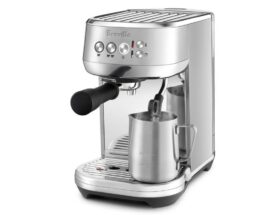

How to Steam Milk for Silky Microfoam at Home
You know that moment at the cafe when the barista tilts the pitcher and a glossy ribbon of milk pours into your cup like liquid satin? That’s microfoam, and it has zero business being as intimidating as it feels. The truth is, most people steaming milk at home aren’t doing anything wrong on purpose. They’re just chasing bubbles when they should be chasing paint. Stick with me, and by the end of this you’ll know exactly how to turn cold milk into the kind of velvety texture that makes a flat white worth getting out of bed for.
Here’s what you’ll walk away with: the right milk and temperature, the actual mechanics of stretching versus texturing, the swirl that fixes almost everything, and a few honest workarounds if you don’t own an espresso machine. No fluff, no mystery.
What Microfoam Actually Is (And Why It’s Not Bubbles)
Microfoam is milk that’s been aerated so finely the bubbles are practically invisible. We’re talking foam with a tight, paint-like sheen rather than the dry, soapy froth you get when you nuke milk and whisk it. Think wet paint, not bubble bath. When microfoam is done right, the milk and the foam are one continuous, glossy fluid that pours and swirls together.
That texture is what carries latte art, and it’s also what makes a cappuccino taste sweet and rounded instead of thin and squeaky. If you can see distinct bubbles, you’ve got froth, not microfoam. The goal is a surface so smooth you could write your name in it.

Start With Cold, Fresh Milk
Cold milk is non-negotiable. Pull it straight from the fridge, ideally around 38-40°F. Cold milk gives you a longer window to work before it overheats, which matters more than you’d think when you’re learning. Warm milk hits its limit almost instantly and goes from “promising” to “ruined” in seconds.
A few ground rules:
- Use fresh milk, not milk that’s been sitting open for a week. Older milk foams unpredictably.
- Fill your pitcher to just below the bottom of the spout, or roughly a third to halfway full. Milk expands as it foams, and you need room for it to grow.
- Chill your pitcher too, if you can. A cold stainless steel pitcher buys you a little extra time.
Purge the Wand Before and After (Every Single Time)
Before the wand goes anywhere near your milk, purge it. Point it into the drip tray and let it blast for a second or two. This clears out any condensed water sitting in the wand so you’re not watering down your milk. Skipping this is a classic rookie move that leaves you wondering why your foam is thin.
Just as important: wipe and purge the wand the second you finish steaming. Milk bakes onto a hot wand fast, and dried milk is both a hygiene problem and a clog waiting to happen. Wipe with a damp cloth, then give it a quick purge to clear the tip.
The Two Phases: Stretch, Then Texture
This is the whole game. Steaming milk happens in two distinct phases, and knowing where one ends and the other begins is the difference between silky and sad.
Phase 1: Stretching (Adding Air)
Stretching is where you introduce air. Position the steam wand tip just below the surface of the milk. Turn the steam on full, then lower the pitcher slightly until you hear a gentle, rhythmic “tss… tss… tss” hissing or paper-tearing sound. That sound is air being folded in.
Keep this phase short. For most milk drinks you only stretch for the first few seconds, until the milk has grown by about 20-30% in volume. You’ll feel the pitcher get noticeably fuller. The colder the milk, the longer your stretching window. Once the milk warms past lukewarm, stop adding air no matter what, because air won’t incorporate smoothly into hot milk.
Phase 2: Texturing (Creating the Whirlpool)
Now submerge the wand tip a little deeper, just under the surface and off to the side of the pitcher. This angle creates a whirlpool that spins the milk and breaks up any larger bubbles, folding the foam into the body of the milk. The hissing should quiet into a smooth, low whoosh.
Let that whirlpool spin until the milk hits temperature. This is the phase that turns separate layers of foam and liquid into one unified, glossy texture.
Nail the Temperature: 140-150°F
The sweet spot for steamed milk is 140-150°F (about 60-65°C). In that range, the milk’s natural sugars taste their sweetest and the texture stays smooth. Push past 160°F and you start scalding the milk, which brings out a flat, eggy taste and collapses your foam.
No thermometer? Use your hand. Hold your palm flat against the side of the pitcher as it heats. The instant it becomes too hot to keep your hand there comfortably, you’re right around 150°F. Cut the steam there. A clip-on thermometer or a quick-read probe makes this foolproof while you’re learning, and it’s the same instinct you build for dialing in the rest of your espresso setup at home.
Swirl and Tap: The Finishing Move
Don’t skip this part. The moment you turn off the steam, your milk needs a little grooming before it sets.
- Give the pitcher one or two firm taps on the counter to pop any larger surface bubbles.
- Swirl the milk continuously in the pitcher, like you’re swirling a glass of wine. This keeps the foam and liquid integrated and brings the surface to a wet, shiny gloss.
- Pour within 5-10 seconds. Steamed milk separates fast, so swirl right up until the moment it leaves the pitcher.
If your milk looks dull and stiff, you over-aerated. If it looks watery with no body, you didn’t add enough air. The swirl can rescue a lot, but the fix lives in the stretching phase.
Step-by-Step: Steaming Milk From Start to Finish
- Pour cold milk into a chilled pitcher, filling it about a third of the way.
- Purge the steam wand into the drip tray.
- Submerge the wand tip just below the surface and turn steam on full.
- Stretch: keep that tip near the surface, listening for the gentle tearing sound, until the milk grows by 20-30% (only in the cold/lukewarm stage).
- Texture: angle the wand to create a whirlpool and let it spin until the pitcher is too hot to hold (140-150°F).
- Turn off the steam, then wipe and purge the wand.
- Tap the pitcher, swirl the milk to a glossy shine, and pour immediately.
Which Milk Steams Best?
Your milk choice changes everything, because fat and protein are what build and stabilize foam.
- Whole milk: the gold standard. The fat gives you rich, stable, forgiving microfoam. Start here.
- Skim or low-fat: foams up big and airy but dry and less velvety. Easier to over-aerate.
- Oat milk: the best dairy-free performer by a mile. Look for a “barista” edition, which is formulated to steam smoothly and stay creamy.
- Soy milk: steams well with a barista version, though it can curdle if it gets too hot or meets very acidic coffee.
- Almond milk: trickier and thinner. A barista blend helps, but expect a looser foam.
Whatever you pour into your cup, the coffee underneath still does half the work, so dialing in a good shot with quality, freshly ground beans matters just as much as the milk on top.
No Espresso Machine? No Problem
You can absolutely get close to microfoam without a steam wand. It won’t be identical, but it’ll get you a respectable cappuccino at home.
- Handheld electric frother: cheap, fast, and surprisingly good. Heat your milk to around 150°F first, then froth at an angle to build a whirlpool.
- French press: add warm milk, then pump the plunger up and down vigorously for 30-60 seconds. Your French press moonlights as a milk frother beautifully.
- Jar method: pour warm milk into a sealable jar (no more than half full), screw the lid on tight, and shake hard for 30-60 seconds.
For the full rundown on these techniques, including which gives the tightest foam, check out our guide on how to froth milk without a frother.
Common Mistakes to Avoid
- Adding air for too long: stretch only in the first few seconds. Past lukewarm, you’re making bubbles, not microfoam.
- Overheating: anything over 160°F scalds the milk and kills the sweetness.
- Skipping the swirl: un-swirled milk separates into a foam cap floating on hot liquid.
- Burying the wand too deep: that’s why you get a loud, gurgling mess instead of a quiet whirlpool.
- Letting milk sit: pour within seconds, every time.
Frequently Asked Questions
What temperature should steamed milk be?
Aim for 140-150°F (60-65°C). That’s where milk tastes its sweetest and keeps a smooth texture. Above 160°F it scalds, turning flat and eggy. If you don’t have a thermometer, stop when the pitcher becomes too hot to hold comfortably.
Why is my milk full of big bubbles instead of microfoam?
You’re adding air for too long or keeping the wand too high above the surface. Stretch only briefly at the start while the milk is still cold, then submerge the wand to create a whirlpool that breaks up the bubbles. A firm tap and a good swirl at the end will smooth out the rest.
What’s the best milk for microfoam?
Whole milk is the most forgiving thanks to its fat content, which makes stable, velvety foam. For dairy-free, a barista-edition oat milk performs best, with barista soy as a close second.
Can I make microfoam without an espresso machine?
Yes. Heat your milk to about 150°F, then use a handheld electric frother, a French press plunged repeatedly, or a sealed jar shaken hard for 30-60 seconds. None match a steam wand exactly, but they get you close.
Why does my milk separate after steaming?
Foam and liquid drift apart within seconds if you let the pitcher sit. Keep swirling continuously after you cut the steam, and pour within 5-10 seconds while the texture is still unified and glossy.
Summary
Silky microfoam comes down to a handful of habits: cold milk, a quick purge, a short stretch, a patient whirlpool, the right temperature, and a swirl that never quits. Get those rhythms down and the rest becomes muscle memory. Your first few pitchers might look more “abstract art” than latte rosetta, and that’s exactly how everyone starts. Keep going, keep tasting, and before long you’ll be the one pouring liquid satin into your cup at home, no cafe required. Now warm up that pitcher and treat yourself.